USDAOfficial guidance
USDA FoodKeeper – Cold Storage Guidelines
Official refrigerator, freezer, and pantry timelines maintained by the U.S. Department of Agriculture.
Visit USDA FoodKeeperLast reviewed: January 2026
Reviewed by the Can I Eat Expired Editorial Team using official USDA, FDA, and CDC food safety guidance. How we assess food safety risk
Storage conditions, initial freshness, and proper handling change the answer — and those details are easy to miss.
Get a yes / no answer for your nut bread ly baked →
Check Your Exact SituationMay be safe if properly stored and showing no spoilage signs. Check carefully before consuming.
Pantry
Room temperature, 68°F (20°C)
Store in a paper bag to maintain freshness
Baking ingredients like flour and sugar stay fresher when protected from moisture and pests. airtight storage containers (Amazon) help prevent clumping, spoilage, and pest contamination.
5 days
Mold growth, sour smell, hard texture
Make breadcrumbs, croutons, bread pudding
Other types of bread
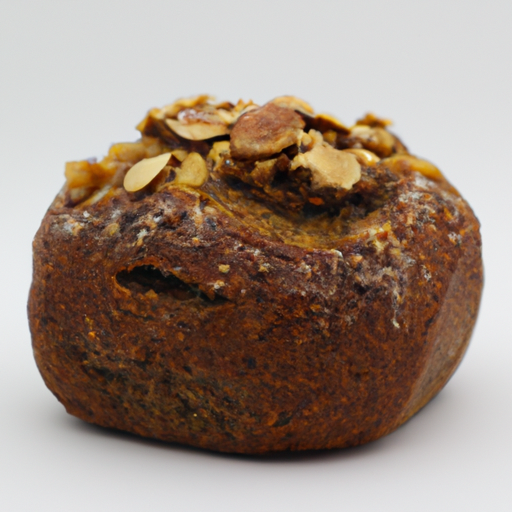
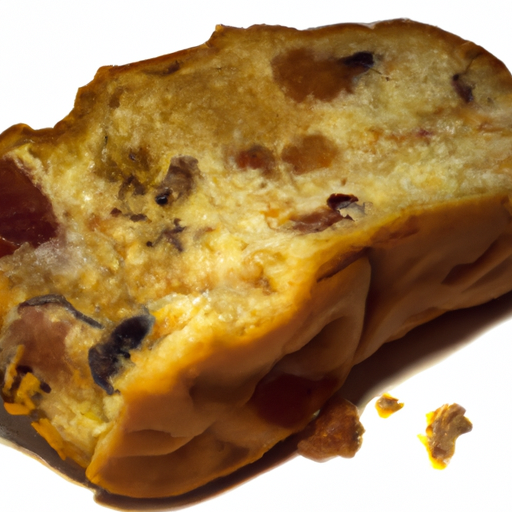
The expiration date on nut bread freshly baked typically indicates the point after which the bread may become stale, dry, or start to mold. However, the best quality of nut bread is usually within the first 2-3 days of baking when it is at its freshest, moistest, and has the best texture and flavor. While it may still be safe to eat after the expiration date, the quality may have significantly declined.
To check if freshly baked nut bread has gone bad, look for any visible mold, a sour or off smell, or a change in texture (such as becoming overly dry or sticky). If the bread appears discolored, smells musty, or feels slimy, it is best to discard it to avoid any potential foodborne illness.
Nut bread, like any baked goods containing nuts, can pose a risk for individuals with nut allergies. Cross-contamination with other nuts or allergens during baking or handling can also be a concern. It is important to clearly label nut bread to alert those with allergies, and to follow strict sanitation practices to prevent cross-contact.
To keep nut bread freshly baked at its best quality, store it in a cool, dry place in an airtight container or wrapped tightly in plastic wrap. Avoid storing nut bread in the refrigerator as it can cause it to dry out faster. If you need to store it for longer periods, consider freezing slices of nut bread in airtight bags, and then thaw them as needed. Reheat the slices in an oven or toaster to revive the texture and flavor.
Nut bread has a long history in various cultures around the world. In many European countries, nut bread is a traditional holiday treat, especially during Christmas. In some cultures, nut bread is considered a symbol of prosperity and good luck. The addition of nuts to bread not only enhances the flavor but also adds a nutritional boost with healthy fats, proteins, and micronutrients.
Nut Bread Freshly Baked should not be consumed if left at room temperature for more than 5 days in total. If it has been at room temperature for 2 days, it's best to discard it to prevent potential foodborne illness.
Freezing Nut Bread Freshly Baked is not recommended, as it can alter the texture and moisture content significantly. Once thawed, the bread may become soggy or dry, impacting its overall quality and taste.
While the basic shelf life of Nut Bread Freshly Baked is around 5 days, specific brands may vary slightly in terms of preservatives or baking methods. It's advisable to refer to the expiration date on the packaging for the most accurate information regarding shelf life.
Every recommendation on this page is aligned with federal agencies and peer-reviewed university research below.
Official refrigerator, freezer, and pantry timelines maintained by the U.S. Department of Agriculture.
Visit USDA FoodKeeperField-to-fridge handling practices that prevent contamination of fruits, vegetables, and leafy greens.
Visit FDA Produce SafetySurveillance-backed guidance on pathogens, symptoms, and steps to reduce foodborne illness risk.
Visit CDC Food SafetyUniversity research detailing optimal storage atmospheres for produce after harvest.
Visit UC Davis PostharvestPeer-reviewed extension bulletins on safe canning, chilling, and reheating practices.
Visit Penn State ExtensionStorage: Pantry
View guide →
Storage: Cool Dark Place
View guide →
Storage: Fridge
View guide →
Storage: Pantry
View guide →
Storage: Pantry
View guide →
Storage: Pantry
View guide →
Storage: Pantry
View guide →
Storage: Pantry
View guide →
Storage: Pantry
View guide →
Important: These are general guidelines based on authoritative sources listed above. Always use your best judgment and when in doubt, throw it out.
Disclosure: As an Amazon Associate, we earn from qualifying purchases. This helps support our site and allows us to continue providing free food safety information.