The Shelf Life of Uncooked Rice: Everything You Need to Know
The Shelf Life of Uncooked Rice: Everything You Need to Know
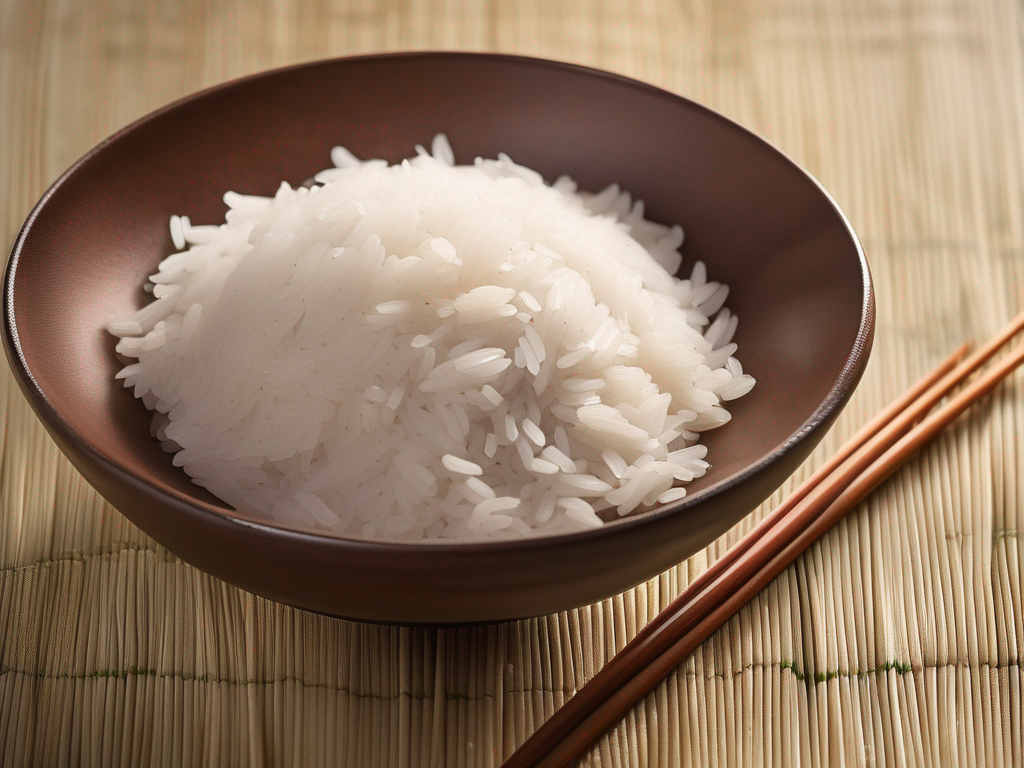
When it comes to pantry staples, rice is a versatile and essential ingredient in many cuisines around the world. Whether you prefer long-grain, short-grain, brown, or white rice, it's important to understand how to store and handle uncooked rice to ensure its freshness and safety. In this comprehensive guide, we will explore the shelf life of uncooked rice and provide you with practical tips for storage and handling. (Rice)
Understanding the Shelf Life of Uncooked Rice
Uncooked rice is known for its long shelf life if stored properly. The shelf life of uncooked rice can vary depending on the type of rice and how it is stored. Here are some general guidelines:
Factors Affecting the Shelf Life of Uncooked Rice
Several factors can impact the shelf life of uncooked rice, including:
Dry foods stay fresher when protected from moisture, pests, and air exposure. Using airtight pantry containers (Amazon) helps maintain quality and extend shelf life for pantry staples.
- Type of Rice: Different types of rice, such as white rice, brown rice, wild rice, and jasmine rice, have varying shelf lives.
- Packaging: The packaging of the rice can affect its shelf life. Rice stored in airtight containers or vacuum-sealed bags tends to last longer.
- Storage Conditions: Proper storage is crucial for maintaining the freshness of uncooked rice. Factors like temperature, humidity, and exposure to light can all impact the shelf life.
How Long Does Uncooked Rice Last?
The shelf life of uncooked rice can vary depending on the type of rice and storage conditions. Here is a general guideline for the shelf life of different types of uncooked rice:
White Rice
- Unopened: White rice can last indefinitely when stored in a cool, dry place away from sunlight.
- Opened: Once opened, white rice can last for 4-5 years if stored properly.
Brown Rice
- Unopened: Brown rice has a shorter shelf life than white rice due to its higher oil content. It can last for 6-8 months in regular storage conditions.
- Opened: Once opened, brown rice should be used within 3-6 months for the best quality.
Wild Rice
- Unopened: Wild rice can last for up to 1 year in a cool, dry pantry.
- Opened: Once opened, wild rice should be used within 6 months.
Jasmine Rice
- Unopened: Jasmine rice can last for 1-2 years in proper storage conditions.
- Opened: Once opened, jasmine rice should be used within 1 year.
Basmati Rice
- Unopened: Basmati rice has a long shelf life of up to 2 years when stored correctly.
- Opened: Once opened, basmati rice should be used within 1 year for the best quality.
Tips for Storing Uncooked Rice
To maximize the shelf life of uncooked rice and maintain its quality, follow these storage tips:
- Choose the Right Container: Store uncooked rice in airtight containers or resealable bags to prevent moisture and pests from getting in.
- Keep it Cool and Dry: Store rice in a cool, dry place away from sunlight and heat sources.
- Avoid Moisture: Moisture can cause rice to spoil quickly. Keep rice away from humid areas like the stove or sink.
- Check for Pests: Inspect rice for any signs of pests like bugs or larvae before storing.
- Rotate Stock: Use the oldest rice first to ensure freshness.
common situation
Understanding the importance of rice storage can be made clearer through common examples. Imagine this: Sarah loves cooking and often buys bulk rice to save money. However, she doesn't pay attention to the storage conditions. One day, she opens a bag of brown rice that she bought six months ago, only to find it has an off smell and a strange color. She realizes that she should have stored it in an airtight container and used it within the recommended time frame.
Excess humidity can cause dry foods to clump or spoil. Adding food-safe desiccant packs (Amazon) to storage containers helps control moisture levels and extend shelf life.
In another situation, John has a family tradition of making paella every summer. He buys some jasmine rice that he plans to use for the dish next year. Instead of keeping it sealed and stored properly, he leaves the bag in the pantry, where it's exposed to light and fluctuating temperatures. When summer rolls around, he finds that the rice has lost its aroma and flavor, leading to a disappointing dish.
These stories remind us that even pantry staples like rice require careful handling and storage to maintain their quality and flavor over time!
Scientific Context
From a scientific perspective, the storage life of uncooked rice can be attributed to its low moisture content. Rice is a grain, and grains, in general, are hygroscopic, meaning they can absorb moisture from the environment. When rice absorbs moisture, it becomes a breeding ground for bacteria, mold, and pests. White rice, with its lower oil content, has a natural barrier against spoilage, while brown rice, which retains its bran and germ layers, is more susceptible to rancidity due to the higher oil content.
Additionally, the Maillard reaction—a chemical reaction between amino acids and reducing sugars—can lead to flavor changes in rice as it ages. While this reaction is beneficial during cooking, if rice is stored for too long, the flavors can degrade, making it less enjoyable to eat.
Practical Tips Beyond the Basics
- Label Containers: Whether you’re using glass jars or plastic bins, labeling your containers with the purchase date can help you keep track of freshness.
- Desiccants: Consider including food-safe desiccants in your rice storage containers. These can help absorb any moisture that might sneak in.
- Freezing Rice: For extremely long-term storage, consider freezing uncooked rice. Freezing can kill any potential pests and extend the shelf life further. Just make sure to thaw it completely before cooking.
Common Mistakes People Make
Many people don’t realize that rice can absorb odors from other foods in their pantry. A common mistake is storing rice near strong-smelling items, which can affect its flavor. Additionally, people often overlook the importance of a consistent temperature. Fluctuations can lead to condensation inside containers, compromising the rice's quality. Lastly, assuming that all rice types have the same storage requirements is another pitfall; knowing the specifics of each type can make a significant difference.
Expert Insights
Food safety experts recommend that home cooks periodically check their pantry items, including rice, to ensure they are fresh. The USDA emphasizes the importance of safe storage practices, not just for rice, but for all grains. They suggest keeping your pantry at a consistent temperature below 70°F (21°C) and ensuring that it is well-ventilated to prevent humidity buildup.
Safety Precautions for Uncooked Rice
While uncooked rice is generally safe to eat, it's essential to follow safety precautions to prevent foodborne illness:
- Check for Signs of Spoilage: Discard any rice that has an off smell, strange appearance, or signs of mold.
- Wash Before Cooking: Rinse rice before cooking to remove excess starch and any contaminants.
- Cook Thoroughly: Cook rice thoroughly to kill any bacteria or parasites that may be present.
- Store Away from Contaminants: Keep rice away from cleaning products, chemicals, and other contaminants that can affect its safety.
Conclusion
In conclusion, uncooked rice is a pantry staple with a long shelf life if stored properly. By understanding the factors that affect the shelf life of rice and following proper storage guidelines, you can ensure that your rice stays fresh and safe to eat. Remember to check the packaging for any specific storage instructions and use your senses to determine the quality of the rice before cooking. With the right storage and handling practices, you can enjoy delicious rice dishes for years to come. (Rice)
Related Posts
Here are some other articles you might find helpful:
Authoritative Food Safety References
These agencies and university labs inform every tip and health precaution we publish.
USDA FoodKeeper – Cold Storage Guidelines
Official refrigerator, freezer, and pantry timelines maintained by the U.S. Department of Agriculture.
Visit USDA FoodKeeperFDA Produce Safety Rule & Grower Guidance
Field-to-fridge handling practices that prevent contamination of fruits, vegetables, and leafy greens.
Visit FDA Produce SafetyCDC Foodborne Illness Prevention Hub
Surveillance-backed guidance on pathogens, symptoms, and steps to reduce foodborne illness risk.
Visit CDC Food SafetyUC Davis Postharvest Technology Center
University research detailing optimal storage atmospheres for produce after harvest.
Visit UC Davis PostharvestPenn State Extension – Home Food Preservation & Safety
Peer-reviewed extension bulletins on safe canning, chilling, and reheating practices.
Visit Penn State ExtensionDisclosure: As an Amazon Associate, we earn from qualifying purchases. This helps support our site and allows us to continue providing free food safety information.