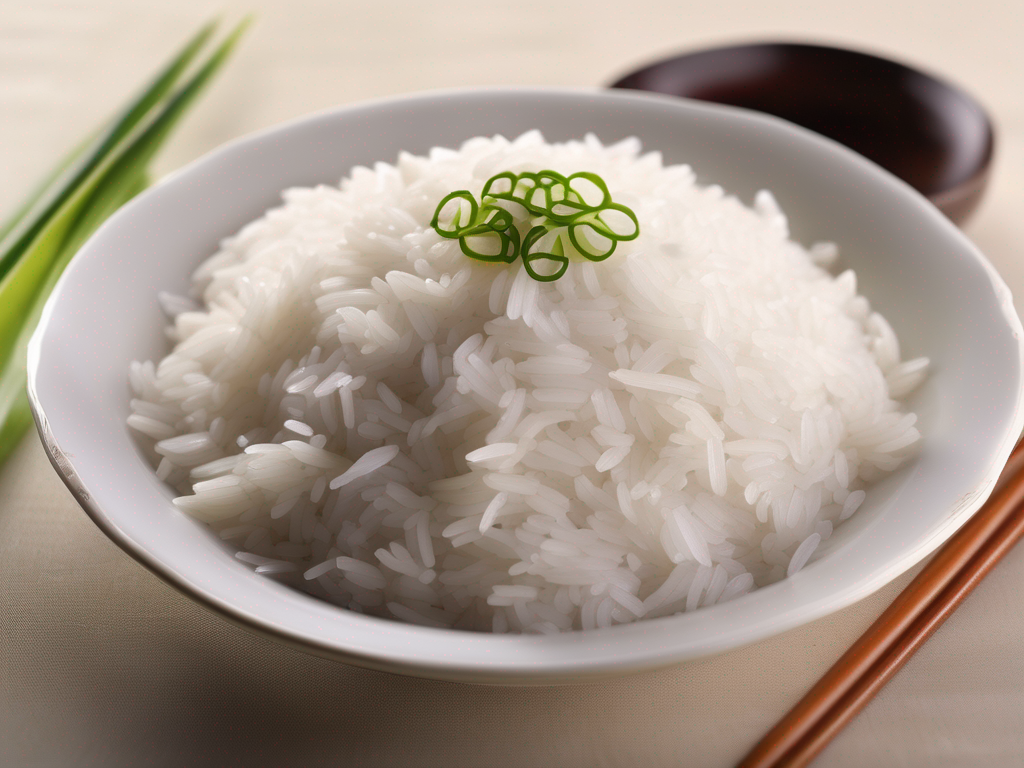
How Long Does Rice Last After the Expiration Date?
How Long Does Rice Last After the Expiration Date?
In many households, rice is a staple food that is used in a variety of dishes. However, like all food items, rice can also go bad if not stored properly or consumed within a certain time frame. In this blog post, we will discuss how long rice lasts after the expiration date and provide you with some practical tips on how to store rice correctly to ensure its freshness and safety. (Rice)
Understanding Rice Expiration Dates
When you purchase a package of rice from the store, you may notice that it has an expiration date printed on the packaging. This date is an indication of the manufacturer's estimate of how long the rice will remain at its best quality. It is important to note that the expiration date is not a strict deadline after which the rice will automatically go bad. Rather, it is a guideline to help you determine the freshness of the rice.
Factors Affecting Rice Shelf Life
Several factors can affect the shelf life of rice, including:
Dry foods stay fresher when protected from moisture, pests, and air exposure. Using airtight pantry containers (Amazon) helps maintain quality and extend shelf life for pantry staples.
- Type of Rice: Different types of rice, such as white rice, brown rice, or wild rice, have varying shelf lives.
- Storage Conditions: Proper storage is essential to maintain the freshness of rice.
- Packaging: Sealed packaging can help extend the shelf life of rice.
- Exposure to Moisture and Air: Moisture and air can cause rice to spoil more quickly.
How Long Does Rice Last After the Expiration Date?
The shelf life of rice can vary depending on the type of rice and how it is stored. Here is a general guideline for how long different types of rice last after the expiration date:
White Rice
- Uncooked White Rice: Can last for 4-5 years past the expiration date if stored properly.
- Cooked White Rice: Can last for 4-6 days in the refrigerator or up to 6 months in the freezer.
Brown Rice
- Uncooked Brown Rice: Can last for 6-8 months past the expiration date if stored properly.
- Cooked Brown Rice: Can last for 4-5 days in the refrigerator or up to 6 months in the freezer.
Wild Rice
- Uncooked Wild Rice: Can last for 1-2 years past the expiration date if stored properly.
- Cooked Wild Rice: Can last for 4-5 days in the refrigerator or up to 6 months in the freezer.
Tips for Storing Rice Properly
To ensure that your rice stays fresh and safe to eat, follow these tips for storing rice properly:
- Store in a Cool, Dry Place: Keep rice in a cool, dry place away from direct sunlight and heat sources.
- Use Airtight Containers: Transfer rice to airtight containers or resealable bags to prevent exposure to moisture and air.
- Avoid Temperature Fluctuations: Store rice away from temperature fluctuations to maintain its quality.
- Check for Signs of Spoilage: Before consuming rice past the expiration date, check for any signs of spoilage such as off smell or appearance.
common situation
Imagine you're preparing a family meal and realize you have a half-opened bag of rice that expired a year ago. You might feel hesitant to use it, wondering if it's still safe. In this situation, if you follow the storage tips mentioned, you could find that the rice is still perfectly fine. This is a situation many face, especially when managing a busy kitchen and trying to minimize waste.
Excess humidity can cause dry foods to clump or spoil. Adding food-safe desiccant packs (Amazon) to storage containers helps control moisture levels and extend shelf life.
Another common situation is when you’ve just moved into a new home and unpacked a box filled with various food items, including rice. You notice that some packages are past their expiration dates. Rather than throwing everything away, checking the rice's condition and understanding its storage history can save it from being wasted.
Practical Tip: The Smell Test
If you encounter rice that’s past its expiration date, trust your senses. I’ve found that giving the rice a sniff can often reveal its state. Fresh rice should have virtually no odor, while spoiled rice might emit a rancid or musty smell. If it smells off, it is best to toss it out.
Scientific Context
Rice is composed primarily of carbohydrates and has a low moisture content, especially in its uncooked form. This low moisture environment inhibits the growth of bacteria and mold, which is why dry rice can last for years if stored correctly. However, brown rice, which contains the bran and germ, has a higher oil content and can become rancid more quickly. This is where understanding the science behind your food storage can make a significant difference in food safety.
Nutritional Information
Did you know that rice is not just a filler in your meals? It's a rich source of energy, providing about 160 calories per cooked cup. White rice is typically enriched with iron and some B vitamins, while brown rice is a whole grain, boasting higher fiber content and essential nutrients. Consuming rice past its expiration date could still offer nutritional value, provided it has been stored correctly and shows no signs of spoilage.
Common Mistakes
Many people mistakenly think that rice is a non-perishable item, leading them to ignore proper storage practices. This can can increase the likelihood of stale or spoiled rice, which not only diminishes the flavor of your dishes but can also pose health risks. Another common oversight is keeping rice in its original packaging, which is often not airtight and can allow moisture in.
Expert Insights
Food safety experts recommend regularly checking your pantry for items that have been sitting unattended for too long. It's a good practice to rotate your food supplies, using older items first. This not only helps prevent waste but also ensures you're consuming your food while it's still at its best quality.
Storage Methods
For optimal storage, you might consider vacuum sealing your rice. Vacuum sealing removes air and moisture, which are the main culprits behind spoilage. If you’re someone who buys rice in bulk, investing in a vacuum sealer can save you a lot of money in the long run by extending the shelf life of your food.
Another method is to store rice in the freezer. This method is particularly useful for brown rice, as freezing can prolong its shelf life, keeping it fresh for several months beyond its expiration date. Many people don’t realize that uncooked rice can be frozen without compromising its quality, making this an excellent option for long-term storage.
Safety Warnings
Always remember that while rice can last beyond its expiration date, there is a fine line between "still good" and "best to discard." If you’ve stored your rice in a humid environment, or if you see any insect activity, mold, or discoloration, it’s safer to let it go. Remember, food safety should always come first!
Conclusion
In conclusion, rice can last for an extended period after the expiration date if stored properly. By following the tips mentioned in this blog post, you can ensure that your rice remains fresh and safe to eat. Remember to check the quality of the rice before consuming it past the expiration date and always prioritize food safety in your kitchen. With the right storage practices, you can enjoy delicious rice dishes for a long time.
For more information on rice and other food safety tips, stay tuned for our upcoming blog posts! (Rice)
Related Posts
Here are some other articles you might find helpful:
- The Ultimate Guide to Foods with the Longest Expiration Dates
- Votre farine tout usage est-elle encore bonne ? Un guide pour vérifier si elle est périmée
- Jusqu'à combien de temps pouvez-vous conserver des airelles séchées dans le garde-manger?
- Est-ce que vous pouvez encore boire une bouteille de bière non ouverte périmée?
- Jusqu'à quelle durée une bouteille de bière non ouverte peut-elle durer avant d'expirer?
Authoritative Food Safety References
These agencies and university labs inform every tip and health precaution we publish.
USDA FoodKeeper – Cold Storage Guidelines
Official refrigerator, freezer, and pantry timelines maintained by the U.S. Department of Agriculture.
Visit USDA FoodKeeperFDA Produce Safety Rule & Grower Guidance
Field-to-fridge handling practices that prevent contamination of fruits, vegetables, and leafy greens.
Visit FDA Produce SafetyCDC Foodborne Illness Prevention Hub
Surveillance-backed guidance on pathogens, symptoms, and steps to reduce foodborne illness risk.
Visit CDC Food SafetyUC Davis Postharvest Technology Center
University research detailing optimal storage atmospheres for produce after harvest.
Visit UC Davis PostharvestPenn State Extension – Home Food Preservation & Safety
Peer-reviewed extension bulletins on safe canning, chilling, and reheating practices.
Visit Penn State ExtensionDisclosure: As an Amazon Associate, we earn from qualifying purchases. This helps support our site and allows us to continue providing free food safety information.