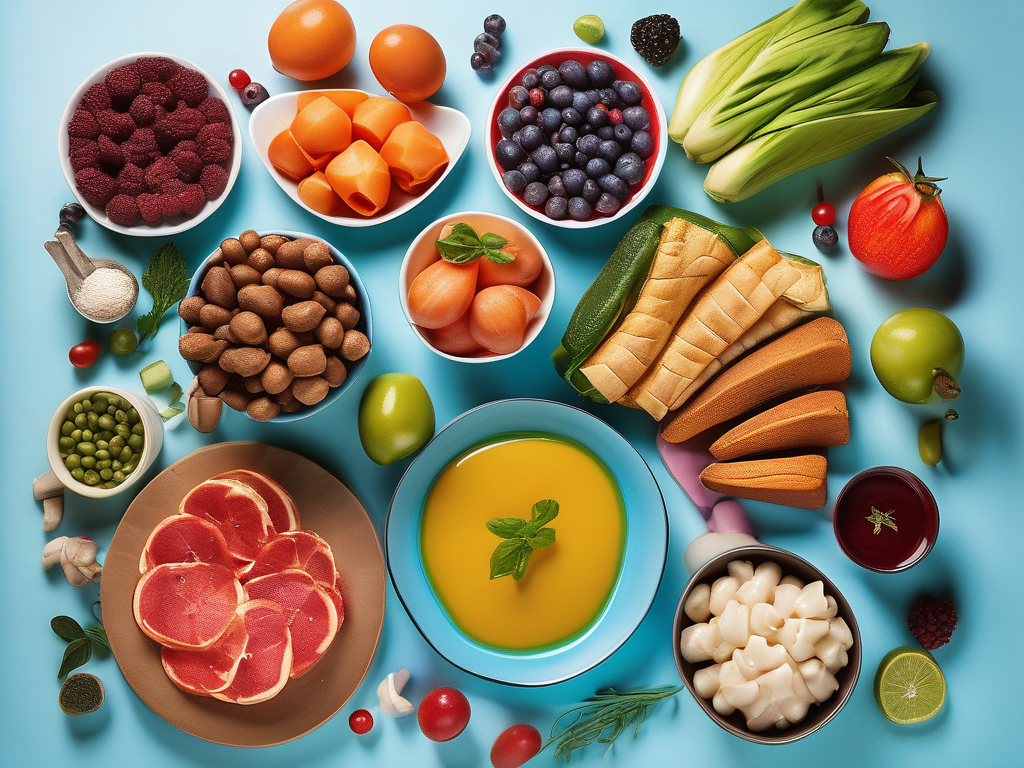
The Ultimate Guide to Foods with the Longest Expiration Dates
The Ultimate Guide to Foods with the Longest Expiration Dates
In today's fast-paced world, we often find ourselves juggling multiple responsibilities, leaving little time to constantly monitor the freshness of our food. Wouldn't it be convenient to have a list of foods that have the longest expiration dates, allowing us to stock up without worrying about spoilage? In this comprehensive guide, we'll explore various food items known for their extended shelf life, along with tips on how to store them properly to maximize freshness.
Understanding Expiration Dates
Before diving into the list of foods with long expiration dates, it's essential to understand the different types of dates you might find on food packaging:
Types of Expiration Dates
- "Best By" Date: This date indicates the optimal quality of the product, but it is still safe to consume after this date.
- "Use By" Date: This date is the last recommended date for consuming the product at its peak quality.
- "Sell By" Date: This date is intended for retailers to know how long to display the product for sale.
Foods with Long Expiration Dates
Now, let's explore some food items that are known for their extended shelf life:
Proper airflow and humidity control can significantly extend produce freshness. Many households use produce storage containers (Amazon) in the refrigerator to regulate moisture and slow spoilage.
1. Honey
- Expiration Date: Indefinite shelf life
- Storage Tips: Store honey in a cool, dry place away from direct sunlight. Avoid storing it in the refrigerator, as it can crystallize.
- Benefits: Besides its long shelf life, honey is known for its antibacterial properties and nutritional quality.
2. Rice
- Expiration Date: Indefinite shelf life if stored properly
- Storage Tips: Keep rice in a sealed container in a cool, dry place to prevent moisture and pests.
- Benefits: Rice is a staple food in many cultures and can be stored for long periods without losing its quality.
3. Dried Beans
- Expiration Date: 1-2 years or more
- Storage Tips: Store dried beans in an airtight container in a cool, dark place. Avoid moisture to prevent mold growth.
- Benefits: Dried beans are a great source of protein and fiber, making them a pantry staple with a long shelf life.
4. Canned Foods
- Expiration Date: 2-5 years or more, depending on the product
- Storage Tips: Keep canned foods in a cool, dry place. Check for any signs of bulging or rust before consuming.
- Benefits: Canned foods are convenient and have a long shelf life, making them ideal for emergencies or quick meals.
5. Vinegar
- Expiration Date: Indefinite shelf life
- Storage Tips: Store vinegar in a cool, dark place. No refrigeration is needed.
- Benefits: Vinegar is a versatile ingredient used in cooking, cleaning, and even as a natural remedy.
Tips for Maximizing Shelf Life
To ensure that your food items maintain their quality and freshness for as long as possible, consider the following tips:
- Proper Storage: Store food in airtight containers or packaging to prevent exposure to air and moisture.
- Cool and Dry Environment: Keep food items in a cool, dry place away from direct sunlight and heat sources.
- Rotate Stock: Practice first in, first out (FIFO) inventory management to use older items before newer ones.
- Check for Spoilage: Regularly inspect your food items for any signs of spoilage, such as mold, off smells, or unusual textures.
common situation
situation 1: The Family Emergency Kit
Common situations include preparing for an unexpected natural disaster. They decide to create an emergency kit to ensure they have enough food supplies. By stocking up on items like canned beans, rice, and honey, they make sure they can eat well even if they can’t get to the store for a while. During a storm, they find comfort in knowing they have nutritious meals ready to go, reducing anxiety during uncertain times.
situation 2: Busy College Student
Picture a college student juggling classes, a part-time job, and social life. With little time to shop for groceries frequently, they choose to fill their pantry with long-lasting food items like dried beans and rice. When there’s no time to cook, they can quickly whip up a hearty meal using these staples, all while saving money and avoiding food waste.
Keeping produce organized can improve air circulation and cooling. refrigerator organizer bins (Amazon) help reduce overcrowding and maintain consistent refrigerator temperatures.
situation 3: Preparing for a Move
Consider someone who is preparing for a big move. They want to minimize waste while packing. They focus on using up perishable items but are left with a pantry full of canned goods, dry pasta, and rice. By prioritizing these long-lasting foods, they can ensure they have meals available without rushing out to shop after the move.
Scientific Context
Understanding food preservation is essential to ensuring that the items you stock up on remain safe and nutritious over time. Many foods, like rice and beans, remain stable due to their low moisture content. When moisture is minimized, microbial growth is inhibited, which extends shelf life significantly.
For example, honey's low water content and high acidity create an environment that is inhospitable to bacteria, allowing it to last indefinitely. Similarly, vinegar’s acidic nature preserves food and can prevent spoilage. These scientific principles underpin the importance of proper storage techniques.
Practical Tips for Long-Term Storage
-
Vacuum Sealing: Consider vacuum sealing items like grains or dried beans. This method removes air, further extending the shelf life by preventing oxidation and moisture exposure.
-
Mylar Bags with Oxygen Absorbers: For items like rice or dried beans, using Mylar bags with oxygen absorbers can create a barrier against light and air, prolonging shelf life even more.
-
Freezing for Freshness: Some items, like nuts or certain dried fruits, can be frozen to extend their shelf life significantly. This is particularly useful if you buy in bulk.
-
Labeling: Always label containers with the date you purchased the item. This practice will help you keep track of how long items have been stored and ensure you use them within their optimal time frame.
Common Mistakes to Avoid
Many people assume that all canned goods can be stored indefinitely. While many canned foods are safe for years, they can lose quality in taste and texture over time. Always check for conditions like rust or dents that can compromise the integrity of the can.
Another common mistake is assuming that the "best by" date is the same as an expiration date. As noted earlier, many foods are still safe beyond this date, and consumers often discard perfectly good food due to misunderstanding these labels.
Expert Insights
Food safety experts recommend conducting regular inventory checks of your pantry, not just for expired items, but to avoid stockpiling too much of certain items. It's easy to forget what you have, leading to waste. A well-organized pantry can make a big difference in how effectively you utilize your long-lasting foods.
Additionally, keep in mind that foods like dried beans do require some pre-cooking or soaking before consumption, so it's a good idea to include a few easy recipes or cooking instructions next to your stored items.
Safety Warnings
While many foods can last a long time, always be cautious of mold growth, especially in items like dried beans or grains. If you see any signs of spoilage or unusual odors, it’s best to err on the side of caution and discard the item.
It's also crucial to store foods like vinegar and canned items in a stable environment. Extreme fluctuations in temperature can affect the quality and safety of these products.
Conclusion
Stocking up on foods with long expiration dates can be a smart way to ensure you always have essentials on hand. By understanding how to store these items properly and following simple tips for maximizing shelf life, you can save time and money while reducing food waste. Whether you're preparing for emergencies or simply looking to streamline your pantry, incorporating these long-lasting foods into your diet is a practical choice for any household. So, next time you're at the grocery store, consider adding some of these items to your shopping list for added convenience and peace of mind.
By being informed and proactive, you not only ensure your safety but also create a sustainable food environment for yourself and your loved ones. Happy stocking!
Authoritative Food Safety References
These agencies and university labs inform every tip and health precaution we publish.
USDA FoodKeeper – Cold Storage Guidelines
Official refrigerator, freezer, and pantry timelines maintained by the U.S. Department of Agriculture.
Visit USDA FoodKeeperFDA Produce Safety Rule & Grower Guidance
Field-to-fridge handling practices that prevent contamination of fruits, vegetables, and leafy greens.
Visit FDA Produce SafetyCDC Foodborne Illness Prevention Hub
Surveillance-backed guidance on pathogens, symptoms, and steps to reduce foodborne illness risk.
Visit CDC Food SafetyUC Davis Postharvest Technology Center
University research detailing optimal storage atmospheres for produce after harvest.
Visit UC Davis PostharvestPenn State Extension – Home Food Preservation & Safety
Peer-reviewed extension bulletins on safe canning, chilling, and reheating practices.
Visit Penn State ExtensionDisclosure: As an Amazon Associate, we earn from qualifying purchases. This helps support our site and allows us to continue providing free food safety information.