The Ultimate Guide to Preserving Gochujang Freshness
The Ultimate Guide to Preserving Gochujang Freshness
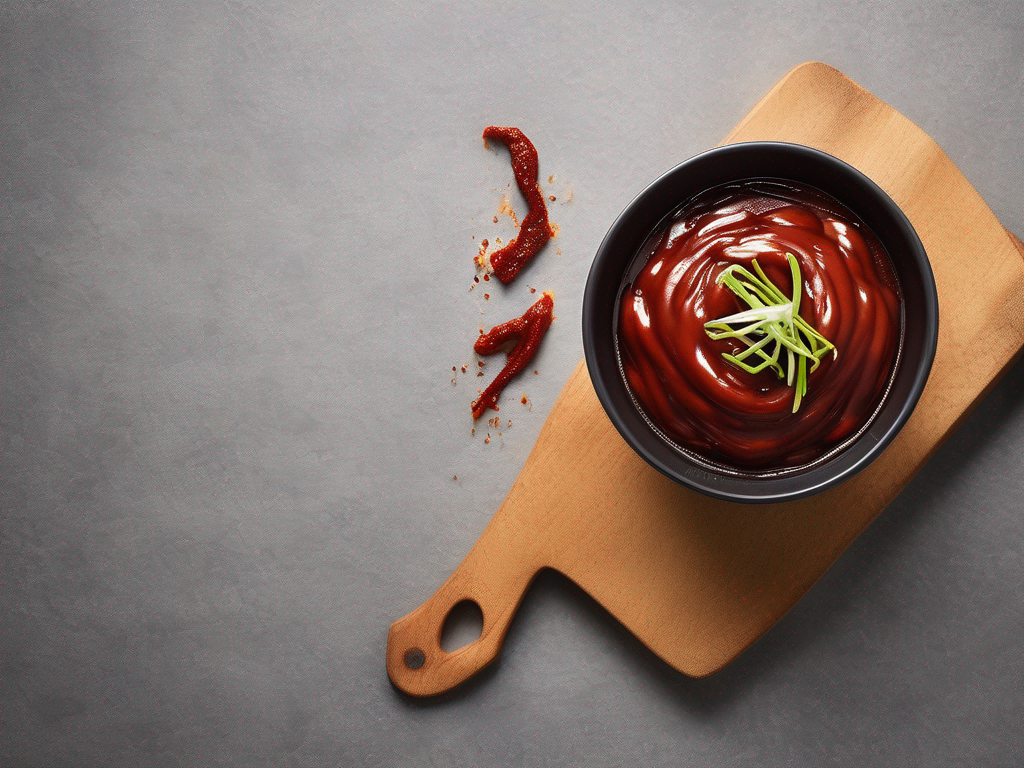
Gochujang is a staple in Korean cuisine, known for its unique blend of spicy, sweet, and savory flavors. This fermented chili paste adds depth and complexity to dishes, making it a versatile ingredient in various recipes. However, to fully enjoy the flavors of gochujang, it is essential to store it properly to maintain its freshness and quality. In this comprehensive guide, we will explore the best practices for preserving gochujang freshness, ensuring that you can enjoy its delicious taste for a longer period. (Gochujang)
Understanding Gochujang
Before delving into how to preserve gochujang, let's first understand what it is. Gochujang is a traditional Korean condiment made from red chili pepper flakes, glutinous rice, fermented soybeans, and salt. The mixture is aged in clay pots, allowing the flavors to develop and intensify over time. Gochujang is commonly used in marinades, sauces, soups, and stews to add heat and depth to dishes.
What Makes Gochujang Special?
- Rich umami flavor
- Spicy kick with a hint of sweetness
- Fermented ingredients for depth of flavor
- Versatile ingredient in Korean cuisine
Factors Affecting Gochujang Freshness
Several factors can impact the freshness and quality of gochujang. By understanding these factors, you can take the necessary steps to preserve your gochujang effectively.
Proper cooking temperatures are essential for food safety. An instant-read food thermometer (Amazon) helps ensure meat reaches safe internal temperatures and reduces the risk of foodborne illness.
Light and Heat Exposure
- Direct sunlight and heat can accelerate the fermentation process of gochujang, leading to changes in flavor and texture.
- Store gochujang in a cool, dark place to protect it from light exposure and maintain its freshness.
Air and Moisture
- Exposure to air and moisture can lead to mold growth and spoilage of gochujang.
- Always seal the container tightly after each use to prevent air and moisture from entering.
Contamination
- Cross-contamination can occur if you use a dirty utensil or hands to scoop out gochujang, introducing bacteria that can spoil the condiment.
- Use clean utensils and avoid double-dipping to maintain the freshness of gochujang.
Best Practices for Preserving Gochujang Freshness
Now that we understand the factors that can affect gochujang freshness, let's explore the best practices for preserving this beloved Korean condiment.
Storage Tips
- Refrigeration: While gochujang can be stored at room temperature, refrigeration can help extend its shelf life.
- Air-Tight Container: Transfer gochujang to an air-tight container to prevent air and moisture exposure.
- Dark and Cool Place: Store gochujang in a dark and cool place away from direct sunlight and heat sources.
Usage Tips
- Clean Utensils: Use clean utensils to scoop out gochujang to avoid contamination.
- Avoid Double-Dipping: To prevent cross-contamination, avoid double-dipping with used utensils.
Shelf Life
- Unopened: Gochujang can last for up to a year when left unopened in a cool, dark place.
- Opened: Once opened, consume gochujang within 3-6 months for the best quality and flavor.
common situation
Understanding how to preserve gochujang can be particularly helpful in everyday cooking situations.
situation 1: Meal Prep Mondays
Many people engage in meal prep to save time during the week. Imagine you’ve just made a big batch of Korean chili chicken for your lunch prep. You add a generous dollop of gochujang to the marinade, but you also have some leftover. If you don’t store your gochujang properly afterward, by Thursday, when you want to whip up a quick stir-fry, the flavor may not be as vibrant. Proper storage can ensure that each meal you prepare maintains that punchy flavor.
Refrigerator temperature fluctuations can accelerate spoilage and increase food safety risks. A refrigerator thermometer (Amazon) helps monitor consistent cold storage (40°F or below).
situation 2: Family Gatherings
Picture a weekend family gathering where you showcase your cooking skills by preparing a Korean BBQ spread. You use gochujang in multiple dishes, from dipping sauces to marinades. Afterward, you’re left with an open container of gochujang. If you forget to seal it properly and store it correctly, the next time you open it, you might find that it has developed an off taste or mold, which can be disappointing for your next meal.
situation 3: Culinary Experimentation
Imagine you’re experimenting with gochujang in a fusion dish, such as a gochujang pasta. You want to keep some for later use, but if you store it improperly, you may lose the unique flavor that inspired your culinary creativity. By following the best practices for preservation, you can ensure that every dish you create with gochujang is as delicious as the last.
Safety Precautions
While gochujang is a delicious condiment, it is essential to follow safety precautions to prevent foodborne illnesses.
Signs of Spoilage
- Mold: Discard gochujang if you see any signs of mold growth on the surface.
- Off Odor: If gochujang develops an off odor or unpleasant smell, it is best to dispose of it.
Allergen Information
- Gochujang contains soybeans, making it a potential allergen for individuals with soy allergies.
- Always check the ingredient label for allergen information before consuming gochujang.
Scientific Context
Understanding the fermentation process of gochujang can enhance your appreciation for this delicious condiment. Fermentation is a natural process that involves microorganisms converting sugars into acids, gases, or alcohol. In the case of gochujang, the fermentation of glutinous rice and soybeans creates a complex flavor profile that is rich in umami.
Studies have shown that fermented foods, like gochujang, can have positive effects on gut health due to their probiotic content. The microorganisms involved in fermentation can contribute to a healthier microbiome, aiding in digestion and overall health. So, not only is gochujang a flavorful addition to your dishes, but it could also offer some nutritional quality!
Common Mistakes
Even with the best intentions, it’s easy to make mistakes when it comes to storing gochujang. Here are a few common pitfalls to avoid:
-
Storing in Non-Airtight Containers: Many people mistakenly believe that any container will do. If it’s not airtight, air can compromise the gochujang’s quality.
-
Keeping it in the Pantry: While it’s okay for a short period, long-term storage in warm areas can speed up spoilage.
-
Using Contaminated Utensils: It’s tempting to use the same spoon that you used for another condiment, but this can lead to cross-contamination.
Practical Tips
Here are some additional tips to maximize the freshness of your gochujang:
-
Label Your Storage: If you transfer gochujang to a new container, label it with the date of purchase or opening. This can help you keep track of how long it’s been stored.
-
Freeze for Long-Term Storage: If you find yourself with excess gochujang that you can’t use within the recommended timeframe, consider freezing it. Freeze in ice cube trays, then transfer the cubes to a zip-top bag. This allows you to use small amounts as needed without exposing the entire container to air.
-
Utilize in Various Dishes: Keep your gochujang usage exciting—mix it into salad dressings, add it to marinades for meats, or even incorporate it into dips. The more you use it in diverse dishes, the less likely it is to go to waste.
Expert Insights
Food safety experts recommend regularly checking your pantry and refrigerator for any food items that may have been forgotten. This is especially true for condiments like gochujang, which can easily be overlooked. Regularly rotating your stock can help prevent spoilage.
Another expert tip is to always err on the side of caution. If you’re ever in doubt about the safety of your gochujang, it’s best to dispose of it rather than risk foodborne illness.
Conclusion
Preserving the freshness of gochujang is crucial to maintaining its vibrant flavors and quality. By following the storage tips, usage tips, and safety precautions outlined in this guide, you can enjoy the rich and spicy taste of gochujang in your favorite dishes for an extended period. Remember to store your gochujang in a cool, dark place, use clean utensils, and be mindful of signs of spoilage to ensure a safe and delightful culinary experience.
For more information on gochujang and other food safety tips, visit our gochujang page. Happy cooking!
This comprehensive guide provides valuable insights into preserving the freshness of gochujang, a beloved Korean condiment. By following the best practices outlined in this guide, you can savor the unique flavors of gochujang in your culinary creations for an extended period. (Gochujang)
Related Posts
Here are some other articles you might find helpful:
- How to Store Opened Gochujang Korean Chili Paste to Extend Its Shelf Life
- How to Store Open Gochujang to Extend Its Shelf Life
- Preserving Gochujang Korean Chili Paste: Best Methods for Long-Term Use
- Creative Ways to Use Up Leftover Gochujang Korean Chili Paste
- Creative Ways to Use Up Leftover Gochujang
Authoritative Food Safety References
These agencies and university labs inform every tip and health precaution we publish.
USDA FoodKeeper – Cold Storage Guidelines
Official refrigerator, freezer, and pantry timelines maintained by the U.S. Department of Agriculture.
Visit USDA FoodKeeperFDA Produce Safety Rule & Grower Guidance
Field-to-fridge handling practices that prevent contamination of fruits, vegetables, and leafy greens.
Visit FDA Produce SafetyCDC Foodborne Illness Prevention Hub
Surveillance-backed guidance on pathogens, symptoms, and steps to reduce foodborne illness risk.
Visit CDC Food SafetyUC Davis Postharvest Technology Center
University research detailing optimal storage atmospheres for produce after harvest.
Visit UC Davis PostharvestPenn State Extension – Home Food Preservation & Safety
Peer-reviewed extension bulletins on safe canning, chilling, and reheating practices.
Visit Penn State ExtensionDisclosure: As an Amazon Associate, we earn from qualifying purchases. This helps support our site and allows us to continue providing free food safety information.