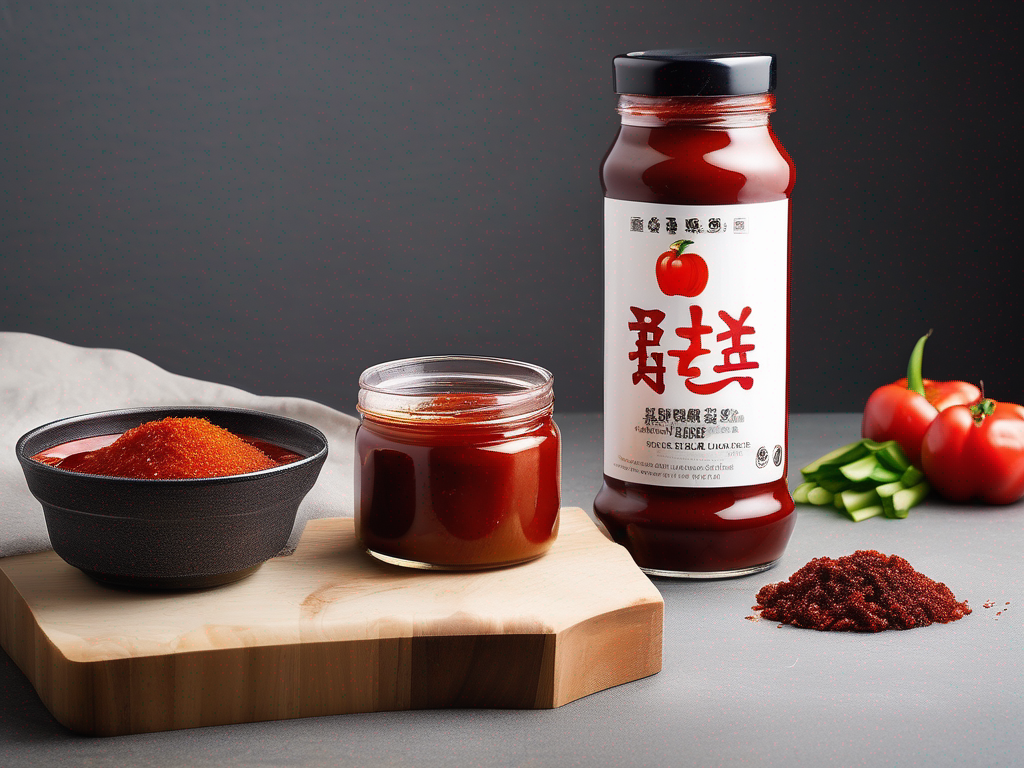
How to Store Open Gochujang to Extend Its Shelf Life
How to Store Open Gochujang to Extend Its Shelf Life
How to Store Open Gochujang to Extend Its Shelf Life
Gochujang, a staple in Korean cuisine, is a flavorful and spicy fermented chili paste that adds a unique kick to dishes. This versatile condiment can be used in a variety of recipes, from marinades to soups to dipping sauces. However, once you open a container of gochujang, proper storage is crucial to maintain its freshness and extend its shelf life. In this blog post, we will discuss practical tips on how to store open gochujang effectively. (Gochujang)
Understanding Gochujang
Before delving into storage methods, it's essential to understand the key components of gochujang and how it contributes to its shelf life. Gochujang is made from red chili powder, glutinous rice, fermented soybean powder, barley malt powder, and salt. The fermentation process not only enhances the flavor but also helps preserve the condiment. However, exposure to air, light, and moisture can shorten its shelf life.
Factors Affecting Gochujang Shelf Life
- Air Exposure: Oxidation can lead to flavor degradation and spoilage.
- Light: Exposure to sunlight can cause discoloration and affect taste.
- Moisture: Excess moisture can promote mold growth and spoilage.
Now, let's explore the best practices for storing open gochujang to ensure its longevity.
Dry foods stay fresher when protected from moisture, pests, and air exposure. Using airtight pantry containers (Amazon) helps maintain quality and extend shelf life for pantry staples.
Tips for Storing Open Gochujang
1. Seal the Container Tightly
- After opening the gochujang container, make sure to seal it tightly after each use to minimize air exposure and prevent oxidation.
2. Store in a Cool, Dark Place
- To protect gochujang from light exposure, store it in a cool, dark place such as a pantry or cabinet. Avoid storing it near heat sources or in direct sunlight.
3. Use a Clean Utensil
- When scooping out gochujang from the container, use a clean utensil to prevent introducing contaminants that could spoil the condiment.
4. Refrigerate for Extended Shelf Life
- While gochujang can be stored at room temperature for short periods, refrigeration can significantly extend its shelf life. Transfer the gochujang to an airtight container before placing it in the refrigerator.
5. Check for Signs of Spoilage
- Before using gochujang, inspect it for any signs of spoilage such as mold growth, off smells, or unusual discoloration. If you notice any of these signs, discard the gochujang immediately.
common situation
Let’s take a moment to reflect on some real-world situations that many home cooks might encounter when using gochujang:
situation 1: Last-Minute Dinner Preparations
Imagine it’s a weekday evening, and you’re racing against the clock to prepare dinner. You grab your gochujang to whip up a quick stir-fry, but you notice it’s been sitting in the pantry for a while. You hurriedly toss it into the pan, hoping for the best. Later, you realize that the gochujang has lost its vibrant flavor, and the dish just doesn't taste quite right. This situation highlights the importance of proper storage and checking your ingredients regularly to ensure they’re at their best.
situation 2: A Potluck Surprise
You’re invited to a potluck and decide to make a bibimbap dish featuring gochujang. You grab a jar that’s been open for a few months and assume it’ll be fine. However, when you arrive at the potluck, you taste the gochujang, only to find it has an off flavor. The lesson here? Always store your gochujang carefully, and consider taste-testing before serving to others.
Excess humidity can cause dry foods to clump or spoil. Adding food-safe desiccant packs (Amazon) to storage containers helps control moisture levels and extend shelf life.
situation 3: Experimenting with New Recipes
Picture yourself excitedly trying a new Korean recipe that calls for gochujang. You’ve kept the condiment in your fridge, but it’s been a while since you last used it. As you prepare the dish, you notice the gochujang looks a bit darker than you remember. Rather than throwing caution to the wind, you check for any signs of spoilage. This proactive approach can save you from a disappointing meal and ensure food safety.
Safety Precautions and Best Practices
Safety Precautions
- Avoid Double Dipping: To prevent contamination, avoid double-dipping utensils into the gochujang container.
- Label and Date: Consider labeling the container with the date of opening to track its freshness.
Best Practices
- Use Clean Hands: Wash your hands before handling gochujang to maintain hygiene.
- Follow Expiry Dates: While gochujang has a long shelf life, it's essential to check the expiry date on the packaging for guidance.
Common Mistakes in Storing Gochujang
While we've discussed effective storage methods, it's also crucial to recognize common mistakes that can lead to spoilage:
1. Ignoring Temperature
Many people believe that gochujang can sit out indefinitely. However, high temperatures can accelerate spoilage. Always store your gochujang in a place where it’s less likely to be affected by heat.
2. Not Using Airtight Containers
If you transfer your gochujang to a different container, ensure that it's airtight. Using a non-airtight container can lead to quicker spoilage due to air exposure.
3. Mixing Ingredients
Some may think it’s convenient to mix gochujang with other ingredients directly in the container. However, this introduces moisture and can lead to contamination and spoilage.
Nutritional Context of Gochujang
Beyond just flavor, gochujang offers several nutritional quality, which makes its proper storage even more essential:
Nutritional Profile
Gochujang is low in calories but rich in nutrients. It contains:
- Capsaicin: This compound gives gochujang its heat and has been linked to various nutritional quality, including pain relief and increased metabolism.
- Vitamins: It contains vitamins A, C, and E, which are essential for maintaining good health.
- Probiotics: The fermentation process offers beneficial bacteria that aid in digestion.
By storing gochujang properly, not only do you maintain its flavor but also its nutritional value, allowing you to enjoy its benefits in your meals.
Expert Insights on Storage Practices
Many food safety experts emphasize the importance of understanding the specific characteristics of fermented products like gochujang. Food safety guidance from public health agencies, a food safety researcher, notes, "Properly storing fermented foods is key to retaining their unique flavors and nutritional quality. Fermented products can be sensitive to environmental factors, so every step counts."
Additionally, she recommends checking your gochujang before use, even if it’s been refrigerated. "Feel free to give it a smell and taste before adding it to your dishes. This extra step can help you avoid unwanted surprises."
Conclusion
Proper storage is key to maintaining the quality and freshness of open gochujang. By following the tips outlined in this blog post, you can extend the shelf life of this flavorful condiment and continue to enjoy its spicy goodness in your cooking. Remember to seal the container tightly, store it in a cool, dark place, and refrigerate for prolonged freshness. By incorporating these storage practices into your routine, you can savor the rich flavors of gochujang for an extended period. Learn more about gochujang and experiment with new recipes to make the most of this versatile ingredient. (Gochujang)
Related Posts
Here are some other articles you might find helpful:
Authoritative Food Safety References
These agencies and university labs inform every tip and health precaution we publish.
USDA FoodKeeper – Cold Storage Guidelines
Official refrigerator, freezer, and pantry timelines maintained by the U.S. Department of Agriculture.
Visit USDA FoodKeeperFDA Produce Safety Rule & Grower Guidance
Field-to-fridge handling practices that prevent contamination of fruits, vegetables, and leafy greens.
Visit FDA Produce SafetyCDC Foodborne Illness Prevention Hub
Surveillance-backed guidance on pathogens, symptoms, and steps to reduce foodborne illness risk.
Visit CDC Food SafetyUC Davis Postharvest Technology Center
University research detailing optimal storage atmospheres for produce after harvest.
Visit UC Davis PostharvestPenn State Extension – Home Food Preservation & Safety
Peer-reviewed extension bulletins on safe canning, chilling, and reheating practices.
Visit Penn State ExtensionDisclosure: As an Amazon Associate, we earn from qualifying purchases. This helps support our site and allows us to continue providing free food safety information.