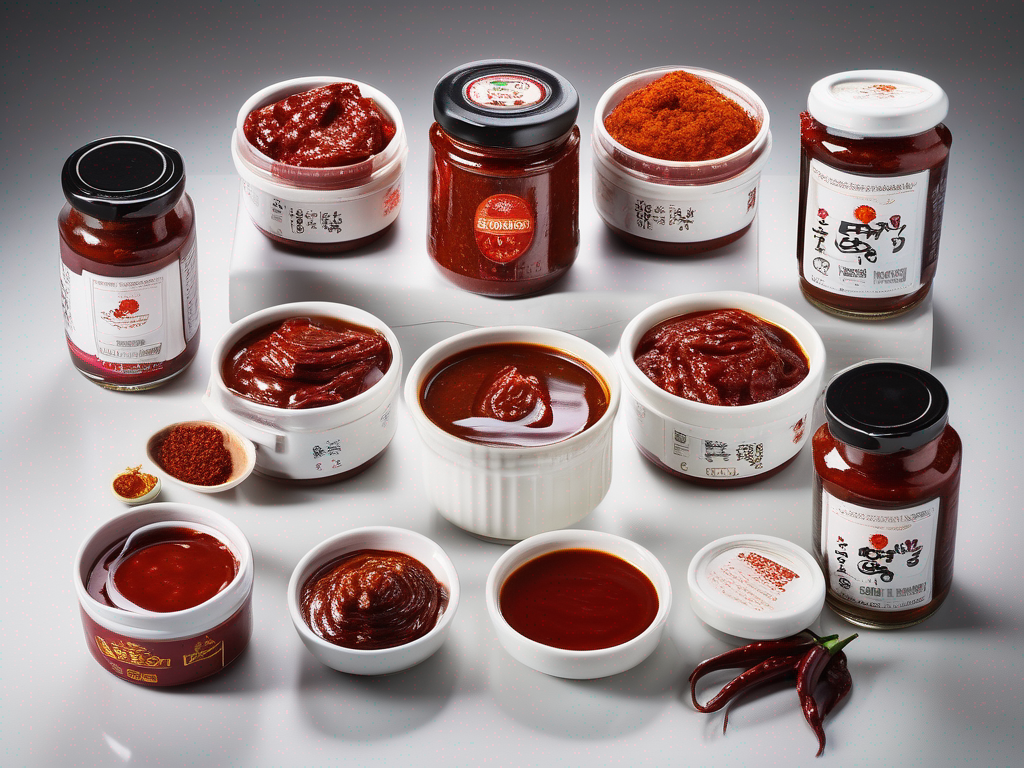
Preserving Gochujang Korean Chili Paste: Best Methods for Long-Term Use
Preserving Gochujang Korean Chili Paste: Best Methods for Long-Term Use
Gochujang Korean chili paste is a staple in Korean cuisine, known for its spicy, savory, and slightly sweet flavor profile. Made from fermented soybeans, glutinous rice, red chili powder, and salt, gochujang adds depth and complexity to dishes like bibimbap, tteokbokki, and bulgogi. However, due to its potent flavor and concentrated nature, it's essential to store gochujang properly to maintain its quality and extend its shelf life. In this post, we'll explore the best methods for preserving gochujang Korean chili paste for long-term use.
Understanding Gochujang Korean Chili Paste
Before delving into preservation methods, let's briefly discuss the characteristics of gochujang Korean chili paste:
- Flavor: Gochujang offers a balance of spiciness, sweetness, and umami, making it a versatile ingredient in various Korean dishes.
- Texture: It has a thick, paste-like consistency that can range from smooth to chunky, depending on the brand and recipe.
- Color: Gochujang typically has a deep red hue, thanks to the vibrant red chili powder used in its production.
- Fermentation: The fermentation process gives gochujang its signature complex flavor and enhances its shelf life.
Proper Storage of Gochujang Korean Chili Paste
To ensure that your gochujang remains flavorful and safe to consume, follow these storage guidelines:
Dairy products require consistent cold storage to prevent spoilage and bacterial growth. A refrigerator thermometer (Amazon) helps ensure your refrigerator maintains safe temperatures (40°F or below).
1. Store in a Cool, Dark Place
- Keep your gochujang in a cool, dark pantry or cupboard away from direct sunlight and heat sources.
- Fluctuations in temperature and exposure to light can impact the quality and flavor of the paste.
2. Seal the Container Properly
- Always seal the container tightly after each use to prevent air and moisture from entering.
- Oxygen exposure can lead to oxidation and spoilage of the gochujang.
3. Refrigerate After Opening
- Once you open a container of gochujang, store it in the refrigerator to maintain its freshness.
- The cold temperature of the fridge helps slow down the fermentation process and extends the shelf life of the paste.
4. Consider Freezing for Long-Term Storage
- For extended storage, portion out gochujang into smaller containers or ice cube trays and freeze them.
- Frozen gochujang can last for several months and still retain its flavor when thawed.
5. Check for Signs of Spoilage
- Before using gochujang, inspect it for any signs of mold, off odors, or unusual discoloration.
- If the paste looks or smells off, it's best to discard it to prevent foodborne illness.
Tips for Preserving Gochujang Korean Chili Paste
To maximize the shelf life and quality of your gochujang, consider the following tips:
- Use a Clean Utensil: Always use a clean spoon or spatula to scoop out gochujang to prevent contamination.
- Avoid Cross-Contamination: Keep your gochujang away from raw meats and other potential sources of contamination.
- Label and Date Containers: If you freeze portions of gochujang, label each container with the date to track its freshness.
- Rotate Stock: If you have multiple containers of gochujang, use the oldest one first to prevent waste.
common situation
Understanding how gochujang fits into everyday life can help you appreciate its value even more. Here are a couple of relatable examples:
situation 1: Cooking for a Family Gathering
Imagine hosting a Korean-themed dinner for your friends and family. You’ve prepared a spread of delicious dishes featuring gochujang, from spicy kimchi to savory bulgogi. After the feast, you have a half-empty jar of gochujang that you want to preserve for future meals. By following the proper storage methods, such as sealing it tightly and refrigerating it, you can ensure that the flavors will remain vibrant for your next culinary adventure.
After opening, transferring dairy into an airtight container (Amazon) can reduce odor absorption, limit moisture exposure, and help slow bacterial growth.
situation 2: Discovering Gochujang in the Back of the Pantry
Many of us have had that moment of finding an old ingredient lurking in the back of the pantry, and perhaps that’s how you discovered a forgotten jar of gochujang. Instead of panicking, check the expiration date and inspect the paste for any signs of spoilage. If it passes the smell and sight tests, you can still utilize it in a new dish, turning a potential waste into a flavorful addition to your cooking.
Scientific Context: Understanding Fermentation and Preservation
Gochujang owes much of its unique flavor and longevity to the fermentation process. Fermented foods are known for their probiotic content, which is beneficial for gut health. The fermentation process not only enhances flavor but also acts as a natural preservative, allowing foods to last longer when stored correctly.
The main ingredients in gochujang—soybeans and red chili powder—contain natural antioxidants, which can help prevent spoilage. However, the presence of water and exposure to air can encourage the growth of unwanted bacteria. Understanding this balance is crucial for effective preservation. Many people don't realize that refrigeration is not just a way to keep gochujang fresh; it also slows down the fermentation process, ensuring that you can enjoy its unique flavor for a longer time.
Common Mistakes in Storing Gochujang
Despite having guidelines, many people unknowingly make mistakes that can lead to spoilage or loss of flavor. Here are some common pitfalls:
-
Not Refrigerating After Opening: One of the biggest errors is neglecting to refrigerate gochujang once it’s opened. The ideal environment for gochujang is cool and dark, and the fridge provides both of these conditions.
-
Using Damp Utensils: Using a wet spoon can introduce moisture into the paste, promoting mold growth. Always ensure that your utensils are dry to keep the gochujang in optimal condition.
-
Ignoring Expiration Dates: While gochujang can last a long time, it's still important to check the expiration date. Some brands may have different shelf lives due to variations in ingredients and manufacturing processes.
Practical Tips for Using Gochujang
Here are some actionable suggestions to make the most out of your gochujang:
Experiment with Different Recipes
Gochujang is not limited to Korean dishes. Try adding it to your favorite chili, marinades, or even salad dressings for a unique kick. Mixing it with honey can create a delicious glaze for meats, while combining it with yogurt makes a tasty dip for veggies.
Pair with Other Ingredients
Gochujang pairs beautifully with various ingredients, enhancing their flavors. Mix it with peanut butter for a delicious spread, or blend it with mayonnaise for a spicy sandwich spread. The possibilities are endless!
Create Your Own Gochujang-Based Sauces
Get creative by making your own sauces and condiments using gochujang as a base. Try mixing it with vinegar and ginger for a tangy dipping sauce or blend it with sesame oil for a flavorful marinade.
Expert Insights on Food Safety
Food safety is paramount when it comes to preserving any food item, including gochujang. As a food safety expert, I recommend maintaining a clean kitchen environment where cross-contamination is minimized. Educating yourself about the signs of spoilage and understanding the importance of proper storage techniques is essential. Remember that gochujang, while resilient, is still susceptible to degradation if not handled correctly.
Conclusion
By following proper storage techniques and handling practices, you can enjoy the rich flavors of gochujang Korean chili paste for an extended period. Whether you use it sparingly or in generous amounts, preserving gochujang correctly ensures that it remains a flavorful and safe ingredient in your culinary repertoire. Remember to prioritize food safety and quality when storing and using gochujang to enhance your Korean dishes.
For more information on gochujang Korean chili paste and delicious recipes using this versatile ingredient, visit here.
Whether you're a seasoned home cook or a culinary enthusiast exploring Korean cuisine, mastering the art of preserving gochujang will elevate your dishes and culinary creations. Experiment with different storage methods to find the one that best suits your needs and enjoy the bold flavors of gochujang in your favorite recipes.
Related Posts
Here are some other articles you might find helpful:
Authoritative Food Safety References
These agencies and university labs inform every tip and health precaution we publish.
USDA FoodKeeper – Cold Storage Guidelines
Official refrigerator, freezer, and pantry timelines maintained by the U.S. Department of Agriculture.
Visit USDA FoodKeeperFDA Produce Safety Rule & Grower Guidance
Field-to-fridge handling practices that prevent contamination of fruits, vegetables, and leafy greens.
Visit FDA Produce SafetyCDC Foodborne Illness Prevention Hub
Surveillance-backed guidance on pathogens, symptoms, and steps to reduce foodborne illness risk.
Visit CDC Food SafetyUC Davis Postharvest Technology Center
University research detailing optimal storage atmospheres for produce after harvest.
Visit UC Davis PostharvestPenn State Extension – Home Food Preservation & Safety
Peer-reviewed extension bulletins on safe canning, chilling, and reheating practices.
Visit Penn State ExtensionDisclosure: As an Amazon Associate, we earn from qualifying purchases. This helps support our site and allows us to continue providing free food safety information.