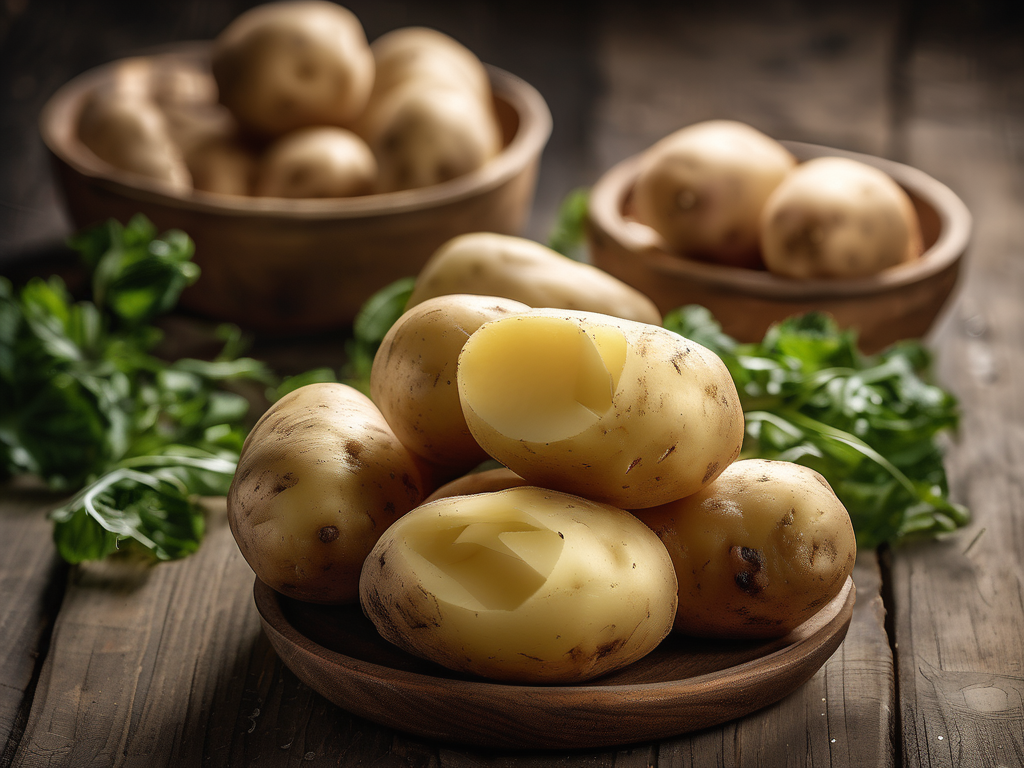
The Ultimate Guide to Refrigerated Mashed Potatoes Use By Date
The Ultimate Guide to Refrigerated Mashed Potatoes Use By Date
Who doesn't love creamy, comforting mashed potatoes? Whether you whipped up a big batch for a holiday feast or meal-prepped for the week, knowing how long your mashed potatoes will stay fresh in the refrigerator is crucial for food safety. In this guide, we'll delve into the ins and outs of refrigerated mashed potatoes' use-by date, so you can enjoy your favorite side dish without worry. (Potatoes)
How Long Can You Keep Refrigerated Mashed Potatoes?
Refrigerated mashed potatoes can be a convenient and delicious addition to your meals, but it's essential to understand how long they'll last in the fridge before they need to be tossed out. Here's a breakdown of the timeline for storing mashed potatoes:
Store-Bought Mashed Potatoes
- Unopened: Typically, store-bought mashed potatoes can be kept in the refrigerator for 2-3 weeks past the sell-by date on the packaging.
- Opened: Once opened, store-bought mashed potatoes should be consumed within 3-5 days for the best quality.
Homemade Mashed Potatoes
- Freshly Made: If you've made a fresh batch of mashed potatoes at home, they can be stored in the refrigerator for 3-5 days.
- Leftover: Leftover mashed potatoes from a meal can be safely stored in the fridge for 3-4 days.
Signs Your Mashed Potatoes Have Gone Bad
It's crucial to know the signs of spoilage in mashed potatoes to avoid consuming potentially harmful food. Keep an eye out for these indicators that your mashed potatoes may have gone bad:
Dairy products require consistent cold storage to prevent spoilage and bacterial growth. A refrigerator thermometer (Amazon) helps ensure your refrigerator maintains safe temperatures (40°F or below).
Visual Cues
- Discoloration: Look for any unusual changes in color, such as browning or gray spots.
- Mold: Discard mashed potatoes if you see any signs of mold growth.
- Unpleasant Odor: If your mashed potatoes have a sour or off-putting smell, it's best to throw them out.
Texture
- Slimy Texture: If the texture of the mashed potatoes feels slimy or slimy, it's a clear sign of spoilage.
Tips for Properly Storing Mashed Potatoes
To ensure your mashed potatoes stay fresh and safe to eat for as long as possible, follow these storage tips:
- Use Airtight Containers: Transfer your mashed potatoes to airtight containers to prevent them from absorbing odors from other foods in the fridge.
- Label and Date: Always label your containers with the date you made the mashed potatoes to track their freshness.
- Reheat Properly: When reheating mashed potatoes, make sure they reach an internal temperature of 165°F to kill any bacteria.
- Avoid Frequent Temperature Changes: Limit the number of times you take the mashed potatoes in and out of the refrigerator to maintain their quality.
Can You Freeze Mashed Potatoes?
If you find yourself with leftover mashed potatoes that you won't be able to consume within the recommended timeframe, freezing them can be a great option. Here's how you can freeze mashed potatoes for later use:
Freezing Process
- Cool: Allow the mashed potatoes to cool completely before freezing to prevent ice crystals from forming.
- Portion: Divide the mashed potatoes into individual portions for easier thawing and reheating.
- Freeze: Place the portions in airtight containers or freezer bags, removing as much air as possible before sealing.
Thawing and Reheating
- To thaw frozen mashed potatoes, transfer them to the refrigerator overnight.
- Reheat the thawed mashed potatoes in the microwave or on the stovetop, adding a splash of milk to restore creaminess.
common situation: When to Trust Your Mashed Potatoes
Consider this relatable situation: It's Thanksgiving, and you’ve made a massive batch of mashed potatoes, but not everyone was able to finish their share. When the holiday feast is over, you’re left with a mountain of creamy goodness. You want to make the most of your leftovers, but how do you know if they’re still good a few days later? If you remember the signs of spoilage we discussed and follow proper storage techniques, you’ll know exactly when it’s time to say goodbye to those leftovers.
After opening, transferring dairy into an airtight container (Amazon) can reduce odor absorption, limit moisture exposure, and help slow bacterial growth.
Another common situation is a busy parent meal-prepping for the week. You’ve made a big batch of mashed potatoes to pair with quick dinners. But by Wednesday, you’re unsure if those potatoes will still be safe to eat. Keeping track of the storage duration and adhering to the visual and smell tests will serve you well. Many people don’t realize just how easily food can spoil, especially when life gets hectic.
Scientific Context: The Science of Spoilage
Understanding the science behind food spoilage can help you make informed decisions about your food safety. Mashed potatoes, like many other food items, are prone to bacterial growth if not stored properly. The primary culprits are bacteria such as Listeria monocytogenes and Clostridium botulinum, which can thrive in improperly stored food.
When mashed potatoes are left at room temperature for too long, these bacteria multiply rapidly, increasing the risk of foodborne illness. The USDA recommends that perishable foods, including mashed potatoes, should not be left out for more than two hours. This time limit decreases to just one hour if the temperature is above 90°F.
Additionally, the cream and butter often included in mashed potatoes can contribute to spoilage due to their fat content. When storing these creamy potatoes, it’s essential to use proper refrigeration practices and monitor both time and temperature closely.
Practical Tips for Enjoying Mashed Potatoes Safely
-
Temperature Control: Make sure your refrigerator is set to below 40°F (4°C). This temperature is the safe zone for most perishable foods, including mashed potatoes.
-
Quick Cool Down: If you’ve made a big batch of mashed potatoes, divide them into smaller portions before refrigerating. This helps them cool down faster, minimizing the time they spend in the risks and considerations zone (between 40°F and 140°F).
-
Use Fresh Ingredients: When making mashed potatoes, use fresh potatoes and check the expiration dates on dairy products. Fresher ingredients can lead to a longer shelf life for your dish.
-
Avoid Cross-Contamination: Always use clean utensils when serving or storing your mashed potatoes. Contaminated utensils can introduce bacteria to your food, leading to spoilage.
Common Mistakes: What People Get Wrong About Mashed Potato Storage
One prevalent mistake is assuming that if food looks and smells fine, it’s safe to eat. While visual and olfactory cues are important, they’re not foolproof. Some pathogens can grow without altering the food's appearance or smell, so it's crucial to adhere to the recommended storage times.
Another common error is storing mashed potatoes at the back of the fridge, where it’s colder. While this might seem smart, it often leads to accidentally freezing the potatoes, which can change their texture upon thawing. Instead, place them in the main compartment where the temperature is more consistent.
Expert Insights: Recommendations from Food Safety Specialists
Many food safety experts emphasize the importance of being vigilant about leftovers. For instance, Food safety guidance from public health agencies, a food safety educator, suggests that when in doubt, throw it out. It’s far better to dispose of questionable food than risk foodborne illness.
Additionally, experts recommend that you keep an eye on your mashed potatoes' texture and moisture level. If they start to dry out, consider adding a little milk or cream before reheating to restore their original consistency. This not only enhances the flavor but also helps ensure that you’re enjoying your potatoes at their best.
Conclusion
By understanding the proper storage guidelines and use-by dates for refrigerated mashed potatoes, you can enjoy this classic comfort food with confidence. Remember to keep an eye out for signs of spoilage, follow safe storage practices, and consider freezing any leftovers to minimize food wastage. With these tips in mind, you can savor your mashed potatoes knowing they're fresh, safe, and delicious.
For more information on versatile and nutritious potatoes, visit our comprehensive guide. Happy cooking! (Potatoes)
Related Posts
Here are some other articles you might find helpful:
Authoritative Food Safety References
These agencies and university labs inform every tip and health precaution we publish.
USDA FoodKeeper – Cold Storage Guidelines
Official refrigerator, freezer, and pantry timelines maintained by the U.S. Department of Agriculture.
Visit USDA FoodKeeperFDA Produce Safety Rule & Grower Guidance
Field-to-fridge handling practices that prevent contamination of fruits, vegetables, and leafy greens.
Visit FDA Produce SafetyCDC Foodborne Illness Prevention Hub
Surveillance-backed guidance on pathogens, symptoms, and steps to reduce foodborne illness risk.
Visit CDC Food SafetyUC Davis Postharvest Technology Center
University research detailing optimal storage atmospheres for produce after harvest.
Visit UC Davis PostharvestPenn State Extension – Home Food Preservation & Safety
Peer-reviewed extension bulletins on safe canning, chilling, and reheating practices.
Visit Penn State ExtensionDisclosure: As an Amazon Associate, we earn from qualifying purchases. This helps support our site and allows us to continue providing free food safety information.