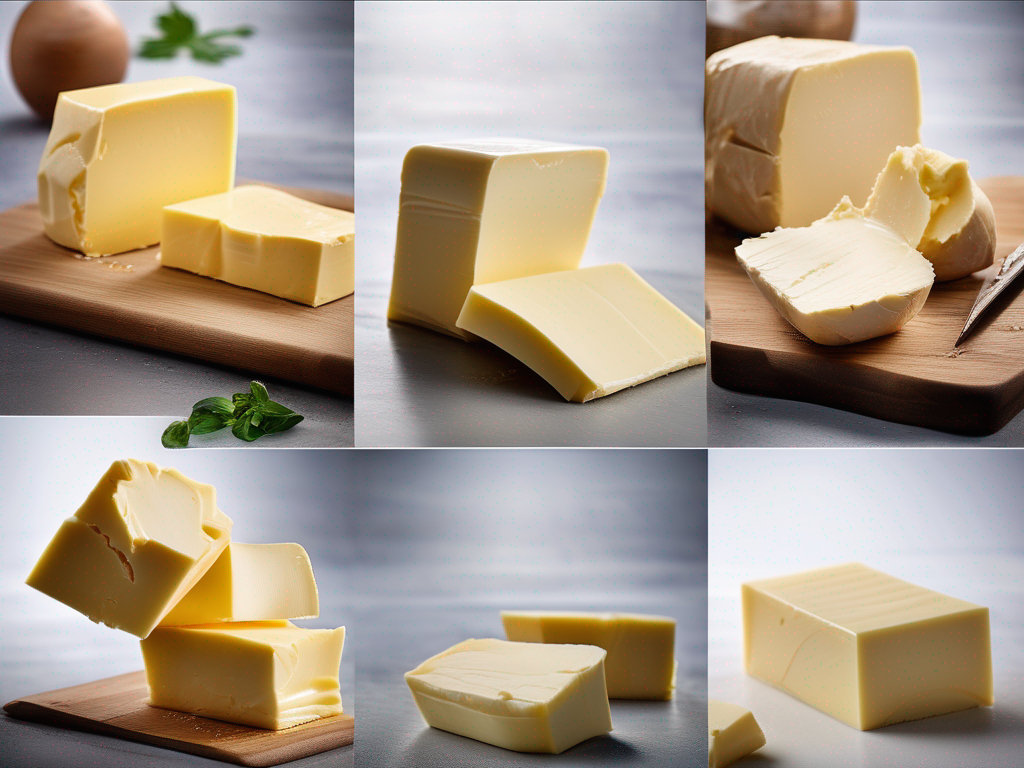
How Long Can You Eat Butter After It Expires
CanIEatExpired.com Team
# How Long Can You Eat Butter After It Expires

Butter is a staple ingredient in many kitchens, loved for its rich flavor and versatility in cooking and baking. However, like all food items, butter does have a shelf life, and it's essential to understand how long it can be safely consumed after it expires. In this blog post, we'll delve into the topic of butter expiration, storage practices, and tips to ensure food safety. ([Butter](https://canieatexpired.com/food/butter))

## Understanding Butter Expiration Dates

When you purchase butter from the store, you'll notice that it comes with a "best by" or "use by" date printed on the packaging. This date indicates the manufacturer's recommendation for the peak quality and flavor of the butter. It's important to note that this date is not a strict deadline for consumption but rather a guideline for optimal freshness.

### What Does the Expiration Date Mean?

- The "best by" date on butter signifies how long the product will retain its peak quality, flavor, and texture.
- After the expiration date, the butter may start to lose its freshness and flavor but is still safe to consume if stored properly.

## Factors Affecting Butter Shelf Life

Several factors can influence how long butter remains fresh and safe to eat:

### Storage Conditions

Proper storage is crucial in extending the shelf life of butter. Here are some tips to ensure optimal storage conditions:

1. **Refrigeration:** Butter should be stored in the refrigerator at a temperature below 40°F (4°C) to prevent spoilage.
2. **Air-Tight Container:** Keep butter tightly wrapped or sealed in an air-tight container to protect it from absorbing odors and flavors from other foods in the fridge.
3. **Avoid Temperature Fluctuations:** Fluctuations in temperature can cause butter to spoil more quickly, so try to maintain a consistent temperature in your refrigerator.

### Butter Quality

The quality of butter can also impact its shelf life. Higher quality butter with a higher fat content tends to last longer than lower quality varieties.

### Contamination

Cross-contamination from utensils or surfaces that have come into contact with raw foods can introduce harmful bacteria to the butter, leading to spoilage.

## Can You Eat Butter After It Expires?

Now, the burning question: Can you eat butter after it has expired? The short answer is yes, with some caveats.

### Signs of Spoiled Butter

Before consuming butter past its expiration date, it's crucial to check for signs of spoilage, including:

- **Off Odor:** Rancid or sour smell
- **Unusual Texture:** Slimy or sticky consistency
- **Odd Color:** Discoloration or mold growth

If you notice any of these signs, it's best to discard the butter to avoid the risk of foodborne illness.

### How Long Can You Eat Expired Butter?

The actual shelf life of butter after its expiration date can vary depending on storage conditions and the initial quality of the butter. Here are some general guidelines:

- **Salted Butter:** Can last 1-2 weeks past the expiration date if stored correctly.
- **Unsalted Butter:** Has a slightly shorter shelf life and may last up to 1 week after the expiration date.

## Tips for Extending Butter Shelf Life

To make your butter last longer and maintain its quality, consider the following tips:

1. **Freezing Butter:** Butter can be frozen for extended storage. Wrap it tightly in foil or plastic wrap before placing it in the freezer.
2. **Butter Dish:** If you prefer keeping butter at room temperature for spreading, use a butter dish with a lid to protect it from air and light.
3. **Rotate Stock:** Use older butter first to ensure you're always consuming the freshest product.

## common situation

Understanding when and how to use butter past its expiration date can be helpful in everyday cooking. Let’s explore a couple of relatable situation:

### situation 1: The Last-Minute Baker

Imagine you’re preparing for a surprise birthday cake for a friend. You check your fridge and find a stick of butter that expired last week. Instead of panicking and running to the store, you remember the signs of spoilage. After checking, you notice the butter still smells fine and looks normal. You proceed to bake the cake, and it turns out delicious! This situation illustrates how understanding butter storage and spoilage signs can save you from unnecessary trips to the grocery store.

### situation 2: The Family Cook

You’re making a family dinner on a busy weeknight and find a half-used tub of butter with a "best by" date that has passed by a few days. You’re unsure whether it’s still good. After smelling and examining it closely, you realize it appears fine. You use it for sautéing vegetables, and the taste remains as rich and creamy as always. This experience highlights the importance of trusting your senses when it comes to food safety.

## Scientific Context

Butter is primarily made up of fats, and its high-fat content helps it resist spoilage compared to other dairy products. The presence of salt in salted butter acts as a preservative, further extending its shelf life. The “best by” date is based on the potential breakdown of flavors and nutrients rather than safety. After ample time, butter can go rancid, which is primarily a concern of flavor rather than food safety, as rancid butter typically won’t harm you but may not taste very pleasant.

### Nutritional Information

Butter is a source of fat-soluble vitamins like A, D, E, and K, which are essential for various bodily functions. However, it’s also high in saturated fats, which should be consumed in moderation. If you're concerned about dietary fats but love the taste of butter, you can explore alternatives like ghee or plant-based butter substitutes that have their unique benefits and longer shelf lives.

## Common Mistakes

Many people don’t realize that the method of butter storage can greatly affect its longevity. Here are some common mistakes to avoid:

### Leaving Butter Exposed

One of the biggest errors is leaving butter exposed in the fridge or on the counter. Without proper wrapping, butter can absorb odors from other foods, compromising its quality and flavor.

### Not Checking for Spoilage

Another common mistake is not checking butter for spoilage before using it, especially if it has passed its expiration date. Always give it a sniff and look for changes in texture or color.

## Expert Insights

Food safety experts recommend that you always err on the side of caution. While butter can last longer than its expiration date if stored correctly, it's wise to always perform a sensory check before consumption. Also, consider keeping an eye on how long you've had it and plan to use it accordingly. If you find yourself with expired butter regularly, it might be beneficial to buy smaller quantities or freeze it after opening.

## Storage Methods

When it comes to storage, here are some detailed techniques to maximize the freshness of your butter:

### Wrapping Techniques

- **Foil Wrap:** For freezing, wrapping butter in aluminum foil can help prevent freezer burn and protect it from moisture.
- **Parchment Paper:** If you wish to slice off pieces without unwrapping the entire stick, consider using parchment paper. It can help maintain a seal while allowing easy access.

### Temperature Control

- **Room Temperature Storage:** If you keep butter at room temperature, it should be stored in a cool, dark place. A butter bell or dish can help maintain the right conditions while keeping it accessible for spreading.

## Safety Warnings

Always remember that when in doubt, throw it out. While butter can be consumed after its expiration date, any signs of spoilage should not be ignored. Consuming spoiled butter can lead to gastrointestinal discomfort and foodborne illnesses, so it's always better to be safe than sorry.

## Conclusion

In conclusion, while it's important to pay attention to expiration dates and signs of spoilage, butter can still be consumed safely after it expires if stored properly and free from contamination. By following the storage tips and guidelines outlined in this post, you can enjoy your butter for longer periods while ensuring food safety and quality.

Remember, when in doubt, trust your senses. If the butter looks, smells, or tastes off, it's best to err on the side of caution and discard it. Enjoy your butter responsibly and savor its creamy goodness in your favorite dishes!

For more information on [butter](/food/butter) and food safety tips, stay tuned to our blog for future updates. Happy cooking! ([Butter](https://canieatexpired.com/food/butter))

## Related Posts

Here are some other articles you might find helpful:

- [How Long Can You Eat Cake After the Expiration Date?](/blog/how-long-can-you-eat-cake-after-expiration-date)
- [Do Potatoes Have an Expiration Date?](/blog/do-potatoes-have-an-expiration-date)
- [Do Sticks of Butter Expire? A Comprehensive Guide to Butter Shelf Life](/blog/do-sticks-of-butter-expire)
- [How Long Does Potato Bread Last After the Expiration Date?](/blog/how-long-does-potato-bread-last-after-expiration-date)
- [How Long Does Powdered Milk Last After the Expiration Date?](/blog/how-long-does-powdered-milk-last-after-expiration-date)
Authoritative Food Safety References
These agencies and university labs inform every tip and health precaution we publish.
USDAOfficial guidance
USDA FoodKeeper – Cold Storage Guidelines
Official refrigerator, freezer, and pantry timelines maintained by the U.S. Department of Agriculture.
Visit USDA FoodKeeperFDAOfficial guidance
FDA Produce Safety Rule & Grower Guidance
Field-to-fridge handling practices that prevent contamination of fruits, vegetables, and leafy greens.
Visit FDA Produce SafetyCDCOfficial guidance
CDC Foodborne Illness Prevention Hub
Surveillance-backed guidance on pathogens, symptoms, and steps to reduce foodborne illness risk.
Visit CDC Food SafetyResearchUniversity research
UC Davis Postharvest Technology Center
University research detailing optimal storage atmospheres for produce after harvest.
Visit UC Davis PostharvestResearchUniversity research
Penn State Extension – Home Food Preservation & Safety
Peer-reviewed extension bulletins on safe canning, chilling, and reheating practices.
Visit Penn State ExtensionDisclosure: As an Amazon Associate, we earn from qualifying purchases. This helps support our site and allows us to continue providing free food safety information.
Our articles are created using a combination of AI assistance and human review. All food safety information is based on USDA guidelines and credible sources. Learn more about our review process here.