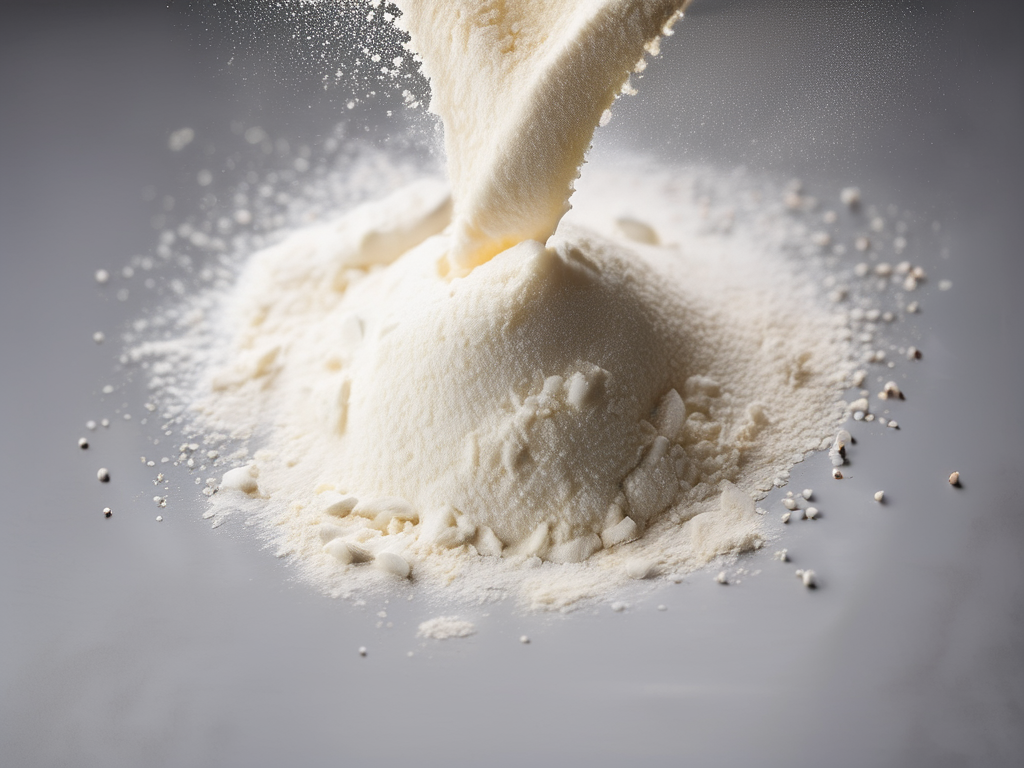
How Long Does Powdered Milk Last After the Expiration Date?
CanIEatExpired.com Team
# How Long Does Powdered Milk Last After the Expiration Date?

In today's blog post, we will delve into the topic of powdered milk and its shelf life after the expiration date. Powdered milk is a pantry staple for many households, appreciated for its long shelf life and versatility. However, like any other food product, powdered milk does come with an expiration date. But does powdered milk go bad immediately after that date? Let's find out. ([Powdered milk](https://canieatexpired.com/food/powdered-milk))

## Understanding Powdered Milk Expiration Dates

Powdered milk, also known as dry milk, is made by evaporating milk to dryness. It is available in various forms, including whole milk, skim milk, and buttermilk powder. The expiration date on powdered milk packaging indicates the manufacturer's best estimate of how long the product will retain its optimal quality.

### Factors Influencing Powdered Milk Shelf Life

Several factors can affect the shelf life of powdered milk, including:

- **Storage Conditions:** Proper storage is crucial for extending the shelf life of powdered milk.
- **Packaging:** Airtight packaging helps prevent moisture and oxygen from degrading the product.
- **Temperature:** Storing powdered milk in a cool, dry place is essential for maintaining its quality.
- **Contamination:** Exposure to moisture, heat, and contaminants can shorten the shelf life of powdered milk.

## How Long Does Powdered Milk Last After the Expiration Date?

The expiration date on powdered milk is not a strict deadline. In many cases, powdered milk remains safe to consume after the expiration date has passed. However, the quality of the product may deteriorate over time. Here are some guidelines to help you determine if your powdered milk is still good to use after the expiration date:

### Visual Inspection

- **Check for Clumping:** If the powdered milk has clumped together or developed hard lumps, it may have absorbed moisture and should be discarded.
- **Inspect for Discoloration:** Discolored or off-smelling powdered milk should not be consumed.

### Smell Test

- **Odor:** If the powdered milk has a rancid or sour smell, it is no longer safe to consume.

### Taste Test

- **Flavor:** Taste a small amount of reconstituted powdered milk to check for any off-flavors or sourness.

### Safety Precautions

- **When in Doubt, Throw It Out:** If you have any doubts about the safety or quality of powdered milk, it's best to discard it.
- **Follow Storage Guidelines:** Properly storing powdered milk can help extend its shelf life and maintain its quality.

## Tips for Extending the Shelf Life of Powdered Milk

To ensure your powdered milk stays fresh for longer, consider the following tips:

1. **Store in a Cool, Dry Place:** Keep powdered milk away from heat and moisture.
2. **Use Airtight Containers:** Transfer powdered milk to airtight containers to prevent exposure to air and moisture.
3. **Avoid Contamination:** Use clean utensils to scoop out powdered milk and minimize contamination.
4. **Rotate Stock:** Use older powdered milk first to ensure freshness.

## common situation

Let’s take a look at a few situation where understanding the shelf life of powdered milk can be particularly helpful:

### situation 1: Camping Trip

Imagine you’re preparing for a family camping trip and decide to pack powdered milk for your morning cereal. The expiration date on the container is approaching, but you remember that it can last a bit longer. You check for clumping or odors, and everything seems fine. You decide to bring it along, and the milk reconstitutes perfectly, giving you a delightful start to your day in the great outdoors.

### situation 2: Baking and Cooking

Sara, an avid baker, loves to use powdered milk in her recipes, especially when making bread. One day, she discovers an old can of powdered milk tucked away in her pantry. She hesitates because it’s past the expiration date. Instead of tossing it, she remembers to do a visual and smell check. Finding it in good condition, she uses it in her dough, resulting in a fantastic loaf that her family raves about.

### situation 3: Emergency Preparedness

John is an emergency preparedness enthusiast. He stocks up on non-perishable items, including powdered milk, knowing it can come in handy during a power outage or natural disaster. He frequently rotates his supplies, checking expiration dates and quality. When the time comes to use his powdered milk, he confidently knows that, if stored correctly, it remains safe and nutritious.

### situation 4: Cooking for a Large Group

During a community potluck, Maria decides to make a creamy potato soup that requires milk. She realizes that she forgot to buy fresh milk, but then remembers she has powdered milk stored away. After checking the date and inspecting the milk, she confidently uses it in her recipe. The soup turns out creamy and delicious, and her friends are none the wiser about the last-minute save.

## Scientific Context: Understanding Food Spoilage

The science behind food spoilage is fascinating. Powdered milk is low in moisture, which significantly slows down the growth of bacteria, yeast, and molds that typically cause spoilage in fresh dairy products. The dehydrating process helps to preserve the nutrients, including proteins, vitamins, and minerals. Additionally, the presence of antioxidants in milk can help delay rancidity when stored correctly.

### Preservation Methods

To enhance the shelf life of powdered milk, consider vacuum sealing smaller portions. This method removes air from the packaging, which is a key factor in spoilage. You can also add oxygen absorbers to the package to further extend its life. Keeping powdered milk in a dark cupboard away from light can also help maintain its quality.

If you're looking to maximize the nutritional benefits of powdered milk, consider using it in recipes that combine it with other nutrient-rich ingredients. For example, adding it to smoothies, oatmeal, or baked goods can help enhance the protein and calcium content of your meals.

## Common Mistakes People Make

Many people are unaware of the specifics regarding powdered milk and its shelf life. Here are some common misconceptions:

- **Assuming Expiration Dates Are Absolute:** One of the biggest mistakes is thinking that powdered milk is bad the moment the expiration date passes. While the date is a guideline for peak quality, many factors influence actual spoilage.
- **Ignoring Storage Conditions:** Some might store powdered milk in warm, humid environments, not realizing this accelerates spoilage. Always remember: cool and dry is best.
- **Not Performing Regular Checks:** Failing to regularly inspect long-term storage items can lead to unexpected surprises. Check your supplies periodically to ensure they are in good condition.
- **Using Old Powdered Milk Without Checking:** It’s easy to forget about older powdered milk, but jumping straight into a recipe without checking its condition can lead to disappointing results and wasted ingredients.

## Expert Insights: Recommendations for Food Safety

As a food safety expert, I cannot stress enough the importance of proper food handling. When dealing with powdered milk, it’s crucial to follow these recommendations:

- **Label and Date:** After opening a package of powdered milk, label and date it before storing. This practice helps you keep track of how long it has been open.
- **Use a Clean, Dry Scoop:** When measuring powdered milk for use, always ensure that your scoop is clean and dry. This minimizes the risk of introducing moisture or contaminants.
- **Consider Freezing:** If you have a large quantity of powdered milk that you don't plan to use right away, consider freezing it. While it may clump upon thawing, it remains safe and can still be used effectively.
- **Educate Yourself on Food Storage:** Familiarize yourself with the principles of food storage and safety. Knowing how to properly store various food items can prevent waste and ensure you're always prepared.

## Storage Methods

For optimal storage of powdered milk, consider these detailed techniques:

1. **Use Mylar Bags:** Consider repackaging powdered milk in Mylar bags with oxygen absorbers if you’re planning to store it long-term. This method can significantly extend its shelf life by reducing exposure to oxygen.
2. **Store in the Freezer:** If you live in a very humid climate, freezing powdered milk can help prevent moisture absorption. Just ensure it’s in a sealed container to protect it from moisture.
3. **Avoid Light Exposure:** Store powdered milk in a dark place, as light can degrade the quality over time. A pantry or a kitchen cabinet away from sunlight is ideal.
4. **Keep Away from Strong Odors:** Store powdered milk away from strong-smelling foods, as it can absorb odors and alter its taste.

## Conclusion

In conclusion, powdered milk can remain safe to consume after the expiration date, provided it has been stored properly and shows no signs of spoilage. By following the tips mentioned in this blog post, you can extend the shelf life of powdered milk and enjoy its benefits for longer. Remember to trust your senses and use your best judgment when determining the quality of powdered milk past its expiration date. ([Powdered milk](https://canieatexpired.com/food/powdered-milk))

## Related Posts

Here are some other articles you might find helpful:

- [Does Nonfat Dry Milk Expire?](/blog/does-nonfat-dry-milk-expire)
- [How Long Does Powdered Milk Last Unopened?](/blog/how-long-does-powdered-milk-last-unopened)
- [How Long is Powdered Milk Good for After the Expiration Date?](/blog/how-long-is-powdered-milk-good-for-after-expiration-date)
- [Comprehensive Food Storage List for 1 Year PDF](/blog/food-storage-list-for-1-year-pdf)
- [The Ultimate Guide to Long Shelf Life Foods](/blog/long-shelf-life-foods)
Authoritative Food Safety References
These agencies and university labs inform every tip and health precaution we publish.
USDAOfficial guidance
USDA FoodKeeper – Cold Storage Guidelines
Official refrigerator, freezer, and pantry timelines maintained by the U.S. Department of Agriculture.
Visit USDA FoodKeeperFDAOfficial guidance
FDA Produce Safety Rule & Grower Guidance
Field-to-fridge handling practices that prevent contamination of fruits, vegetables, and leafy greens.
Visit FDA Produce SafetyCDCOfficial guidance
CDC Foodborne Illness Prevention Hub
Surveillance-backed guidance on pathogens, symptoms, and steps to reduce foodborne illness risk.
Visit CDC Food SafetyResearchUniversity research
UC Davis Postharvest Technology Center
University research detailing optimal storage atmospheres for produce after harvest.
Visit UC Davis PostharvestResearchUniversity research
Penn State Extension – Home Food Preservation & Safety
Peer-reviewed extension bulletins on safe canning, chilling, and reheating practices.
Visit Penn State ExtensionDisclosure: As an Amazon Associate, we earn from qualifying purchases. This helps support our site and allows us to continue providing free food safety information.
Our articles are created using a combination of AI assistance and human review. All food safety information is based on USDA guidelines and credible sources. Learn more about our review process here.