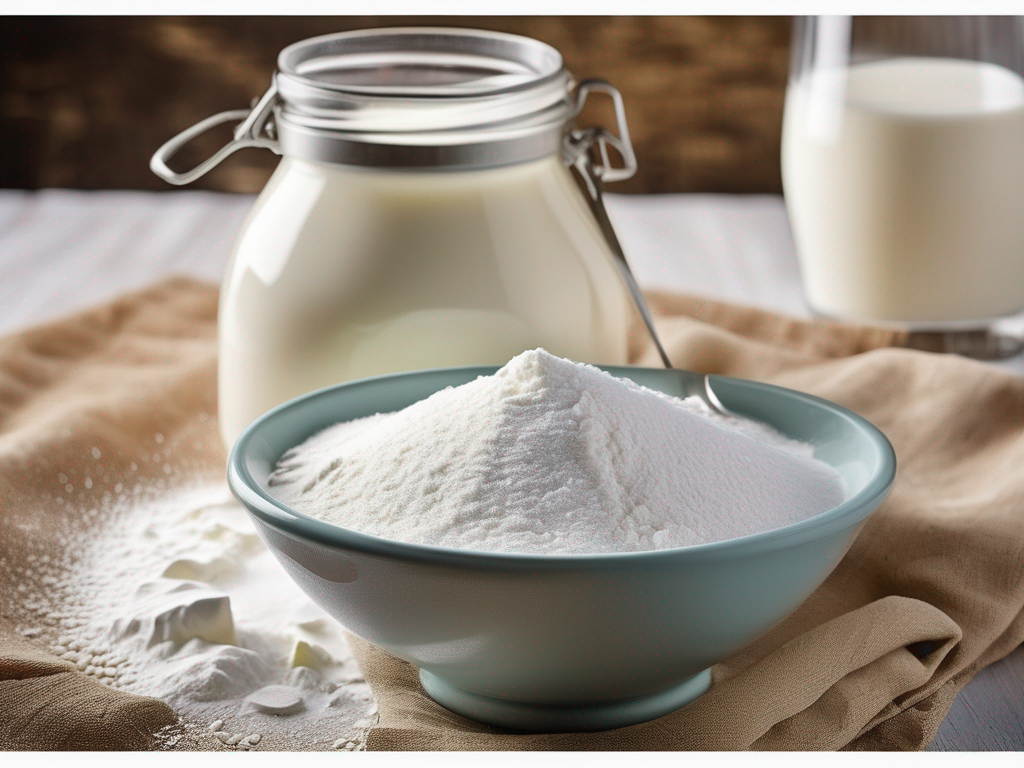
How Long is Powdered Milk Good for After the Expiration Date?
CanIEatExpired.com Team
# How Long is Powdered Milk Good for After the Expiration Date?

Powdered milk is a convenient and versatile pantry staple that many households rely on for various purposes. Whether you use it for baking, cooking, or simply as a backup for fresh milk, knowing how long powdered milk lasts after the expiration date is essential for maintaining food safety and quality. In this blog post, we will explore the shelf life of powdered milk, factors that influence its longevity, and practical tips for storage and use. ([Powdered milk](https://canieatexpired.com/food/powdered-milk))

## Understanding the Expiration Date on Powdered Milk

Powdered milk typically comes with a printed expiration date on the packaging. This date indicates the manufacturer's estimate of how long the product will retain its peak quality. It is important to note that the expiration date is not a strict deadline after which the powdered milk becomes unsafe to consume. Instead, it serves as a guideline for optimal freshness and taste.

### Factors Influencing the Shelf Life of Powdered Milk

Several factors can impact the shelf life of powdered milk, including:

1. **Storage Conditions**: Proper storage is crucial for extending the shelf life of powdered milk. Keeping it in a cool, dry place away from heat and direct sunlight can help maintain its quality.

2. **Packaging**: The type of packaging can also affect the shelf life of powdered milk. Sealed, airtight containers or pouches are more effective at preserving freshness compared to opened or damaged packaging.

3. **Temperature**: Exposure to high temperatures can cause powdered milk to deteriorate more rapidly. Storing it in a cool environment is key to prolonging its shelf life.

4. **Humidity**: Moisture can lead to clumping and spoilage of powdered milk. It is important to store it in a dry environment to prevent moisture absorption.

### How Long Can Powdered Milk Last After the Expiration Date?

While powdered milk is known for its long shelf life, it is still important to assess its quality before consumption, especially if it has exceeded the expiration date. Here are some guidelines to determine if powdered milk is still safe to use after the expiration date:

- **Check for Signs of Spoilage**: Inspect the powdered milk for any unusual odors, discoloration, or clumping. If it appears off or has a rancid smell, it is best to discard it.

- **Perform a Taste Test**: If the powdered milk looks and smells fine, you can reconstitute a small amount with water and taste it. If it tastes stale or has an off-flavor, it is better to dispose of it.

- **Consult the Manufacturer**: Some powdered milk products may have a longer shelf life than indicated on the packaging. Checking with the manufacturer or their website can provide additional guidance.

## common situation

Many people encounter situations where they wonder if their powdered milk is still good. For instance, Sarah had a busy week and forgot about a bag of powdered milk tucked away in the back of her pantry. When she discovered it weeks past the expiration date, she was uncertain if it was still safe for her baking needs. After following the guidelines mentioned above, she found the milk was still fine and successfully used it to make a delicious batch of cookies.

Similarly, Tom, a college student, often relied on powdered milk for his late-night cereal cravings. One evening, he found an old container from last semester's grocery run and wasn't sure if he should toss it. After conducting a smell check and a small taste test, he enjoyed his cereal without any issues, proving that sometimes, the best way to assess quality is through our senses.

## Scientific Context

Understanding the preservation of powdered milk requires some knowledge of food science. When milk is dehydrated, the moisture content drops significantly, which in turn reduces the risk of microbial growth that can lead to spoilage. Powdered milk's low water activity inhibits the growth of bacteria and molds, allowing it to last much longer than liquid milk.

However, once opened, exposure to air can lead to oxidation, which might can increase the likelihood of off-flavors and reduced quality over time. Nutritionally, powdered milk retains most of the nutrients found in fresh milk, but it can lose some vitamin potency, particularly vitamin A and D, if not stored properly. The longer it’s stored, especially in less-than-ideal conditions, the more likely it is to see a decline in both flavor and nutritional value.

## Tips for Storing Powdered Milk

Proper storage is key to maintaining the quality and freshness of powdered milk. Here are some practical tips for storing powdered milk effectively:

1. **Choose the Right Container**: Transfer powdered milk to an airtight container to prevent exposure to air and moisture.

2. **Keep it Cool**: Store powdered milk in a cool, dry place such as a pantry or cupboard away from heat sources.

3. **Avoid Direct Sunlight**: Exposure to sunlight can accelerate the deterioration of powdered milk. Store it in a dark area or opaque container.

4. **Use Desiccant Packs**: Placing desiccant packs in the container can help absorb excess moisture and prolong the shelf life of powdered milk.

5. **Rotate Stock**: If you buy powdered milk in bulk, use the "first in, first out" method to ensure you are always using the oldest stock first.

6. **Label and Date**: Make a habit of labeling your containers with both the purchase and expiration dates. This way, you can easily track how long your powdered milk has been stored.

## Common Mistakes

People often make mistakes when it comes to powdered milk storage and usage. One common error is not sealing the container tightly after each use. Leaving it exposed can lead to moisture absorption, resulting in clumping and spoilage. Additionally, some might assume that all powdered milk is the same; however, different brands may have varying shelf lives based on their processing methods and packaging.

Another mistake is overlooking the sensory checks. Many individuals might trust the expiration date without applying their senses. Always remember that your eyes and nose can be your best allies in food safety.

## Expert Insights

As a food safety expert, I recommend always trusting your instincts about food quality. The sensory evaluation is critical—if your powdered milk smells off or looks unusual, it’s better to err on the side of caution.

Additionally, it’s worth noting that while powdered milk can last for months or even years beyond its expiration date, the quality might not be the same as when it was fresh. So, if you’re using powdered milk for recipes that depend on precise flavors (like a delicate pastry), consider using fresher milk whenever possible.

## Safety Warnings

Although powdered milk has a long shelf life, it's essential to remember that it can still pose health risks if mishandled. Always ensure your utensils and storage containers are clean and dry before use. Cross-contamination can easily occur if you're using the same scoop for different dry goods without proper cleaning.

Moreover, be cautious about using powdered milk if you have allergies to certain milk proteins or lactose intolerance. Reconstituting it doesn’t eliminate these allergens, so be aware of your dietary needs.

## Conclusion

In conclusion, powdered milk can remain safe for consumption even after the expiration date, provided it is stored properly and shows no signs of spoilage. By understanding the factors that influence its shelf life and following best storage practices, you can enjoy the convenience of powdered milk for an extended period. Remember to use your judgment and sensory evaluation to determine the quality of powdered milk before using it in recipes or beverages.

For more information about powdered milk and other food safety tips, visit [powdered milk](/food/powdered-milk). Stay informed, stay safe, and make the most of your pantry staples! ([Powdered milk](https://canieatexpired.com/food/powdered-milk))

## Related Posts

Here are some other articles you might find helpful:

- [Comprehensive Food Storage List for 1 Year PDF](/blog/food-storage-list-for-1-year-pdf)
- [The Ultimate Guide to Long Shelf Life Foods](/blog/long-shelf-life-foods)
- [The Ultimate Guide to Foods with Long Shelf Lives](/blog/foods-with-long-shelf-lives)
- [Foods with Long Shelf Life: A Guide to Stocking Up](/blog/what-foods-have-long-shelf-life)
- [The Ultimate Guide to Foods with Longer Shelf Life](/blog/foods-with-longer-shelf-life)
Authoritative Food Safety References
These agencies and university labs inform every tip and health precaution we publish.
USDAOfficial guidance
USDA FoodKeeper – Cold Storage Guidelines
Official refrigerator, freezer, and pantry timelines maintained by the U.S. Department of Agriculture.
Visit USDA FoodKeeperFDAOfficial guidance
FDA Produce Safety Rule & Grower Guidance
Field-to-fridge handling practices that prevent contamination of fruits, vegetables, and leafy greens.
Visit FDA Produce SafetyCDCOfficial guidance
CDC Foodborne Illness Prevention Hub
Surveillance-backed guidance on pathogens, symptoms, and steps to reduce foodborne illness risk.
Visit CDC Food SafetyResearchUniversity research
UC Davis Postharvest Technology Center
University research detailing optimal storage atmospheres for produce after harvest.
Visit UC Davis PostharvestResearchUniversity research
Penn State Extension – Home Food Preservation & Safety
Peer-reviewed extension bulletins on safe canning, chilling, and reheating practices.
Visit Penn State ExtensionDisclosure: As an Amazon Associate, we earn from qualifying purchases. This helps support our site and allows us to continue providing free food safety information.
Our articles are created using a combination of AI assistance and human review. All food safety information is based on USDA guidelines and credible sources. Learn more about our review process here.