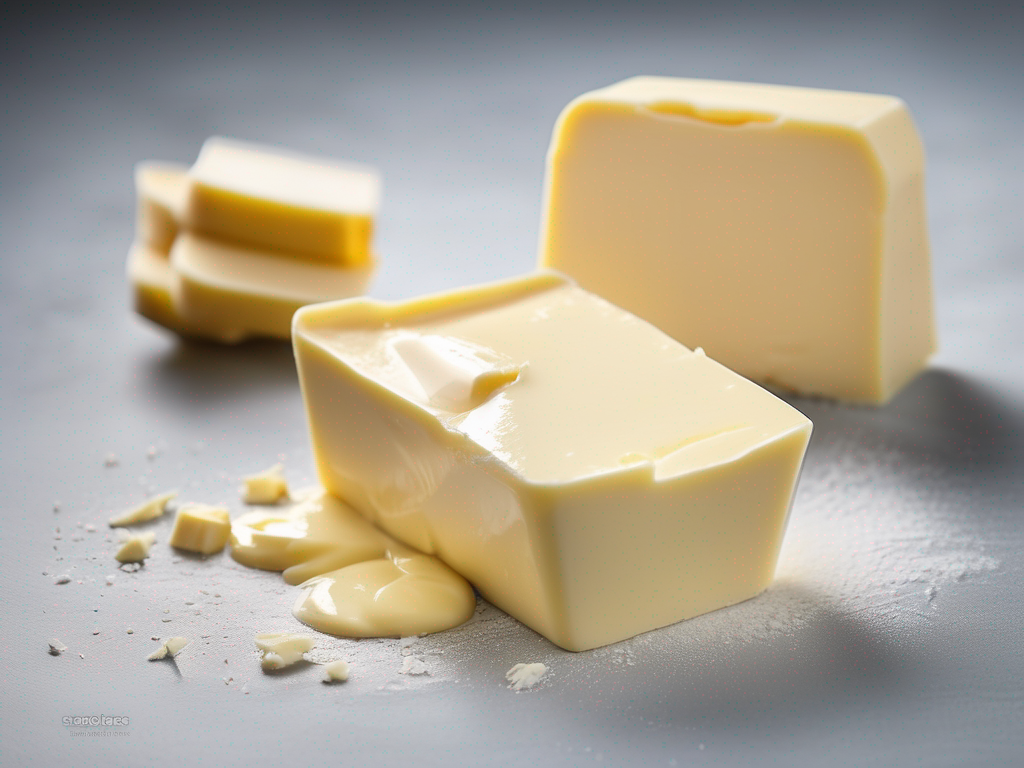
How Long is Butter Good After Expiration?
CanIEatExpired.com Team
# How Long is Butter Good After Expiration?

When it comes to food safety and storage, it's essential to know how long different products can last beyond their expiration dates. Butter is a staple ingredient in many kitchens, but what happens when it reaches its expiration date? In this comprehensive guide, we will explore how long butter is good after expiration, practical tips for storage, and safety information to keep in mind. ([Butter](https://canieatexpired.com/food/butter))

## Does Butter Expire?

Butter typically comes with a "best by" or "use by" date, indicating the recommended period for the best quality and flavor. This date is not a strict expiration date but rather a guideline for optimal freshness. After this date, the quality of butter may start to deteriorate, affecting its taste and texture.

### Factors Affecting Butter Shelf Life

Several factors can influence how long butter remains good after its expiration date:

- **Storage Conditions:** Proper storage is crucial for extending the shelf life of butter.
- **Type of Butter:** Unsalted butter tends to spoil faster than salted butter due to its lower moisture content.
- **Packaging:** Butter stored in its original packaging may last longer than butter exposed to air.
- **Temperature:** Butter should be stored at a consistent temperature to prevent spoilage.

## How Long Can Butter Last After Expiration?

While the expiration date on butter provides a guideline for freshness, butter can often be safe to consume beyond this date if stored correctly. Here are some general guidelines for how long butter can last after its expiration date:

1. **Refrigerated Butter:** Unsalted butter can typically last 1-3 weeks past its expiration date when stored in the refrigerator.
2. **Salted Butter:** Salted butter can last slightly longer, up to 4-6 weeks past its expiration date in the refrigerator.
3. **Frozen Butter:** Butter can be frozen for extended storage, lasting up to 6-9 months beyond the expiration date.

### Signs of Spoiled Butter

To determine if butter is still safe to consume after its expiration date, look out for these signs of spoilage:

- **Off Odor:** Rancid or sour smell.
- **Discoloration:** Changes in color or mold growth.
- **Texture Changes:** Unusual texture, such as greasy or slimy consistency.
- **Flavor:** Bitter or sour taste.

## common situation

Imagine you're in the middle of baking your famous chocolate chip cookies. You reach for the butter, only to realize you're staring at a block that expired two weeks ago. Do you toss it and make a trip to the store, or do you take a chance? Many home bakers have found themselves in this predicament, unsure of whether to trust the date on the package or their instincts. A good rule of thumb is to check for any signs of spoilage. If it smells and tastes fine, you're likely okay to use it, but if you're in doubt, it’s safer to err on the side of caution.

Another common situation occurs when you clean out your fridge and stumble upon that forgotten half-used stick of butter lurking behind the mustard. It’s a classic tale! Many people don’t realize that butter can still be safe to consume if it’s been stored correctly, even if it’s past the date. Always perform a quick sensory check before deciding to toss it!

Consider the case of Lisa, who had a busy week and forgot about the small container of butter she had opened. When she finally came back to it, she was unsure whether to use it or not. After checking the smell and finding no off-putting odor, she decided to spread some on her toast. To her delight, it tasted just fine! However, she learned to keep her butter at the front of the fridge next time to avoid such situations.

## Proper Storage Tips for Butter

To maximize the shelf life of butter and maintain its quality, follow these practical storage tips:

- **Refrigeration:** Store butter in the refrigerator at a consistent temperature of 40°F (4°C) or below.
- **Air-Tight Container:** Keep butter tightly wrapped or in an air-tight container to prevent absorption of odors.
- **Freezing:** If not using butter immediately, freeze it in a sealed container to extend its shelf life.
- **Avoid Temperature Fluctuations:** Keep butter away from temperature fluctuations and sunlight exposure.

### Additional Storage Techniques

Besides the basic storage tips, there are a few additional methods you might find helpful:

- **Use a Butter Bell:** For those who frequently use butter, a butter bell can keep it fresh at room temperature. These containers hold water in the base, creating an airtight seal that keeps the butter from spoiling while making it easy to spread.
- **Portion Control:** Consider cutting butter into smaller portions before storing. This can help you defrost just what you need when you're ready to use it, reducing waste.
- **Label Your Butter:** If you freeze butter, label it with the date it was frozen. This way, you can keep track of its shelf life and ensure you use the oldest stock first.

## Common Mistakes with Butter Storage

Many people make the mistake of storing butter in the door of the refrigerator, where temperatures can fluctuate more than in the main compartment. This can lead to premature spoilage. Additionally, some folks forget to reseal butter after use, allowing it to absorb unwanted odors from other foods. Always make sure to wrap it tightly after each use.

Another common error is thinking that if a product looks fine, it’s safe to eat. While appearance is important, butter can sometimes spoil without visible signs. Always trust your nose and taste buds for the final check!

I often hear about home cooks who buy butter in bulk to save money, only to find it goes bad before they can use it. Remember, even if you have several sticks in the freezer, be mindful of how often you use them and only thaw what you need.

## Expert Insights

As a food safety expert, I've found that proper storage techniques significantly extend the life of butter. Using glass containers or vacuum sealing can keep butter fresher for longer by eliminating air exposure. Additionally, if you're unsure about butter's safety, consider checking online resources or consulting a local extension service for food safety advice tailored to your region.

Notably, butter also retains its quality better when stored away from strong-smelling foods. Its fat content can easily absorb odors, which may affect the taste. So, keep your butter in a designated spot away from pungent ingredients like garlic or onions.

## Safety Information for Consuming Expired Butter

While butter can often be safe to consume after its expiration date, it's essential to exercise caution to avoid foodborne illness. Here are some safety tips to keep in mind:

- **Perform Sensory Checks:** Use your senses to determine if the butter is still safe to consume.
- **Discard If Unsure:** If in doubt about the quality or safety of butter, it's best to discard it.
- **Follow Storage Guidelines:** Adhere to proper storage practices to maintain butter quality.

It’s also worth mentioning that if you notice any unusual textures (like a grainy or gritty feel), it could indicate that the butter has gone bad. Don’t hesitate to throw it away if you notice these textural changes.

## Nutritional Considerations

It's also worth noting that butter is high in saturated fat, which, while providing a rich flavor, should be consumed in moderation within a balanced diet. It can be a source of vitamins A and D, but if you find yourself needing to use butter frequently, consider balancing it with healthier fats like olive oil or avocado.

### The Role of Butter in Cooking

Butter plays an essential role in many culinary techniques—from baking to sautéing. It acts as a flavor enhancer and texture modifier, making dishes richer and more enjoyable. Understanding how long it can last after expiration can help you utilize this versatile ingredient effectively without compromising quality.

## Conclusion

In conclusion, butter can remain safe to consume after its expiration date if stored correctly and free from signs of spoilage. By understanding how long butter can last beyond the expiration date and following proper storage practices, you can enjoy this versatile ingredient without compromising your health and safety. Remember to trust your senses and prioritize food safety when handling expired butter.

For more information on butter and other food safety tips, check out our [butter](/food/butter) section. Stay informed, stay safe, and enjoy your culinary adventures! ([Butter](https://canieatexpired.com/food/butter))

## Related Posts

Here are some other articles you might find helpful:

- [How Long Can You Eat Butter After It Expires](/blog/how-long-can-you-eat-butter-after-it-expires)
- [How Long Can You Eat Cake After the Expiration Date?](/blog/how-long-can-you-eat-cake-after-expiration-date)
- [Do Potatoes Have an Expiration Date?](/blog/do-potatoes-have-an-expiration-date)
- [Do Sticks of Butter Expire? A Comprehensive Guide to Butter Shelf Life](/blog/do-sticks-of-butter-expire)
- [How Long Does Potato Bread Last After the Expiration Date?](/blog/how-long-does-potato-bread-last-after-expiration-date)
Authoritative Food Safety References
These agencies and university labs inform every tip and health precaution we publish.
USDAOfficial guidance
USDA FoodKeeper – Cold Storage Guidelines
Official refrigerator, freezer, and pantry timelines maintained by the U.S. Department of Agriculture.
Visit USDA FoodKeeperFDAOfficial guidance
FDA Produce Safety Rule & Grower Guidance
Field-to-fridge handling practices that prevent contamination of fruits, vegetables, and leafy greens.
Visit FDA Produce SafetyCDCOfficial guidance
CDC Foodborne Illness Prevention Hub
Surveillance-backed guidance on pathogens, symptoms, and steps to reduce foodborne illness risk.
Visit CDC Food SafetyResearchUniversity research
UC Davis Postharvest Technology Center
University research detailing optimal storage atmospheres for produce after harvest.
Visit UC Davis PostharvestResearchUniversity research
Penn State Extension – Home Food Preservation & Safety
Peer-reviewed extension bulletins on safe canning, chilling, and reheating practices.
Visit Penn State ExtensionDisclosure: As an Amazon Associate, we earn from qualifying purchases. This helps support our site and allows us to continue providing free food safety information.
Our articles are created using a combination of AI assistance and human review. All food safety information is based on USDA guidelines and credible sources. Learn more about our review process here.