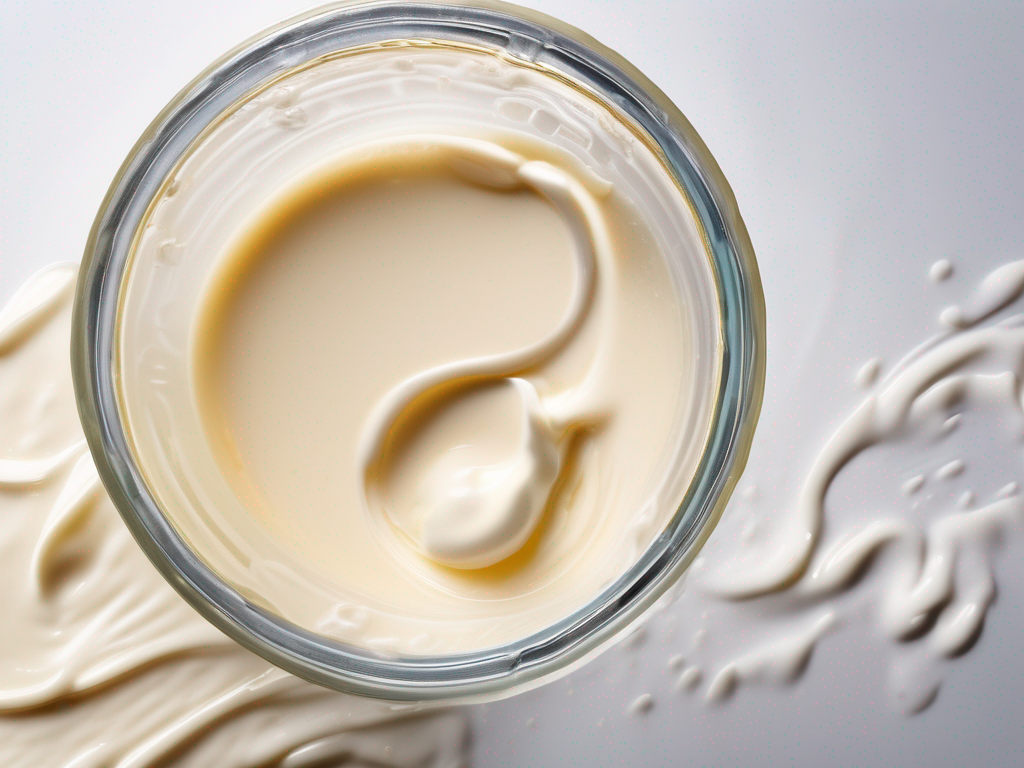
Is Evaporated Milk Safe to Use After the Expiration Date?
Is Evaporated Milk Safe to Use After the Expiration Date?
Comprehensive Guide to Evaporated Milk: Storage, Safety, and Expiration Dates
Evaporated milk is a versatile dairy product commonly used in various recipes to enhance their creaminess and richness. Understanding how to properly store, handle, and determine the expiration of evaporated milk is crucial to ensure its safety and quality. In this comprehensive guide, we will delve into the shelf life of evaporated milk, how to identify spoilage, best storage practices, and tips for using expired evaporated milk safely.
Shelf Life of Evaporated Milk
Evaporated milk is created by removing about 60% of the water content from fresh milk, giving it an extended shelf life compared to regular milk. However, it is essential to be aware of the expiration date indicated on the packaging.
Factors Affecting Shelf Life
- Storage Conditions: Proper storage plays a significant role in prolonging the shelf life of evaporated milk.
- Packaging: Canned evaporated milk tends to have a longer shelf life compared to carton-packaged varieties.
- Temperature: Maintaining a stable temperature is crucial for preserving the quality of evaporated milk.
Identifying Spoiled Evaporated Milk
Apart from checking the expiration date, there are specific signs that indicate evaporated milk has gone bad:
Dairy products require consistent cold storage to prevent spoilage and bacterial growth. A refrigerator thermometer (Amazon) helps ensure your refrigerator maintains safe temperatures (40°F or below).
Signs of Spoilage:
- Off Smell: A sour or unpleasant odor is a clear indicator of spoilage.
- Curdling: Visible separation of milk solids from the liquid.
- Unusual Color: Any discoloration, turning from white to yellow or brown.
- Mold Growth: Presence of mold on the surface of the evaporated milk.
Best Practices for Storing Evaporated Milk
Proper storage is key to maintaining the quality and safety of evaporated milk. Follow these guidelines:
Storage Tips:
- Cool Storage: Keep unopened cans in a cool, dry place away from direct sunlight.
- Refrigeration: Once opened, transfer any unused milk to an airtight container and store it in the refrigerator.
- Timely Consumption: Use opened evaporated milk within 3-4 days for optimal quality.
Using Expired Evaporated Milk
While it's recommended to adhere to expiration dates, here are some tips for using expired evaporated milk safely:
Safety Tips:
- Visual and Smell Check: Inspect for spoilage signs like off smells, curdling, or unusual color.
- Consider Storage Conditions: If stored properly and showing no spoilage signs, it may still be safe to use.
- Cooking Usage: Utilize expired evaporated milk in cooked dishes where high temperatures can eliminate harmful bacteria.
- Hygiene Practices: Maintain good hygiene when handling expired milk to prevent contamination.
common situation: When Expired Evaporated Milk Comes into Play
Consider this situation: Jane is preparing her famous pumpkin pie during the holiday season. She reaches into her pantry and pulls out a can of evaporated milk, only to find that it expired last month. Instead of tossing it, she remembers some of the guidelines she read about using expired products. She checks the can for any signs of spoilage and, noticing it's in perfect condition, she decides to use it for her pie, trusting her senses.
After opening, transferring dairy into an airtight container (Amazon) can reduce odor absorption, limit moisture exposure, and help slow bacterial growth.
In another example, Tom is in a pinch while making a creamy pasta sauce. He discovers a half-open carton of evaporated milk that he thought he had thrown away but is now a week past the expiration date. Feeling uneasy, he recalls a friend telling him that a lot of dairy products can still be safe if they haven't shown any signs of spoilage. Tom inspects the milk closely, sees no curdling, and gives it a little sniff. It smells fine, so he uses it. The sauce turns out delicious, and he feels relieved he didn’t waste the milk!
These situations highlight how understanding the nuances of food safety can help prevent food waste and enhance our cooking experiences.
Scientific Context: The Preservation of Evaporated Milk
To appreciate why evaporated milk has a relatively long shelf life, it's helpful to understand the science behind its preservation. The process of evaporation not only reduces water content but also concentrates the nutrients and flavors. The removal of water creates an environment less conducive to the growth of microorganisms that typically cause spoilage.
Moreover, canned evaporated milk undergoes a sterilization process during canning, which involves heating to eliminate harmful bacteria. This is why unopened cans can last for months or even years beyond their expiration date if stored properly. Generally, the USDA suggests that canned evaporated milk can be safely consumed for up to a year after the expiration date if the can is intact and there are no signs of spoilage.
Practical Tips for Using Evaporated Milk
Here are some additional tips to ensure you are getting the most out of your evaporated milk:
- Mix It Up: If you're using evaporated milk in a recipe that requires heavy cream or half-and-half, you can create a substitute by mixing equal parts of evaporated milk and water.
- Flavor Enhancements: Evaporated milk can be enhanced with spices or flavorings. Consider adding vanilla extract, cinnamon, or nutmeg to elevate your recipes.
- Freezing Options: If you find yourself with an excess of evaporated milk, you can freeze it for later use. Pour it into an ice cube tray to create convenient portions. Just remember to use it within 3 months for the best quality.
Common Mistakes When Using Evaporated Milk
Many people don’t realize that they might be misusing evaporated milk. Here are some common pitfalls:
- Not Checking Expiration Dates: It's easy to overlook the expiration date on a product, especially if it's tucked away in the back of a pantry. Always double-check before using.
- Assuming All Dairy is the Same: Some people may treat evaporated milk like regular milk, using it in raw applications without cooking. Remember that evaporated milk is concentrated, and its flavor profile differs from fresh milk.
- Ignoring Opened Can Shelf Life: Once opened, evaporated milk requires prompt refrigeration and should be consumed within a few days. Many mistakenly think it has the same shelf life as unopened cans.
Expert Insights: Recommendations from Food Safety Professionals
Food safety experts recommend that if you are ever in doubt about the safety of your evaporated milk (or any dairy product), the best course of action is to err on the side of caution. Proper hygiene and food handling practices can also minimize risks. For example, always wash your hands before handling food and ensure utensils and containers are clean.
Additionally, Food safety guidance from public health agencies, a noted food safety specialist, suggests that consumers should familiarize themselves with the “sniff test.” Many people underestimate their senses. If something smells off, it's likely not safe to consume. “Trust your instincts,” she says. “Our senses are our first line of defense.”
Safety Warnings: Important Considerations
While using expired evaporated milk can sometimes be safe, there are important cautionary notes to keep in mind:
- Compromised Packaging: If the can is bulging, leaking, or has rust, do not consume it. These are signs that bacteria may have entered.
- High-Risk Groups: Pregnant women, young children, the elderly, and those with compromised immune systems should be particularly cautious and avoid using expired products altogether.
- Cooking Thoroughly: If using expired evaporated milk, ensure that it is heated through in cooking – this will help eliminate any pathogens that could be present.
Conclusion
In conclusion, understanding the shelf life, signs of spoilage, proper storage, and safe usage of evaporated milk are essential for maintaining food safety. By following the recommendations outlined in this guide, you can enjoy the versatility of evaporated milk in your recipes while ensuring its freshness and quality. Always prioritize food safety, trust your senses, and discard any questionable products. With these practices in place, you can confidently incorporate evaporated milk into your culinary creations.
For more information on evaporated milk and additional food safety tips, visit our evaporated milk section for regular updates and insights.
Related Posts
- Can Canned Milk Go Bad?
- Understanding Condensed Milk Expiry: How Long Does It Last?
- Is Evaporated Milk Safe to Use After the Expiration Date?
- Making Sense of Expiration Dates on Evaporated Milk
- Is Sweetened Condensed Milk Good After the Expiration Date?
- The Ultimate Guide to Canned Evaporated Milk Expiration
Authoritative Food Safety References
These agencies and university labs inform every tip and health precaution we publish.
USDA FoodKeeper – Cold Storage Guidelines
Official refrigerator, freezer, and pantry timelines maintained by the U.S. Department of Agriculture.
Visit USDA FoodKeeperFDA Produce Safety Rule & Grower Guidance
Field-to-fridge handling practices that prevent contamination of fruits, vegetables, and leafy greens.
Visit FDA Produce SafetyCDC Foodborne Illness Prevention Hub
Surveillance-backed guidance on pathogens, symptoms, and steps to reduce foodborne illness risk.
Visit CDC Food SafetyUC Davis Postharvest Technology Center
University research detailing optimal storage atmospheres for produce after harvest.
Visit UC Davis PostharvestPenn State Extension – Home Food Preservation & Safety
Peer-reviewed extension bulletins on safe canning, chilling, and reheating practices.
Visit Penn State ExtensionFrequently Asked Questions
Is evaporated milk safe to use after the expiration date has passed?
How should evaporated milk be stored to ensure its safety and quality?
Can evaporated milk be frozen to extend its shelf life?
What are the signs that evaporated milk has gone bad?
Can evaporated milk be used in recipes past the expiration date?
Citations
Disclosure: As an Amazon Associate, we earn from qualifying purchases. This helps support our site and allows us to continue providing free food safety information.