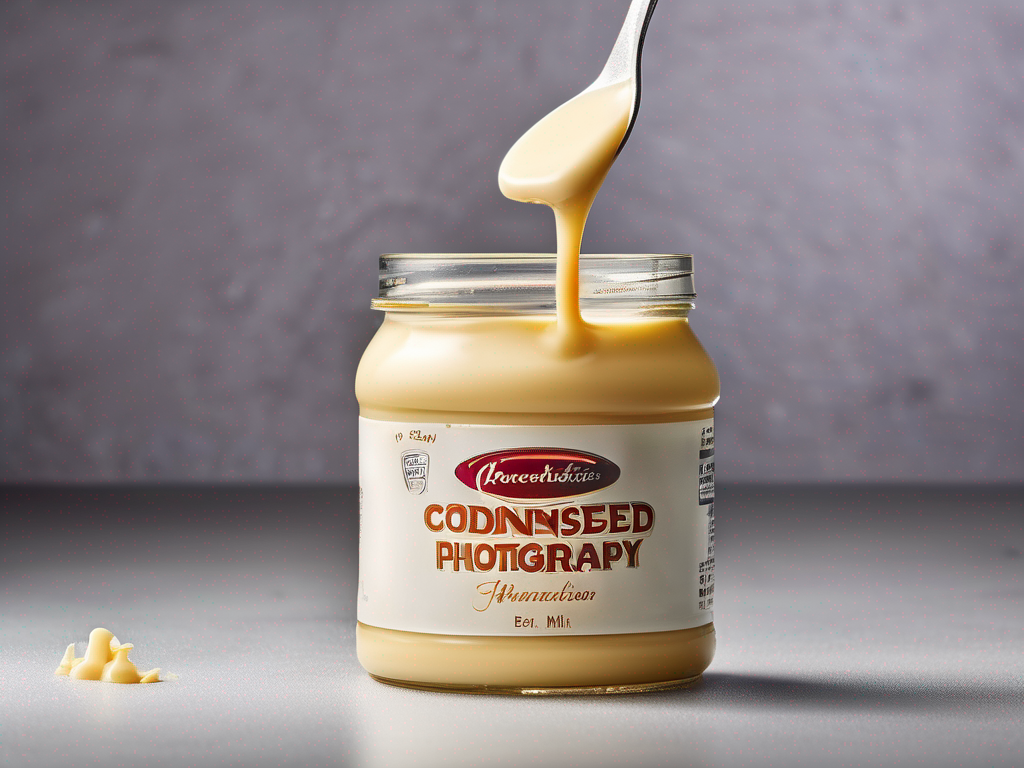
Understanding Condensed Milk Expiry: How Long Does It Last?
CanIEatExpired.com Team
# Understanding Condensed Milk Expiry: How Long Does It Last?

Condensed milk is a popular dairy product known for its rich and sweet flavor, making it a versatile ingredient in various recipes. Whether you use it in desserts, coffee, or savory dishes, it's essential to understand how long condensed milk lasts and how to store it properly to ensure food safety. ([Condensed milk](https://canieatexpired.com/food/condensed-milk))

## What is Condensed Milk?

Condensed milk is cow's milk from which water has been removed and sugar added, creating a thick, sweetened product. It has a long shelf life due to the sugar content, which acts as a preservative. Condensed milk is commonly used in baking, making beverages, and creating creamy desserts.

### The Composition of Condensed Milk

- **Milk**: The main ingredient is cow's milk.
- **Sugar**: Added to sweeten the product and act as a preservative.
- **Vitamins and Minerals**: Condensed milk retains some of the nutrients found in cow's milk.

## Does Condensed Milk Expire?

Condensed milk does have an expiration date, and it's crucial to check the packaging for this information. However, the shelf life of condensed milk can vary based on several factors:

### Factors Affecting Condensed Milk Shelf Life

1. **Unopened vs. Opened**: Unopened cans or tubes of condensed milk have a longer shelf life compared to opened ones.
2. **Storage Conditions**: Proper storage is key to extending the shelf life of condensed milk.
3. **Type of Condensed Milk**: Sweetened condensed milk typically lasts longer than unsweetened varieties due to the sugar content.

### Shelf Life of Condensed Milk

- **Unopened**: Can last up to 1-2 years past the expiration date.
- **Opened**: Best consumed within 2 weeks when refrigerated.
- **Homemade**: Consume within 3-5 days when stored in the refrigerator.

## How to Store Condensed Milk Properly

Proper storage is essential to maintain the quality and safety of condensed milk. Follow these tips to ensure your condensed milk stays fresh:

### Storage Tips

1. **Unopened Cans or Tubes**:
   - Store in a cool, dry place away from direct sunlight.
   - Avoid storing near heat sources.

2. **Opened Condensed Milk**:
   - Transfer to an airtight container.
   - Refrigerate at all times.

3. **Homemade Condensed Milk**:
   - Store in a clean, airtight container.
   - Label with the preparation date.

## Safety Precautions When Using Condensed Milk

While condensed milk is a delicious addition to many recipes, it's important to follow safety guidelines when handling and consuming it:

### Safety Tips

- **Do Not Consume Spoiled Milk**: If condensed milk shows signs of spoilage, such as an off smell or appearance, discard it.
- **Avoid Contamination**: Use clean utensils when scooping out condensed milk to prevent contamination.
- **Check Expiry Date**: Always check the expiration date before using condensed milk in recipes.

## common situation

Consider Sarah, an avid baker who loves making tres leches cake for her family gatherings. She often buys a few cans of condensed milk, but during one busy holiday season, she forgot about the last can sitting in the back of her pantry. When she finally pulled it out, it was well past the expiration date. Sarah hesitated but decided to taste it. It still seemed okay, but she remembered the safety rules about consuming expired products. Instead of risking it, she opted to buy a new can for her cake, valuing her family's health over a few dollars.

In another instance, John, a coffee enthusiast, frequently adds condensed milk to his morning brew. He opened a can a few weeks ago but never finished it. When he checked the fridge, he found the can sitting in a Tupperware container that wasn’t airtight. The milk had developed a funky smell, and John realized he had been using a spoon to scoop it out directly from that container. He learned the hard way that proper storage is essential and vowed to be more careful in the future.

Let’s also look at Maria, who often uses condensed milk to make her famous flan. One day, she decided to make a batch for a potluck. She reached for a can that she had opened the previous week. Not remembering when she had last used it, she hesitated. Instead of assuming it was still good, she smelled it first. The smell was off, and she quickly tossed it to avoid any risk of foodborne illness. Maria learned to always label her opened cans with dates, ensuring she never finds herself in that situation again.

## Scientific Context

Condensed milk’s long shelf life is largely due to its high sugar content, which inhibits the growth of microorganisms. Sugar acts as a preservative by drawing moisture out of potential bacteria. However, it’s important to note that the sugar does not kill bacteria; it merely slows down their growth. This means that even if condensed milk appears intact after its expiration date, it’s essential to check for any off flavors or signs of spoilage.

When it comes to homemade condensed milk, the lack of preservatives means it won't have the same lifespan as commercially produced varieties. This also highlights the importance of hygiene when making and storing your own condensed milk. Using thoroughly cleaned utensils and containers will help prolong its freshness.

### Nutritional Considerations

Condensed milk is not just a sweet treat; it's also a source of calories and some nutrients. A typical serving contains a significant amount of sugar and fat, so moderation is key for those watching their intake. However, it also provides calcium and carbohydrates, which can be beneficial in certain recipes. When using condensed milk in your cooking, consider balancing it with fresh ingredients like fruits or nuts to enhance the nutritional profile of your meal.

## Common Mistakes

One of the most common misunderstandings regarding condensed milk is the assumption that it can last indefinitely. Many people think that if it doesn’t show visible signs of spoilage, it’s safe to consume, even past the expiration date. This isn't always true. Always consider the conditions under which the milk was stored. If there’s any doubt about its safety, it's best to err on the side of caution and discard it.

Another mistake people often make is not transferring opened condensed milk into an airtight container. Leaving it in the open can cause it to absorb odors from the refrigerator, which can affect its flavor. Proper sealing can maintain its quality longer and prevent cross-contamination.

Additionally, many don’t realize that condensation can form on the inside of metal cans once opened, leading to rust if left for too long. It's advisable to pour any unused condensed milk into a clean container after opening.

## Practical Tips

Here are some practical tips to ensure you keep your condensed milk fresh and safe:

- **Use Ice Cube Trays**: If you find yourself with leftover condensed milk, consider pouring it into an ice cube tray and freezing it. Once frozen, you can transfer the cubes to a freezer-safe bag. This way, you have portioned amounts ready for future recipes!

- **Date Your Containers**: When you open a new can, date the airtight container. This simple practice helps keep track of how long it’s been opened and ensures you use it within the recommended time frame.

- **Repurpose Leftovers**: If you have leftover condensed milk from a recipe, consider using it in coffee, drizzling it over fruits, or incorporating it into smoothies for added creaminess.

- **Make Sweet Sauces**: Use condensed milk to create sweet sauces that can be drizzled over pancakes, waffles, or ice cream. Just heat it gently with a bit of vanilla extract for a delightful treat!

## Expert Insights

Food safety professionals recommend always prioritizing good hygiene practices when handling food products, particularly those that have a longer shelf life like condensed milk. It’s advisable to practice the "first in, first out" rule—consume the older products before the newer ones to minimize waste and ensure freshness.

Additionally, if you’re ever unsure about the safety of a food item, it’s a good idea to consult resources from trusted food safety organizations or local health departments. They can provide valuable information on safe food handling and storage practices.

Moreover, consider diversifying your recipes using condensed milk. It can be a fantastic addition to savory dishes as well, such as creamy sauces or marinades, which can help reduce waste and ensure you utilize every last drop.

## Conclusion

Understanding the shelf life of condensed milk and proper storage practices is essential for maintaining food safety and quality. By following the tips outlined in this guide, you can enjoy the rich flavor of condensed milk in your favorite dishes while ensuring its freshness. Remember to check the expiration date, store it correctly, and discard any spoiled or expired condensed milk to safeguard your health. [Learn more about condensed milk here](/food/condensed-milk). ([Condensed milk](https://canieatexpired.com/food/condensed-milk))

## Related Posts

Here are some other articles you might find helpful:

- [Is Coffee Still Good After the Expiration Date?](/blog/is-coffee-still-good-after-expiration-date)
- [Is Evaporated Milk Safe to Use After the Expiration Date?](/blog/is-evaporated-milk-ok-after-expiration-date)
- [Making Sense of Expiration Dates on Evaporated Milk](/blog/expiration-date-evaporated-milk)
- [Is Sweetened Condensed Milk Safe to Use After Expiration Date?](/blog/how-long-is-sweetened-condensed-milk-good-for-after-expiration)
- [How Long Is Evaporated Milk Good Past the Expiration Date](/blog/how-long-is-evaporated-milk-good-past-the-expiration-date)
Authoritative Food Safety References
These agencies and university labs inform every tip and health precaution we publish.
USDAOfficial guidance
USDA FoodKeeper – Cold Storage Guidelines
Official refrigerator, freezer, and pantry timelines maintained by the U.S. Department of Agriculture.
Visit USDA FoodKeeperFDAOfficial guidance
FDA Produce Safety Rule & Grower Guidance
Field-to-fridge handling practices that prevent contamination of fruits, vegetables, and leafy greens.
Visit FDA Produce SafetyCDCOfficial guidance
CDC Foodborne Illness Prevention Hub
Surveillance-backed guidance on pathogens, symptoms, and steps to reduce foodborne illness risk.
Visit CDC Food SafetyResearchUniversity research
UC Davis Postharvest Technology Center
University research detailing optimal storage atmospheres for produce after harvest.
Visit UC Davis PostharvestResearchUniversity research
Penn State Extension – Home Food Preservation & Safety
Peer-reviewed extension bulletins on safe canning, chilling, and reheating practices.
Visit Penn State Extension❓
Frequently Asked Questions
Can condensed milk go bad?
Yes, condensed milk can go bad if not stored properly or past its expiration date. Signs of spoilage include a sour smell, off-color, or unusual texture. It is recommended to discard any condensed milk that shows these signs.
How should condensed milk be stored?
Condensed milk should be stored in a cool, dry place away from direct sunlight and heat sources. Once opened, it is best to transfer any remaining contents to an airtight container and refrigerate. This will help prolong its shelf life and maintain its quality.
Can condensed milk be frozen?
Yes, condensed milk can be frozen for extended storage. Simply transfer the contents to a freezer-safe container, leaving some room for expansion, and freeze. Thaw in the refrigerator before using and stir well to restore its original consistency.
Is it safe to use condensed milk past its expiration date?
It is not recommended to use condensed milk past its expiration date as it may pose a risk of foodborne illness. Always check the expiration date and discard any expired products to ensure your safety and enjoyment of the product.
📚
Citations
Disclosure: As an Amazon Associate, we earn from qualifying purchases. This helps support our site and allows us to continue providing free food safety information.
Our articles are created using a combination of AI assistance and human review. All food safety information is based on USDA guidelines and credible sources. Learn more about our review process here.