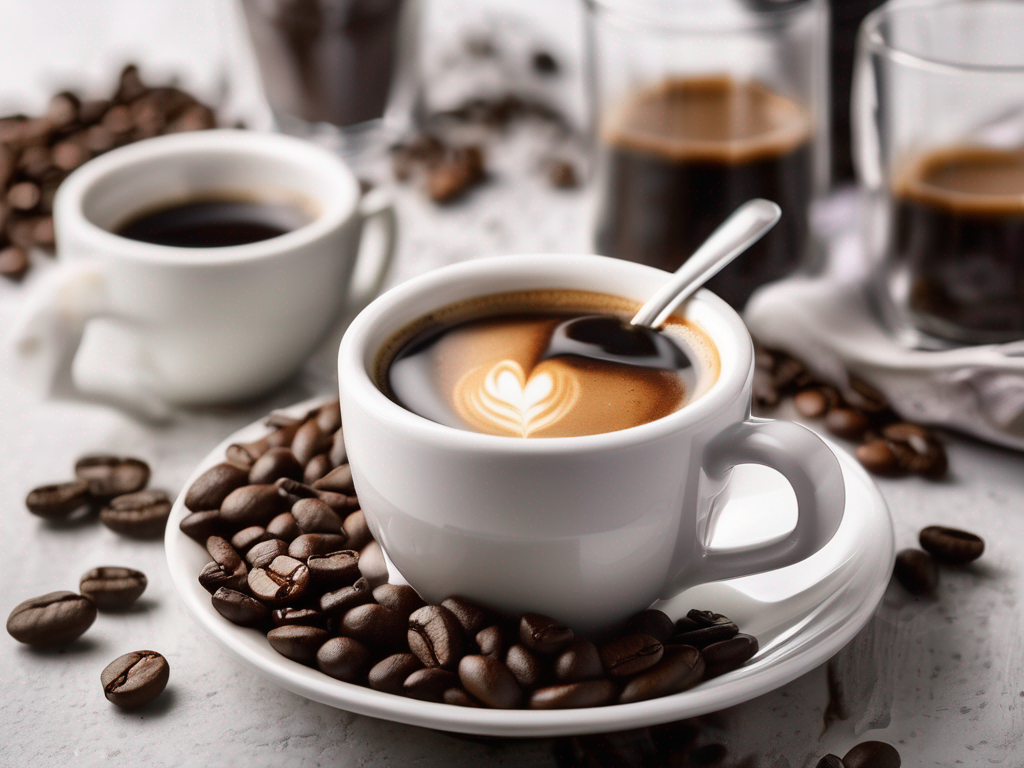
Is Coffee Still Good After the Expiration Date?
CanIEatExpired.com Team
# Is Coffee Still Good After the Expiration Date?

In the world of coffee enthusiasts, the debate over whether coffee is still good after its expiration date is a common one. Many people believe that coffee can last indefinitely, while others swear by the freshness of recently roasted beans. In this blog post, we will explore the truth behind coffee expiration dates and provide you with practical tips on how to ensure the best quality and safety of your beloved brew. ([Coffee](https://canieatexpired.com/food/coffee))

## Understanding Coffee Expiration Dates

Coffee, like many other food products, comes with an expiration date printed on its packaging. This date is determined by the manufacturer based on various factors such as the roast date, packaging method, and expected shelf life of the product. However, it's essential to understand that the expiration date on coffee is more about quality rather than safety.

### Factors Affecting Coffee Freshness

- **Roast Date:** Freshly roasted coffee beans will have the best flavor and aroma.
- **Packaging:** Coffee stored in airtight containers or vacuum-sealed bags will stay fresher longer.
- **Storage Conditions:** Proper storage in a cool, dark place away from heat and moisture is crucial.

## Is Expired Coffee Safe to Drink?

While coffee may not necessarily "go bad" in the same way that perishable foods do, it can lose its flavor and aroma over time. Drinking expired coffee is generally safe, but the taste may be stale or bitter. However, if you notice any signs of mold, unusual odors, or off-flavors, it's best to discard the coffee to avoid any potential health risks.

### Signs of Spoiled Coffee

- **Mold:** Visible mold growth on coffee beans or grounds.
- **Off-Flavors:** Rancid or sour taste and smell.
- **Unusual Odors:** Strong, unpleasant odors that are not typical of coffee.

## common situation

Many coffee lovers have found themselves wondering about the quality of their coffee long after the expiration date has passed. Let’s explore a couple of relatable situation:

1. **The College Student Dilemma:** Common situations include college student who buys a bag of coffee at the beginning of the semester. With classes, assignments, and social events, coffee is often the last thing on their mind. A few months later, they stumble upon a half-opened bag of coffee in their cupboard. It’s past the expiration date, but it still smells okay. Should they brew a cup? Many would opt to take the plunge, realizing that the worst that could happen is a rather dull cup of coffee. In this case, they might find that while the drink isn’t as vibrant as it once was, it’s still enjoyable.

2. **The Coffee Snob’s Challenge:** On the other end of the spectrum, consider the devoted coffee aficionado who meticulously tracks roast dates and spends weekends sampling various single-origin coffees. After a week-long trip, they return to find an unopened bag of premium coffee beyond its expiration date. In this case, they may be more hesitant to brew it, fearing that the subtle notes of flavor they cherish have faded. They decide to conduct a smell test first, and if all seems fine, they brew a small amount to assess the flavor.

3. **The Office Coffee Conundrum:** Picture a busy office where a communal bag of coffee sits in the break room. Employees come and go, brewing cup after cup. One day, someone notices that the bag is over a month past its expiration date. The office manager is faced with a decision: toss it or continue to use it? After a short discussion, they decide to brew a cup and see how it tastes. To everyone’s surprise, it’s still decent! However, they agree to start labeling new bags with the date they’re opened to avoid this situation in the future.

These situation highlight the varying perspectives on coffee expiration dates and how personal experiences can shape our decisions.

## Tips for Extending the Shelf Life of Coffee

To ensure that your coffee stays fresh and flavorful for as long as possible, consider the following tips:

1. **Store Properly:** Keep your coffee in an airtight container in a cool, dark place.
2. **Use Whole Beans:** Grind your coffee beans just before brewing to preserve freshness.
3. **Avoid Moisture:** Keep coffee away from moisture as it can cause mold growth.
4. **Buy in Small Quantities:** Purchase coffee in amounts that you can consume within a reasonable time frame.
5. **Freeze for Long-Term Storage:** If you buy in bulk, consider freezing coffee beans to extend their shelf life. Just make sure to use an airtight container to prevent freezer burn, and only take out what you need to avoid repeated thawing and refreezing.

### Additional Storage Techniques

- **Use a Coffee Canister:** Invest in a dedicated coffee canister with a CO2 valve. These canisters allow gases released by fresh coffee to escape without letting air in, maintaining freshness longer.
- **Avoid Sunlight:** If you have a transparent container, consider wrapping it in a cloth or storing it in a cabinet to block out light, which can degrade coffee quality.
- **Keep Away from Strong Odors:** Coffee can absorb odors from its environment. Make sure to store it away from spices, onions, or anything with a strong smell.

## Scientific Context

Understanding the science behind coffee expiration can also shed light on why certain practices are recommended. Coffee beans contain oils, sugars, and other compounds that contribute to their aroma and flavor. Over time, exposure to air, light, and moisture can cause these compounds to degrade, resulting in a stale taste.

A study published in the journal *Food Quality and Preference* found that the freshness of coffee significantly impacts sensory perception. Fresh coffee is often described as having more complex flavors and aromas, while aged coffee tends to taste flat or bitter. Therefore, while expired coffee may not pose a health risk, the sensory experience can be compromised.

Moreover, the Maillard reaction, which occurs during the roasting process, contributes to coffee's rich flavors. Over time, the compounds formed during roasting can break down; thus, the longer the coffee is stored, particularly in poor conditions, the more these flavors dissipate.

## How to Tell If Your Coffee Has Gone Bad

If you're unsure whether your coffee is still good to drink, here are some simple tests you can perform:

- **Visual Inspection:** Check for any signs of mold or unusual discoloration.
- **Smell Test:** Take a whiff of the coffee to detect any off-putting odors.
- **Taste Test:** Brew a small amount of coffee and taste it to determine if the flavor is still acceptable.

### Common Mistakes

It's easy to make mistakes when it comes to coffee storage. Here are some common pitfalls to avoid:

- **Storing Coffee in the Fridge:** Many people think refrigerating coffee will keep it fresh longer; however, the humidity in the fridge can actually harm the beans. Instead, opt for a cool, dark pantry.
- **Buying Pre-Ground Coffee:** Pre-ground coffee can lose its flavor quickly due to increased exposure to air. If you want the best taste, invest in a good grinder.
- **Leaving the Bag Open:** After opening a bag of coffee, many forget to seal it properly. Always ensure your coffee is sealed tightly to prevent oxidation.
- **Ignoring Packaging:** Coffee bags often come with a one-way valve to release gases. Using bags with this feature can help keep the coffee fresh longer compared to regular bags.

## Expert Insights

Food safety experts recommend not just relying on expiration dates but also understanding the quality indicators of coffee. The Specialty Coffee Association emphasizes the importance of freshness in coffee, noting that consumers should aim to use coffee within two to four weeks of the roast date for the best experience.

Additionally, if you’re ever in doubt, consult your local barista or coffee roaster for insights on how to best store and enjoy your coffee, as they can provide tailored recommendations based on the specific beans you purchase.

It’s also worth noting that different types of coffee have different shelf lives. For instance, flavored coffees may not last as long due to the added oils from flavoring agents. Always pay attention to storage recommendations based on the type of coffee you buy.

## Conclusion

In conclusion, coffee can still be safe to drink after its expiration date, but the quality may deteriorate over time. By following proper storage practices and paying attention to signs of spoilage, you can enjoy fresh and delicious coffee for longer. Remember that freshness is key when it comes to coffee, so prioritize buying and consuming coffee within a reasonable time frame for the best experience. Cheers to a perfect cup of coffee every time!

For more information on coffee and other food-related topics, visit our [coffee](/food/coffee) page. ([Coffee](https://canieatexpired.com/food/coffee))

## Related Posts

Here are some other articles you might find helpful:

- [The risks and considerations of Eating Expired Condensed Milk](/blog/what-happens-if-you-eat-expired-condensed-milk)
- [Does Coffee Have an Expiry Date?](/blog/does-coffee-have-expiry-date)
- [How Long Is Powdered Coffee Creamer Good For After Expiration?](/blog/how-long-is-powdered-coffee-creamer-good-for-after-expiration)
- [The Shelf Life of Canned Milk: Everything You Need to Know](/blog/shelf-life-of-canned-milk)
- [Préservation de la Fraîcheur des Grains de Café Arabica : Conseils et Astuces](/blog/how-can-i-preserve-the-freshness-of-arabica-coffee-beans)
Authoritative Food Safety References
These agencies and university labs inform every tip and health precaution we publish.
USDAOfficial guidance
USDA FoodKeeper – Cold Storage Guidelines
Official refrigerator, freezer, and pantry timelines maintained by the U.S. Department of Agriculture.
Visit USDA FoodKeeperFDAOfficial guidance
FDA Produce Safety Rule & Grower Guidance
Field-to-fridge handling practices that prevent contamination of fruits, vegetables, and leafy greens.
Visit FDA Produce SafetyCDCOfficial guidance
CDC Foodborne Illness Prevention Hub
Surveillance-backed guidance on pathogens, symptoms, and steps to reduce foodborne illness risk.
Visit CDC Food SafetyResearchUniversity research
UC Davis Postharvest Technology Center
University research detailing optimal storage atmospheres for produce after harvest.
Visit UC Davis PostharvestResearchUniversity research
Penn State Extension – Home Food Preservation & Safety
Peer-reviewed extension bulletins on safe canning, chilling, and reheating practices.
Visit Penn State Extension❓
Frequently Asked Questions
Is it safe to drink coffee after the expiration date?
Yes, it is generally safe to drink coffee after the expiration date as long as it has been stored properly. The expiration date is more of a guideline for peak freshness rather than an indication of safety. Just make sure to check for any signs of spoilage, such as a strange odor or mold growth, before consuming.
How can I tell if my coffee has gone bad?
You can tell if your coffee has gone bad by checking for any unusual smells, mold growth, or a rancid taste. If your coffee looks or smells off, it's best to discard it to avoid any potential health risks. Proper storage in an airtight container in a cool, dark place can help extend the shelf life of your coffee.
Can expired coffee make you sick?
While drinking expired coffee may not necessarily make you sick, it can taste stale or unpleasant due to the loss of flavor compounds over time. However, if your coffee shows signs of spoilage, such as mold growth or a foul odor, it's best to avoid consuming it to prevent any potential foodborne illnesses. Always use your best judgment when deciding whether to drink expired coffee.
How long can I keep coffee after the expiration date?
The shelf life of coffee can vary depending on factors such as the type of coffee, how it is stored, and the packaging. In general, whole bean coffee can last for up to 6 months past the expiration date, while ground coffee may last for 3-5 months. To prolong the freshness of your coffee, store it in an airtight container in a cool, dark place away from heat and moisture.
Can I still enjoy the full flavor of coffee after it has expired?
While the flavor of coffee may diminish over time after the expiration date, it is still possible to enjoy a decent cup of coffee if it has been stored properly. To enhance the flavor of older coffee, try brewing it using methods such as cold brew or French press to extract the most flavor. Experiment with different brewing techniques to find the best way to enjoy your expired coffee.
Disclosure: As an Amazon Associate, we earn from qualifying purchases. This helps support our site and allows us to continue providing free food safety information.
Our articles are created using a combination of AI assistance and human review. All food safety information is based on USDA guidelines and credible sources. Learn more about our review process here.