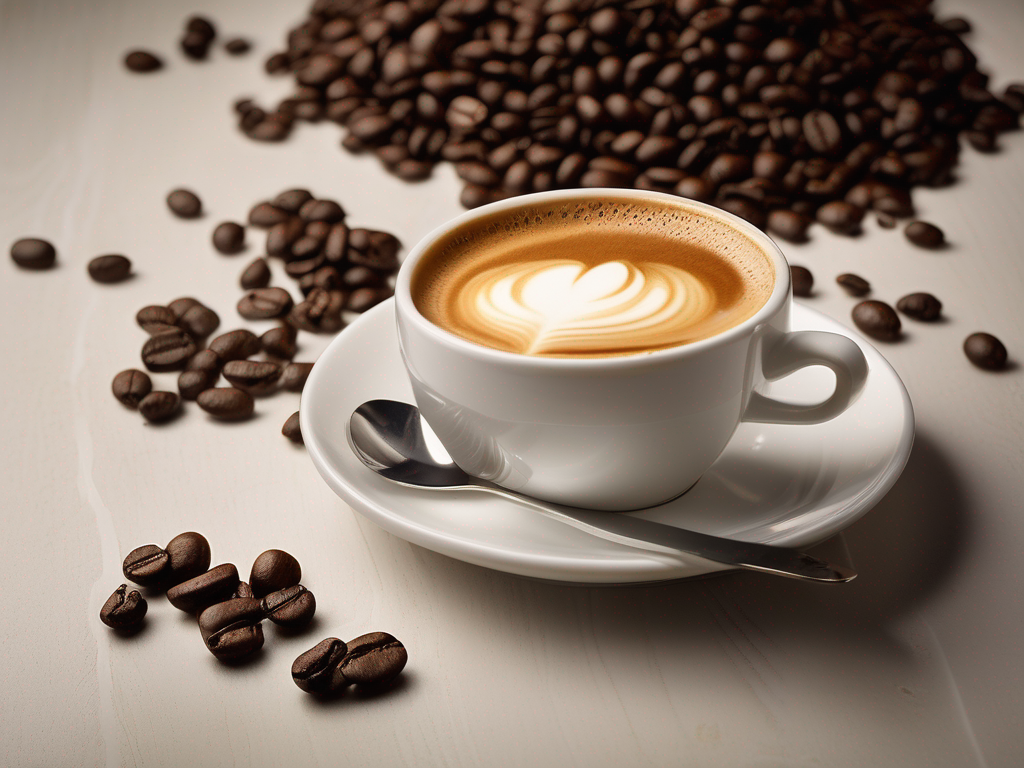
Does Coffee Have an Expiry Date?
CanIEatExpired.com Team
# Does Coffee Have an Expiry Date?

Coffee is a beloved beverage enjoyed by millions of people around the world. Whether you prefer a hot cup of black coffee in the morning or a refreshing iced latte in the afternoon, coffee is a staple in many people's daily routines. But have you ever wondered if coffee can go bad or expire? In this blog post, we will explore the shelf life of coffee, how to store it properly, and whether or not coffee actually has an expiry date. ([Coffee](https://canieatexpired.com/food/coffee))

## The Shelf Life of Coffee

Coffee, in its whole bean or ground form, does not technically expire in the same way that perishable foods do. However, coffee can lose its freshness and flavor over time if not stored properly. The shelf life of coffee depends on various factors, including the type of coffee and how it is stored.

### Factors Affecting Coffee Shelf Life

Several factors can affect the shelf life of coffee, including:

1. **Roast Date:** Freshly roasted coffee beans have the best flavor profile and aroma. As coffee beans age, they gradually lose their freshness and flavor.
2. **Exposure to Air:** Oxygen is one of the main culprits in causing coffee to go stale. When coffee beans or grounds are exposed to air, they can oxidize, leading to a loss of flavor.
3. **Exposure to Light:** Light can also degrade the quality of coffee over time. It's best to store coffee in a dark, cool place to prevent light exposure.
4. **Humidity:** Moisture can cause coffee beans or grounds to deteriorate quickly. It's essential to store coffee in a dry environment to maintain its quality.
5. **Storage Container:** The type of container used to store coffee can impact its shelf life. Airtight containers are ideal for preserving the freshness of coffee.

## Does Coffee Have an Expiry Date?

While coffee does not have a strict expiry date, it does have a recommended shelf life for optimal freshness and flavor. Generally, coffee is best enjoyed within the following timeframes:

- **Whole Coffee Beans:** 6-9 months
- **Ground Coffee:** 3-5 months

It's important to note that these are general guidelines, and the actual shelf life of coffee can vary based on the factors mentioned above. To ensure that you are enjoying the best quality coffee, it's essential to pay attention to signs of deterioration in your coffee.

### Signs Your Coffee Has Gone Bad

Here are some indicators that your coffee may have gone bad:

- **Stale Aroma:** If your coffee no longer has a rich, aromatic smell, it may have lost its freshness.
- **Flat Taste:** Coffee that tastes dull or lacks complexity may be past its prime.
- **Mold or Moisture:** Visible mold or signs of moisture in your coffee are clear indicators that it has gone bad.

If you notice any of these signs, it's best to discard the coffee and purchase a fresh batch for the best flavor experience.

## How to Store Coffee Properly

To extend the shelf life of your coffee and preserve its freshness and flavor, follow these essential tips for proper storage:

1. **Use Airtight Containers:** Store your coffee beans or grounds in airtight containers to prevent exposure to air, moisture, and light.
2. **Avoid Heat:** Keep your coffee away from heat sources, such as stovetops or direct sunlight, as heat can accelerate the deterioration of coffee.
3. **Store in a Cool, Dark Place:** Choose a cool, dark location, such as a pantry or cupboard, to store your coffee and protect it from light and heat.
4. **Avoid Refrigeration:** Contrary to popular belief, it's best not to store coffee in the refrigerator as it can introduce moisture and odors that can affect the flavor of the coffee.
5. **Buy in Small Batches:** To ensure that you are always enjoying fresh coffee, purchase coffee in small batches that you can consume within the recommended shelf life.

By following these storage guidelines, you can prolong the freshness and flavor of your coffee and ensure a delicious cup every time.

## common situation: When Coffee Goes Bad

Understanding the concept of coffee freshness can be especially useful in everyday situations. Consider the case of Sarah, an avid coffee lover who bought a large bag of whole beans on sale, thinking she would enjoy it for months. Six months later, she brewed a cup only to find it lacked the vibrant flavor she had anticipated. Sarah learned the hard way that buying in bulk without considering storage can lead to disappointment.

In another instance, Mark was preparing for a family gathering and decided to treat his guests to a special coffee blend he had been saving. However, he hadn’t checked the roast date, and when he brewed it, the coffee tasted flat and lifeless. This experience highlighted the importance of not only purchasing quality coffee but also being mindful of its shelf life and storage conditions.

Lastly, let's not forget about Emma, who loves experimenting with different coffee recipes. One day, she found an old bag of ground coffee in the back of her pantry. Curious, she brewed a cup, only to discover it had developed a musty taste. This reminded her to regularly check her pantry and rotate her coffee stock to avoid the pitfall of overlooked ingredients.

## The Science Behind Coffee Freshness

Many people don't realize that coffee beans are actually seeds from the coffee cherry, and their freshness is tied to their chemical composition. When coffee beans are roasted, a series of chemical reactions occur, producing the aromas and flavors we love. However, once roasted, the beans begin to lose volatile compounds, which contribute significantly to their flavor profile.

Oxygen is the enemy here; it reacts with the oils in the beans, leading to rancidity. In fact, studies have shown that the optimal conditions for coffee storage are in a vacuum-sealed environment, which prevents oxidation. Additionally, when coffee grounds are exposed to air, they can lose flavor much faster than whole beans due to their increased surface area.

## Practical Tips for Coffee Lovers

To take your coffee storage game to the next level, here are a few more practical tips:

- **Invest in a Coffee Canister:** Look for canisters that come with a CO2 valve. This feature allows gases released during the degassing process after roasting to escape without letting air in, maintaining an ideal environment for your coffee.
- **Label Your Coffee:** If you purchase coffee in bulk or different varieties, consider labeling your bags with the roast date or the date you opened them. This will help you keep track of their freshness.
- **Consider Freezing:** If you have a significant amount of coffee that you won't use within the recommended time, you can freeze it. Just ensure it's in an airtight container to prevent moisture and odors from affecting the beans. When you're ready to use it, take out only what you need and let it come to room temperature before brewing.

## Common Mistakes to Avoid

Even seasoned coffee enthusiasts can make mistakes when it comes to storage. Here are some common pitfalls to avoid:

- **Storing Coffee Near Spices:** The aromatic compounds in spices can easily transfer to your coffee, altering its flavor. Keep your coffee away from strong-smelling items.
- **Using Transparent Containers:** While visually appealing, transparent containers expose coffee to light, which can degrade its quality. Opt for opaque containers instead.
- **Ignoring the Roast Date:** Many consumers focus solely on the ‘best by’ date, which can be misleading. Always check the roast date for a more accurate gauge of freshness.

## Safety Warnings

While coffee itself isn’t prone to the same food safety issues as perishable items, there are still some considerations to keep in mind:

- **Mold Growth:** If you notice any mold or moisture in your coffee, do not attempt to salvage it. Consuming moldy coffee can lead to health issues, especially for those with allergies or compromised immune systems.
- **Old Coffee Grounds for Baking:** Some people use old coffee grounds in baking or cooking, but it’s essential to ensure they are not stale or moldy. Always inspect them closely before using them in recipes.

## Expert Insights

Food safety experts recommend regularly checking your coffee's freshness, especially if you’re a casual coffee drinker who may not finish a bag quickly. Consider small, single-serve packs if you find it challenging to use up a whole bag in time. This way, you can enjoy consistently fresh coffee without the waste.

In summary, while coffee does not have a strict expiry date, it does have a recommended shelf life for optimal freshness and flavor. By paying attention to factors such as roast date, storage conditions, and signs of deterioration, you can enjoy delicious coffee for longer periods. Remember to store your coffee in airtight containers, away from heat and light, and purchase in small batches for the best coffee experience. So, go ahead and savor that cup of coffee knowing that you're enjoying it at its best! ([Coffee](https://canieatexpired.com/food/coffee))

## Related Posts

Here are some other articles you might find helpful:

- [How Long Is Powdered Coffee Creamer Good For After Expiration?](/blog/how-long-is-powdered-coffee-creamer-good-for-after-expiration)
- [The Shelf Life of Canned Milk: Everything You Need to Know](/blog/shelf-life-of-canned-milk)
- [Préservation de la Fraîcheur des Grains de Café Arabica : Conseils et Astuces](/blog/how-can-i-preserve-the-freshness-of-arabica-coffee-beans)
- [Preservar la Frescura de los Granos de Café Arábica: Consejos y Trucos](/blog/how-can-i-preserve-the-freshness-of-arabica-coffee-beans)
- [**Recetas creativas utilizando los restos de café arábica**](/blog/are-there-creative-recipes-using-leftover-arabica-coffee-grounds)
Authoritative Food Safety References
These agencies and university labs inform every tip and health precaution we publish.
USDAOfficial guidance
USDA FoodKeeper – Cold Storage Guidelines
Official refrigerator, freezer, and pantry timelines maintained by the U.S. Department of Agriculture.
Visit USDA FoodKeeperFDAOfficial guidance
FDA Produce Safety Rule & Grower Guidance
Field-to-fridge handling practices that prevent contamination of fruits, vegetables, and leafy greens.
Visit FDA Produce SafetyCDCOfficial guidance
CDC Foodborne Illness Prevention Hub
Surveillance-backed guidance on pathogens, symptoms, and steps to reduce foodborne illness risk.
Visit CDC Food SafetyResearchUniversity research
UC Davis Postharvest Technology Center
University research detailing optimal storage atmospheres for produce after harvest.
Visit UC Davis PostharvestResearchUniversity research
Penn State Extension – Home Food Preservation & Safety
Peer-reviewed extension bulletins on safe canning, chilling, and reheating practices.
Visit Penn State ExtensionDisclosure: As an Amazon Associate, we earn from qualifying purchases. This helps support our site and allows us to continue providing free food safety information.
Our articles are created using a combination of AI assistance and human review. All food safety information is based on USDA guidelines and credible sources. Learn more about our review process here.