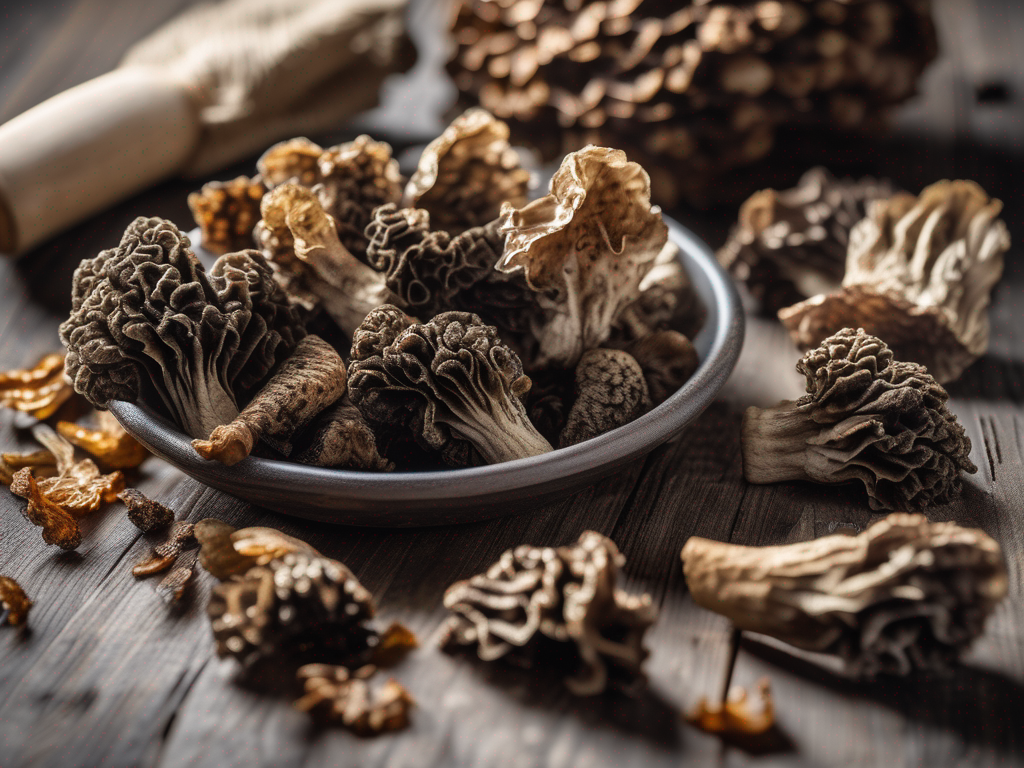
Rehydrating Dried Morel Mushrooms: A Comprehensive Guide
Rehydrating Dried Morel Mushrooms: A Comprehensive Guide
Dried morel mushrooms are a prized ingredient in many cuisines due to their intense flavor and meaty texture. However, before you can use them in your dishes, you need to rehydrate them properly to bring them back to life. In this guide, we will walk you through the steps to rehydrate dried morel mushrooms effectively for your cooking needs. (Dried morel mushrooms)
Why Rehydrate Dried Morel Mushrooms?
Dried morel mushrooms have a concentrated flavor that intensifies when rehydrated. By rehydrating them, you can bring out their rich, earthy taste and unique aroma, making them a versatile ingredient in various dishes such as risottos, sauces, and soups.
Benefits of Using Dried Morel Mushrooms:
- Longer shelf life compared to fresh mushrooms
- Intense flavor profile
- Adds depth and complexity to dishes
How to Rehydrate Dried Morel Mushrooms
Step 1: Choose High-Quality Dried Morel Mushrooms
- Purchase dried morel mushrooms from a reputable source to ensure quality and flavor.
Step 2: Gather Your Supplies
- Dried morel mushrooms
- Warm water
- Bowl
- Plate or lid for covering
Step 3: Preparing the Mushrooms
- Inspect the dried morel mushrooms for any signs of mold or spoilage.
- Gently brush off any dirt or debris using a soft brush or cloth.
- If the mushrooms are large, you can cut them into smaller pieces for easier rehydration.
Step 4: Rehydrating the Mushrooms
- Place the dried morel mushrooms in a bowl.
- Pour enough warm water over the mushrooms to cover them completely.
- Cover the bowl with a plate or lid to trap the steam and aid in the rehydration process.
- Let the mushrooms soak for about 20-30 minutes or until they become plump and tender.
Step 5: Strain and Rinse
- Carefully strain the rehydrated morel mushrooms from the soaking liquid.
- Rinse the mushrooms under cold water to remove any remaining grit or impurities.
Step 6: Using the Rehydrated Morel Mushrooms
- The rehydrated morel mushrooms are now ready to be used in your favorite recipes. You can sauté them, add them to sauces, or incorporate them into dishes for a burst of flavor.
Tips for Rehydrating Dried Morel Mushrooms
- Use warm water, not boiling water, to rehydrate the mushrooms. Boiling water can make the mushrooms tough.
- Save the soaking liquid to enhance the flavor of stocks, sauces, or soups.
- Rehydrated morel mushrooms can be stored in the refrigerator for up to 3 days. Be sure to use them promptly.
Safety Precautions
- Always wash your hands and equipment thoroughly before handling dried morel mushrooms.
- Discard any mushrooms that show signs of mold or spoilage.
- Store dried morel mushrooms in a cool, dry place away from direct sunlight.
In conclusion, rehydrating dried morel mushrooms is a simple process that can elevate the flavor of your dishes. By following the steps outlined in this guide and incorporating the tips provided, you can make the most of this gourmet ingredient in your cooking adventures. Enjoy the rich, earthy taste of rehydrated morel mushrooms in your culinary creations!
Proper cooking temperatures are essential for food safety. An instant-read food thermometer (Amazon) helps ensure meat reaches safe internal temperatures and reduces the risk of foodborne illness.
For more information on dried morel mushrooms, visit here. (Dried morel mushrooms)
Related Posts
Here are some other articles you might find helpful:
Authoritative Food Safety References
These agencies and university labs inform every tip and health precaution we publish.
USDA FoodKeeper – Cold Storage Guidelines
Official refrigerator, freezer, and pantry timelines maintained by the U.S. Department of Agriculture.
Visit USDA FoodKeeperFDA Produce Safety Rule & Grower Guidance
Field-to-fridge handling practices that prevent contamination of fruits, vegetables, and leafy greens.
Visit FDA Produce SafetyCDC Foodborne Illness Prevention Hub
Surveillance-backed guidance on pathogens, symptoms, and steps to reduce foodborne illness risk.
Visit CDC Food SafetyUC Davis Postharvest Technology Center
University research detailing optimal storage atmospheres for produce after harvest.
Visit UC Davis PostharvestPenn State Extension – Home Food Preservation & Safety
Peer-reviewed extension bulletins on safe canning, chilling, and reheating practices.
Visit Penn State ExtensionDisclosure: As an Amazon Associate, we earn from qualifying purchases. This helps support our site and allows us to continue providing free food safety information.