The Best Way to Rehydrate Dried Morel Mushrooms for Cooking
The Best Way to Rehydrate Dried Morel Mushrooms for Cooking
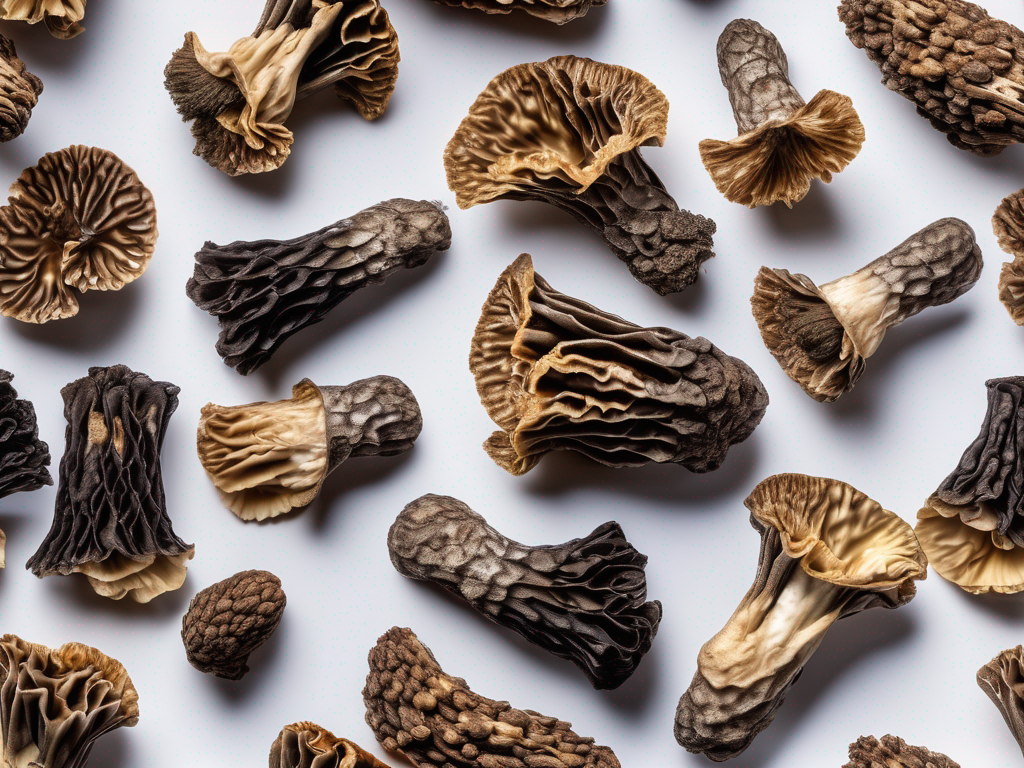
Dried morel mushrooms are a gourmet delicacy that adds a unique earthy flavor and meaty texture to various dishes. However, rehydrating dried morels properly is crucial to bring out their full flavor and ensure they are safe to consume. In this guide, we will explore the best methods for rehydrating dried morel mushrooms for cooking. (Dried morel mushrooms)
Why Rehydrate Dried Morel Mushrooms?
Dried morel mushrooms are a popular choice for many chefs and home cooks due to their intense flavor and long shelf life. Rehydrating dried morels before cooking helps to:
-
Restore Texture: Dried morels become leathery and shriveled during the drying process. Rehydrating them plumps up the mushrooms, restoring their natural texture.
💡Proper cooking temperatures are essential for food safety. An instant-read food thermometer (Amazon) helps ensure meat reaches safe internal temperatures and reduces the risk of foodborne illness.
-
Enhance Flavor: Rehydrating dried morels brings out their full flavor profile, making them more aromatic and delicious in dishes.
-
Remove Impurities: Soaking dried morels helps to remove any dirt or debris trapped in the crevices of the mushrooms.
Methods for Rehydrating Dried Morel Mushrooms
1. Cold Water Soak
Steps:
- Place the dried morel mushrooms in a bowl.
- Cover the mushrooms with cold water.
- Allow the mushrooms to soak for at least 30 minutes, or until they are fully rehydrated.
- Drain the mushrooms and gently squeeze out excess water before using them in your recipe.
2. Hot Water Soak
Steps:
- In a heatproof bowl, pour boiling water over the dried morel mushrooms.
- Cover the bowl and let the mushrooms steep for about 15-20 minutes.
- Drain the mushrooms, reserving the flavorful soaking liquid for adding to sauces or soups.
3. Rehydrating in Broth
Steps:
- Instead of using water, rehydrate dried morels in warm broth for added flavor.
- Let the mushrooms soak in the broth for 15-20 minutes until they are plump and rehydrated.
- Strain the mushrooms and use them in your recipe, reserving the infused broth for cooking.
4. Microwave Method
Steps:
- Place the dried morels in a microwave-safe bowl.
- Cover the mushrooms with water or broth.
- Microwave on high for 1-2 minutes or until the mushrooms are tender.
- Drain and use the rehydrated morels in your dish.
Tips for Rehydrating Dried Morel Mushrooms Safely
- Always use clean, filtered water or broth to rehydrate dried morels to prevent contamination.
- Do not reuse the soaking liquid, as it may contain impurities from the mushrooms.
- Store dried morels in a cool, dry place away from direct sunlight to maintain their quality.
- Check the rehydrated morels for any remaining debris or grit before using them in your recipe.
- If you have any doubts about the safety of the dried morels, discard them and do not consume.
Conclusion
Rehydrating dried morel mushrooms is a simple yet essential step to unleash their robust flavor and unique texture in your culinary creations. By following the methods outlined in this guide and incorporating safety tips, you can enjoy the rich taste of dried morels in your dishes with confidence. Experiment with different rehydration techniques to discover your preferred method for bringing these gourmet mushrooms back to life. (Dried morel mushrooms)
Refrigerator temperature fluctuations can accelerate spoilage and increase food safety risks. A refrigerator thermometer (Amazon) helps monitor consistent cold storage (40°F or below).
Authoritative Food Safety References
These agencies and university labs inform every tip and health precaution we publish.
USDA FoodKeeper – Cold Storage Guidelines
Official refrigerator, freezer, and pantry timelines maintained by the U.S. Department of Agriculture.
Visit USDA FoodKeeperFDA Produce Safety Rule & Grower Guidance
Field-to-fridge handling practices that prevent contamination of fruits, vegetables, and leafy greens.
Visit FDA Produce SafetyCDC Foodborne Illness Prevention Hub
Surveillance-backed guidance on pathogens, symptoms, and steps to reduce foodborne illness risk.
Visit CDC Food SafetyUC Davis Postharvest Technology Center
University research detailing optimal storage atmospheres for produce after harvest.
Visit UC Davis PostharvestPenn State Extension – Home Food Preservation & Safety
Peer-reviewed extension bulletins on safe canning, chilling, and reheating practices.
Visit Penn State ExtensionDisclosure: As an Amazon Associate, we earn from qualifying purchases. This helps support our site and allows us to continue providing free food safety information.