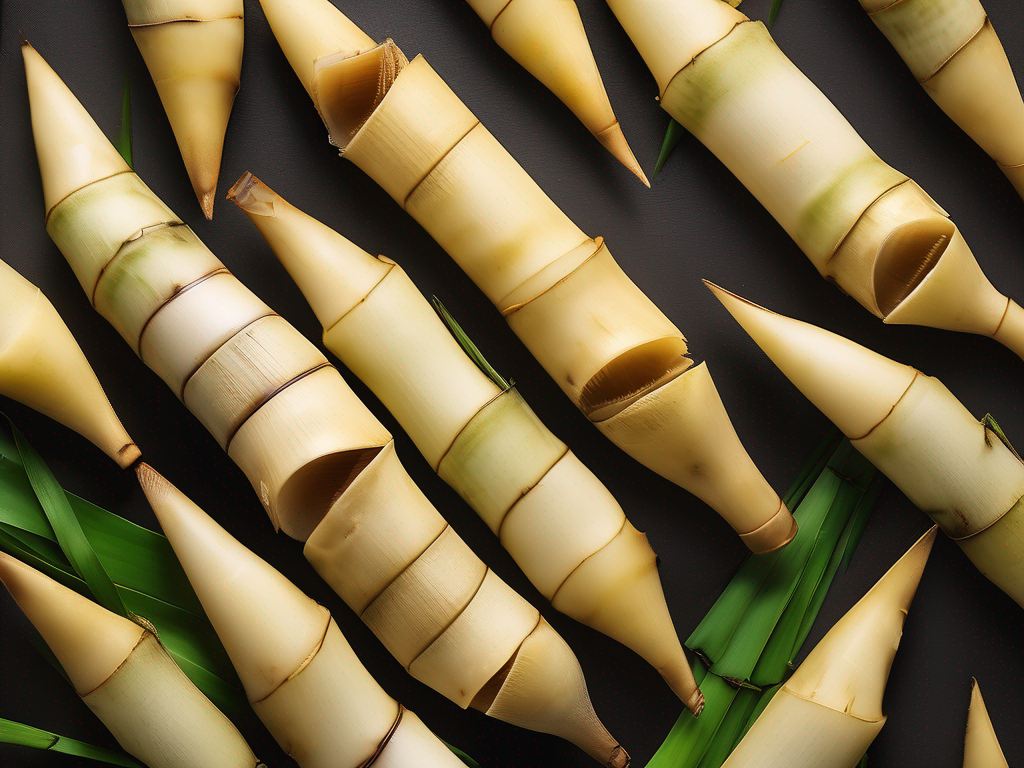
How to Properly Store Bamboo Shoots to Extend Shelf Life
How to Properly Store Bamboo Shoots to Extend Shelf Life
Bamboo shoots are a popular ingredient in various Asian cuisines, known for their unique flavor and crunchy texture. Whether you use fresh bamboo shoots or opt for canned or frozen varieties, proper storage is essential to maintain their quality and extend their shelf life. In this guide, we'll explore the best practices for storing bamboo shoots to ensure they stay fresh and safe for consumption. (Bamboo shoots)
Understanding Bamboo Shoots
Before diving into storage tips, let's take a closer look at bamboo shoots and their characteristics:
What are Bamboo Shoots?
- Bamboo shoots are the edible shoots of the bamboo plant.
- They are commonly used in stir-fries, soups, salads, and curries.
- Bamboo shoots are low in calories and rich in fiber, vitamins, and minerals.
Types of Bamboo Shoots
- Fresh bamboo shoots: Harvested from young bamboo plants and have a crisp texture.
- Canned bamboo shoots: Pre-cooked and preserved in water or brine.
- Frozen bamboo shoots: Blanched and frozen to retain their freshness.
Proper Storage Guidelines
Proper storage is key to maintaining the freshness and quality of bamboo shoots. Follow these guidelines to ensure your bamboo shoots stay safe for consumption:
Proper cooking temperatures are essential for food safety. An instant-read food thermometer (Amazon) helps ensure meat reaches safe internal temperatures and reduces the risk of foodborne illness.
Fresh Bamboo Shoots
- Refrigeration: Store fresh bamboo shoots in the refrigerator.
- Preparation: Peel and slice the bamboo shoots before storing.
- Moisture: Wrap the shoots in a damp paper towel to prevent them from drying out.
- Airflow: Place the wrapped bamboo shoots in a perforated plastic bag to allow for airflow.
- Shelf Life: Fresh bamboo shoots can be kept in the refrigerator for up to 1 week.
Canned Bamboo Shoots
- Storage: Store unopened canned bamboo shoots in a cool, dry place.
- Refrigeration: Once opened, transfer leftover canned bamboo shoots to an airtight container.
- Labeling: Label the container with the date of opening.
- Shelf Life: Properly stored, canned bamboo shoots can last for up to one week in the refrigerator.
Frozen Bamboo Shoots
- Freezing: Store frozen bamboo shoots in the freezer at a consistent temperature.
- Packaging: Use airtight containers or freezer bags to prevent freezer burn.
- Thawing: Thaw frozen bamboo shoots in the refrigerator before use.
- Usage: Use thawed bamboo shoots within 2-3 days for the best quality.
Safety Tips for Storing Bamboo Shoots
When storing bamboo shoots, it's essential to prioritize food safety to prevent contamination and spoilage. Here are some safety tips to keep in mind:
- Labeling: Always label containers with the date of storage or opening.
- Cross-Contamination: Store bamboo shoots away from raw meat, poultry, and seafood.
- Odor Absorption: Keep bamboo shoots away from strong-smelling foods to prevent flavor transfer.
- Temperature Control: Maintain proper storage temperatures to prevent bacterial growth.
Conclusion
Proper storage is crucial for maintaining the freshness and quality of bamboo shoots. By following the guidelines outlined in this post, you can ensure that your bamboo shoots remain safe for consumption and retain their delicious flavor. Whether you prefer fresh, canned, or frozen bamboo shoots, taking the time to store them correctly will help you enjoy this versatile ingredient in your favorite dishes.
Remember, when in doubt, always refer to [bamboo shoots](/food/bamboo shoots) storage instructions on the packaging or consult with a food safety expert. Enjoy cooking with bamboo shoots and savor their unique taste in your culinary creations! (Bamboo shoots)
Refrigerator temperature fluctuations can accelerate spoilage and increase food safety risks. A refrigerator thermometer (Amazon) helps monitor consistent cold storage (40°F or below).
Related Posts
Here are some other articles you might find helpful:
Authoritative Food Safety References
These agencies and university labs inform every tip and health precaution we publish.
USDA FoodKeeper – Cold Storage Guidelines
Official refrigerator, freezer, and pantry timelines maintained by the U.S. Department of Agriculture.
Visit USDA FoodKeeperFDA Produce Safety Rule & Grower Guidance
Field-to-fridge handling practices that prevent contamination of fruits, vegetables, and leafy greens.
Visit FDA Produce SafetyCDC Foodborne Illness Prevention Hub
Surveillance-backed guidance on pathogens, symptoms, and steps to reduce foodborne illness risk.
Visit CDC Food SafetyUC Davis Postharvest Technology Center
University research detailing optimal storage atmospheres for produce after harvest.
Visit UC Davis PostharvestPenn State Extension – Home Food Preservation & Safety
Peer-reviewed extension bulletins on safe canning, chilling, and reheating practices.
Visit Penn State ExtensionDisclosure: As an Amazon Associate, we earn from qualifying purchases. This helps support our site and allows us to continue providing free food safety information.