USDAOfficial guidance
USDA FoodKeeper – Cold Storage Guidelines
Official refrigerator, freezer, and pantry timelines maintained by the U.S. Department of Agriculture.
Visit USDA FoodKeeperStorage conditions, initial freshness, and potential contamination change the answer — and those details are easy to miss.
Get a yes / no answer for your bamboo shoots →
Last reviewed: January 2026
Reviewed by the Can I Eat Expired Editorial Team using official USDA, FDA, and CDC food safety guidance. How we assess food safety risk
May be safe if properly stored and showing no spoilage signs. Check carefully before consuming.
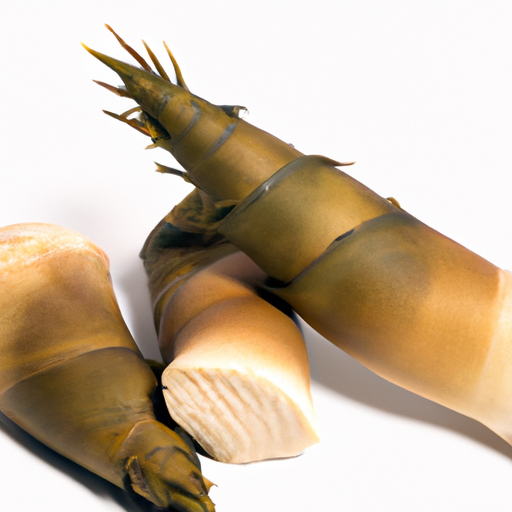
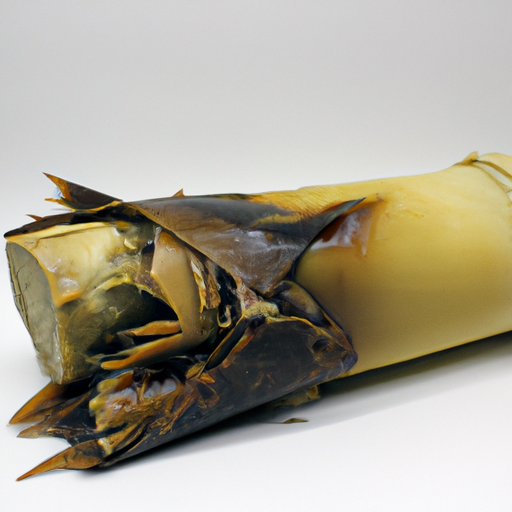
Pantry
Room temperature
Store in a cool, dry place away from direct sunlight
Proper airflow and humidity control can extend produce freshness. Using produce storage containers (Amazon) in the refrigerator helps regulate moisture and slow spoilage.
3 days
Mold, slimy texture, off smell
Stir-fries, soups, salads
Water chestnuts
Sure thing! So, expiration dates and best quality dates for bamboo shoots are a tad different. Expiration dates indicate when it's no longer safe to eat the food due to potential spoilage or foodborne illness risk. On the other hand, the best quality date means the product might not taste as fresh or flavorful after that point, but it's still safe to consume. For example, let's say you have a can of bamboo shoots with an expiration date of June 1st. It should be discarded after this date. But if the best quality date is April 15th, the bamboo shoots are still safe to eat after that, they just might not taste as crisp or flavorful. Personally, if the bamboo shoots still look and smell okay after the best quality date, I'd probably still use them, maybe in a stir-fry or soup where the texture isn't as crucial. Just give them a good sniff and visual check before using them past the best quality date!
To determine if bamboo shoots have gone bad, look for a slimy or moldy appearance, a sour or off smell, and a soft or mushy texture. Fresh bamboo shoots should have a firm texture, a mild scent, and a clean appearance. If you notice any of these signs of spoilage, it's best to discard the bamboo shoots to avoid potential foodborne illness.
Hey there! So, let's talk about bamboo shoots — they're tasty and versatile, but there are some things to keep in mind to enjoy them safely. One big risk with bamboo shoots is the potential for foodborne illness if they're not handled or cooked properly. The high moisture content of bamboo shoots makes them a breeding ground for bacteria if not stored or cooked at the right temperature. If bamboo shoots are not cooked thoroughly, it can lead to symptoms like stomach cramps, vomiting, and diarrhea. No one wants that ruin their meal, right? To stay safe, make sure to cook bamboo shoots thoroughly before eating them, whether you're using them in a stir-fry, soup, or salad. Also, store them properly in the refrigerator to prevent any bacterial growth. I remember the time I had a stomachache after eating undercooked bamboo shoots in a restaurant. Since then, I always make sure to cook them well at home. So, don't skip those cooking steps and enjoy your bamboo shoots safely!
Hey there! When it comes to storing bamboo shoots, here are some practical tips and hacks to keep them fresh and tasty. 1. **Refrigerate in Water:** To keep bamboo shoots fresh, store them in a container filled with water in the fridge. Change the water every day to maintain freshness. 2. **Freezing:** If you want to store bamboo shoots for a longer period, blanch them in hot water for a few minutes, then freeze them in airtight bags or containers. This method helps them retain their texture. 3. **Vacuum Sealing:** Investing in a vacuum sealer can extend the shelf life of bamboo shoots by removing excess air and sealing in freshness. 4. **Pickling:** Get creative and pickle bamboo shoots with vinegar, salt, and spices. This not only preserves them but also adds a tangy flavor to your dishes. 5. **Personal Touch:** I love using frozen bamboo shoots in stir-fries for a quick and convenient meal prep option. They add a lovely crunch and flavor to the dish. Remember, fresh is best, but with these storage hacks, you can enjoy bamboo shoots anytime!
Hey there! Let's chat about bamboo shoots - those crunchy, earthy delights found in many Asian dishes. Did you know that bamboo shoots have been a staple in Asian cuisine for centuries? They symbolize resilience and prosperity in Chinese culture due to their ability to grow rapidly and shoot up even after being cut down. Here's a cool fact: in Japan, they have a saying, "Bamboo shoots grow best when watched," which emphasizes the need to keep an eye on them because they can quickly overgrow and become tough if not harvested at the right time. Another fun tidbit is that bamboo shoots are not only delicious but also nutritious! They are low in calories, high in fiber, and packed with vitamins and minerals like vitamin B6 and potassium. So, next time you're enjoying a tasty stir-fry or soup with bamboo shoots, remember the rich history and cultural significance behind these humble yet versatile ingredients. Keep an eye out for them in your local Asian market and give them a try - they might just become your new favorite veggie!
If Bamboo Shoots have been left at room temperature for more than 2 hours, it's best to discard them to prevent the risk of bacterial contamination. Bacteria can multiply rapidly at room temperature, potentially causing foodborne illnesses.
Cooking Bamboo Shoots can extend their shelf life by killing bacteria and enzymes that cause spoilage. However, once cooked, Bamboo Shoots should still be refrigerated promptly and consumed within 3 days for optimal safety and quality.
While the shelf life of Bamboo Shoots is generally around 3 days, it's essential to check the expiration date on the packaging. Some brands may use different preservation methods or packaging, affecting the shelf life. Always follow the manufacturer's instructions for the best quality and safety.
Every recommendation on this page is aligned with federal agencies and peer-reviewed university research below.
Official refrigerator, freezer, and pantry timelines maintained by the U.S. Department of Agriculture.
Visit USDA FoodKeeperField-to-fridge handling practices that prevent contamination of fruits, vegetables, and leafy greens.
Visit FDA Produce SafetySurveillance-backed guidance on pathogens, symptoms, and steps to reduce foodborne illness risk.
Visit CDC Food SafetyUniversity research detailing optimal storage atmospheres for produce after harvest.
Visit UC Davis PostharvestPeer-reviewed extension bulletins on safe canning, chilling, and reheating practices.
Visit Penn State ExtensionNeed deeper reading? Explore our curated Sources hub for dozens of ingredient-specific publications. Our food safety review methodology explains how safety determinations are made.
Cooking Ingredients
View expiration date and storage guide →
Baking Supplies
View expiration date and storage guide →
Grains & Pasta
View expiration date and storage guide →
Instant Foods
View expiration date and storage guide →
Condiments & Spices
View expiration date and storage guide →
Grains & Pasta
View expiration date and storage guide →
Condiments & Spices
View expiration date and storage guide →
Sauces and Marinades
View expiration date and storage guide →
Beverages
View expiration date and storage guide →
Important: These are general guidelines based on authoritative sources listed above. Always use your best judgment and when in doubt, throw it out. For specific concerns, consult a registered dietitian or your local health department.
Disclosure: As an Amazon Associate, we earn from qualifying purchases. This helps support our site and allows us to continue providing free food safety information.