How to Tell if Your Bamboo Shoots Have Gone Bad
How to Tell if Your Bamboo Shoots Have Gone Bad
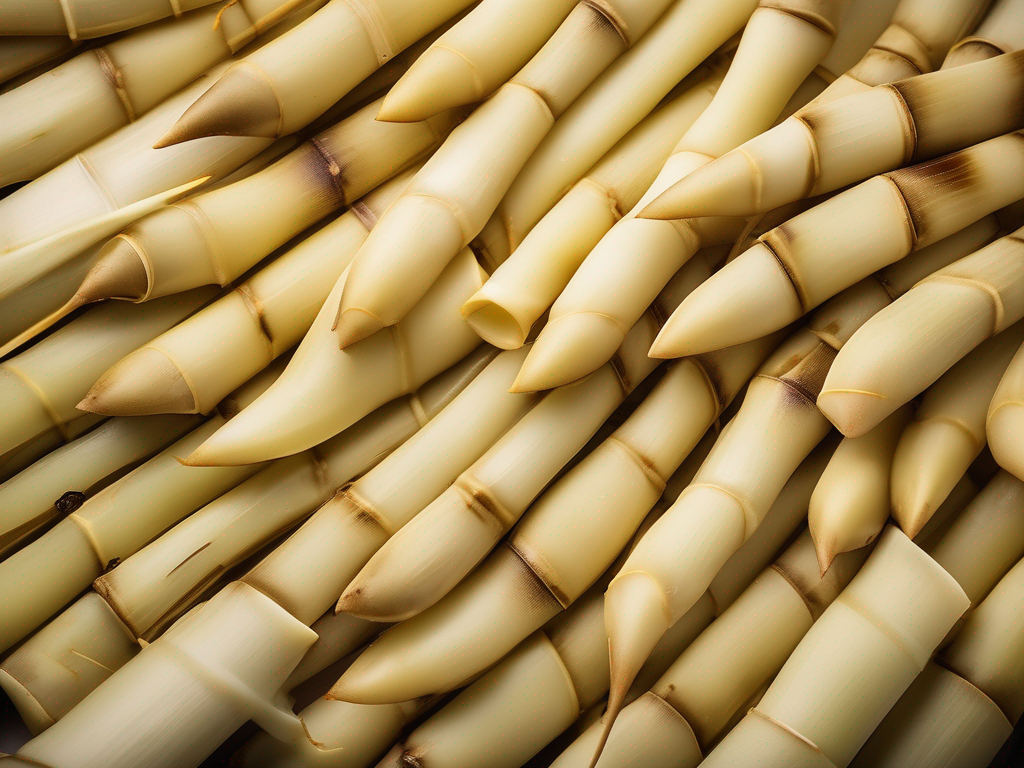
Bamboo shoots are a popular ingredient in many Asian dishes due to their unique flavor and texture. However, like any other perishable food item, bamboo shoots can go bad if not stored properly. In this blog post, we will discuss how to tell if your bamboo shoots have gone bad, and provide you with some practical tips on how to store them correctly to ensure food safety. (Bamboo shoots)
Signs of Spoiled Bamboo Shoots
When it comes to determining whether your bamboo shoots have gone bad, there are a few key indicators to look out for. Here are some common signs that your bamboo shoots may be spoiled:
1. Mold or Discoloration
- If you notice any mold growth or unusual discoloration on the surface of the bamboo shoots, it is a clear sign that they have gone bad. Discard them immediately.
2. Slimy Texture
- Spoiled bamboo shoots may develop a slimy or mushy texture. This is a result of bacterial growth and is a sure sign that the shoots are no longer safe to eat.
3. Foul Odor
- Fresh bamboo shoots have a mild, earthy aroma. If you detect a foul or rancid odor coming from the bamboo shoots, it is best to throw them away.
4. Bitter Taste
- Spoiled bamboo shoots can have a bitter or sour taste. If you notice any unusual or off-flavors when tasting the shoots, do not consume them.
Proper Storage Tips for Bamboo Shoots
To prevent your bamboo shoots from spoiling prematurely, it is essential to store them correctly. Here are some practical tips to help you extend the shelf life of your bamboo shoots:
Proper airflow and humidity control can significantly extend produce freshness. Many households use produce storage containers (Amazon) in the refrigerator to regulate moisture and slow spoilage.
1. Refrigerate Immediately
- After purchasing or harvesting fresh bamboo shoots, refrigerate them promptly to slow down the growth of bacteria and mold.
2. Store in a Perforated Plastic Bag
- Place the bamboo shoots in a perforated plastic bag to maintain proper air circulation and prevent moisture buildup, which can lead to spoilage.
3. Keep Away from Ethylene-Producing Foods
- Ethylene is a ripening agent that can accelerate the decay of bamboo shoots and other produce. Store them away from ethylene-producing foods like apples, bananas, and tomatoes.
4. Use a Moist Paper Towel
- To keep the bamboo shoots moist and fresh, wrap them in a damp paper towel before placing them in the refrigerator.
5. Check and Rotate Regularly
- Periodically check the bamboo shoots for any signs of spoilage and discard any that show symptoms. Rotate the shoots in the refrigerator to ensure even cooling.
Conclusion
In conclusion, it is crucial to be able to recognize the signs of spoiled bamboo shoots to prevent foodborne illnesses. By following the storage tips mentioned above and being vigilant about the quality of your bamboo shoots, you can enjoy this delicious ingredient in your favorite dishes while ensuring food safety for you and your family. Remember, when in doubt, it is always better to err on the side of caution and discard any bamboo shoots that appear questionable. Stay safe and enjoy your culinary adventures with bamboo shoots! (Bamboo shoots)
Authoritative Food Safety References
These agencies and university labs inform every tip and health precaution we publish.
USDA FoodKeeper – Cold Storage Guidelines
Official refrigerator, freezer, and pantry timelines maintained by the U.S. Department of Agriculture.
Visit USDA FoodKeeperFDA Produce Safety Rule & Grower Guidance
Field-to-fridge handling practices that prevent contamination of fruits, vegetables, and leafy greens.
Visit FDA Produce SafetyCDC Foodborne Illness Prevention Hub
Surveillance-backed guidance on pathogens, symptoms, and steps to reduce foodborne illness risk.
Visit CDC Food SafetyUC Davis Postharvest Technology Center
University research detailing optimal storage atmospheres for produce after harvest.
Visit UC Davis PostharvestPenn State Extension – Home Food Preservation & Safety
Peer-reviewed extension bulletins on safe canning, chilling, and reheating practices.
Visit Penn State ExtensionFrequently Asked Questions
How can I tell if my bamboo shoots have gone bad?
Can I still eat bamboo shoots if they are slightly discolored?
How should I store bamboo shoots to prolong their freshness?
Are there any visual cues to help me determine if bamboo shoots are still safe to eat?
Can I freeze bamboo shoots to extend their shelf life?
Disclosure: As an Amazon Associate, we earn from qualifying purchases. This helps support our site and allows us to continue providing free food safety information.