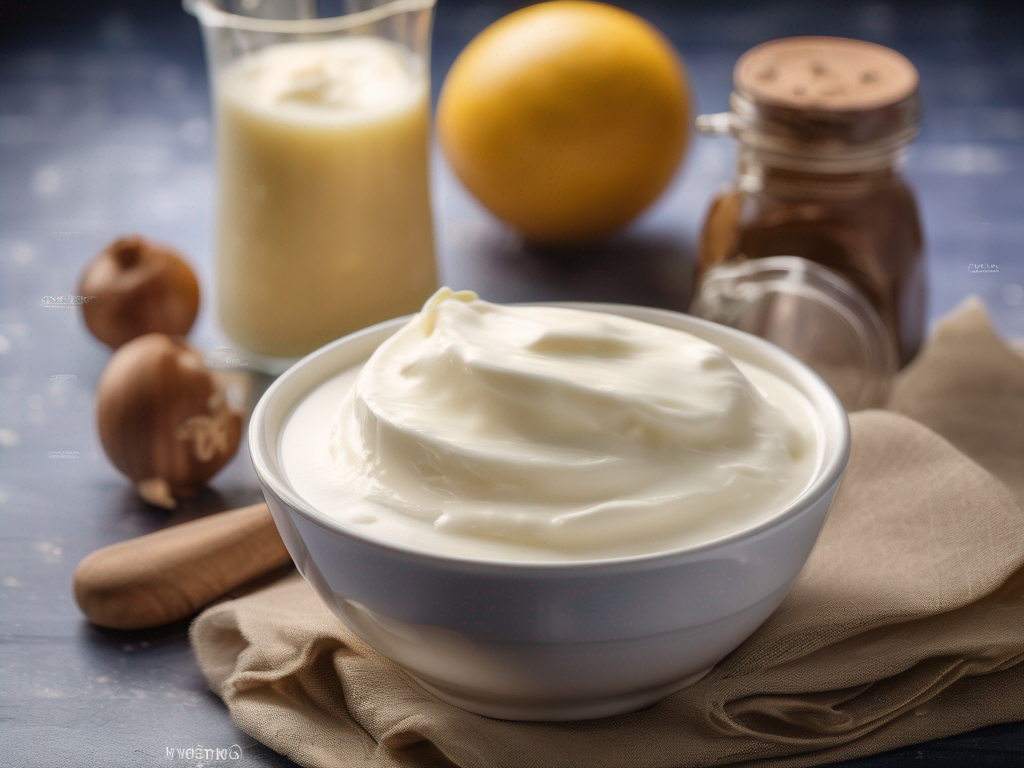
How Long Is Buttermilk Good For After the Sell-By Date?
How Long Is Buttermilk Good For After the Sell-By Date?
Buttermilk is a versatile dairy product that adds a tangy flavor and creamy texture to a variety of dishes. Whether you use it in baking, salad dressings, marinades, or simply enjoy it as a refreshing drink, buttermilk is a staple in many kitchens. However, like all dairy products, buttermilk has a limited shelf life, and it's essential to know how long it remains safe to consume, especially after the sell-by date. In this blog post, we'll explore the shelf life of buttermilk, how to store it properly, and tips for determining if it's still safe to use after the sell-by date. (Buttermilk)
How Long Does Buttermilk Last?
Buttermilk typically has a shorter shelf life compared to other dairy products due to its acidic nature. The sell-by date on the packaging is a guideline for the store to ensure quality, but it doesn't necessarily mean the buttermilk is no longer safe to consume after that date.
Factors Affecting Buttermilk Shelf Life
Several factors can influence the shelf life of buttermilk, including:
Dairy products require consistent cold storage to prevent spoilage and bacterial growth. A refrigerator thermometer (Amazon) helps ensure your refrigerator maintains safe temperatures (40°F or below).
- Storage Temperature: Proper storage is crucial for extending the shelf life of buttermilk.
- Contamination: Cross-contamination with other foods can introduce harmful bacteria.
- Packaging: Airtight packaging helps maintain freshness and quality.
- Handling: Proper handling practices can prevent spoilage.
Storing Buttermilk
To maximize the shelf life of buttermilk and maintain its quality, consider the following storage tips:
Refrigeration
- Store buttermilk in the refrigerator at a temperature below 40°F (4°C).
- Keep it tightly sealed in its original container or an airtight container to prevent absorption of odors and flavors.
- Avoid storing buttermilk in the door of the refrigerator, as temperature fluctuations can affect its quality.
Freezing
- If you can't use buttermilk before it reaches the sell-by date, consider freezing it.
- Pour buttermilk into ice cube trays for convenient portioning.
- Frozen buttermilk can be used in cooking and baking but may have a slightly altered texture once thawed.
Checking Buttermilk Quality
After the sell-by date, it's essential to check the buttermilk for signs of spoilage before consuming it. Here's how you can determine if buttermilk is still safe to use:
- Smell Test: If the buttermilk has an off smell, sour odor, or smells rancid, it's best to discard it.
- Texture: Spoiled buttermilk may appear lumpy, curdled, or separated.
- Appearance: Mold growth or unusual discoloration are signs of spoilage.
- Taste: If the buttermilk tastes sour or off, it's no longer safe to consume.
common situation
Let’s dive into some relatable situation that might resonate with your own experiences in the kitchen.
After opening, transferring dairy into an airtight container (Amazon) can reduce odor absorption, limit moisture exposure, and help slow bacterial growth.
situation 1: Last-Minute Baking
Imagine it's Sunday afternoon, and you decide to whip up a batch of pancakes for a family brunch. You reach for the buttermilk you bought a few weeks ago, only to notice that it’s past the sell-by date. You hesitate—should you toss it or go ahead and use it? This is a common dilemma, but remember, if the buttermilk passes your smell and texture tests, it could still be good! If it has that familiar tangy aroma and smooth consistency, pour it into your mixing bowl without worry.
situation 2: Unexpected Guests
Perhaps you've planned a dinner party and wanted to impress your guests with a homemade ranch dressing. As you rummage through your fridge, you find a carton of buttermilk nearing its sell-by date. With guests coming over soon, time is of the essence. Conduct those quick quality tests, and if all looks good, use it! Your guests will surely appreciate the effort, and you won’t have to waste any ingredients.
situation 3: Pantry Clean-Out
You might also find yourself cleaning out your refrigerator and discovering a forgotten container of buttermilk. It’s been sitting there for a couple of weeks post-sell-by date. Instead of considering it as waste, you decide to bake a loaf of buttermilk bread. Buttermilk adds moisture and flavor, ensuring a delicious outcome. A simple sniff will tell you if it's still usable, and if it is, congratulations—you just saved dinner!
Scientific Context
Understanding the science behind buttermilk can provide insight into its shelf life and safety. Buttermilk is a fermented dairy product, which means it undergoes a process that turns lactose into lactic acid through the action of beneficial bacteria. This fermentation not only creates that distinct tangy flavor but also extends its shelf life compared to non-fermented dairy products.
The acidity in buttermilk acts as a natural preservative, slowing down the growth of harmful bacteria. However, it’s important to note that while this gives buttermilk a longer lifespan, it doesn't make it immune to spoilage. Bacterial growth, especially after the sell-by date, can still occur if the buttermilk is not stored properly.
Common Mistakes
Many people make a few common mistakes when it comes to buttermilk storage and usage. Here are some to watch out for:
-
Ignoring the Sell-By Date: While it's just a guideline, many assume that if it's past the sell-by date, the buttermilk is automatically spoiled. Not true! Always inspect it first.
-
Storing in the Fridge Door: The door is typically the warmest part of the fridge due to frequent opening. Always store your buttermilk on a middle shelf where the temperature is more stable.
-
Using Dirty Utensils: If you dip a spoon or a measuring cup into the buttermilk, ensure it’s clean. Contaminated utensils can introduce bacteria that spoil the buttermilk faster.
-
Not Freezing Early: Some wait too long to freeze buttermilk. Remember that it’s best to freeze buttermilk before it reaches its sell-by date to retain the best quality.
Expert Insights
Food safety experts recommend using your senses when determining the safety of buttermilk. The CDC (Centers for Disease Control and Prevention) emphasizes the importance of checking for any signs of spoilage. It’s always a good idea to keep a food diary where you can note the dates of purchase and use, helping you keep track of what needs to be used up soon.
Additionally, if you use buttermilk in recipes frequently, consider purchasing it in smaller quantities to ensure you can use it before it spoils, or invest in shelf-stable buttermilk powder. This can be a great alternative and provides the same tangy flavor without the same time constraints.
Practical Tips for Using Buttermilk
- In Baking: Buttermilk is fantastic for recipes like pancakes, muffins, and cakes where it helps to activate baking soda, giving your baked goods a lovely rise.
- In Dressings: Use buttermilk to create creamy salad dressings or dips. It adds flavor and a rich texture.
- In Marinades: The acidity in buttermilk can tenderize meat, making it a great base for marinades, especially for fried chicken.
- In Smoothies: Smoothies can benefit from the slight tanginess of buttermilk, adding depth to fruit flavors.
Conclusion
In conclusion, buttermilk can be safely consumed after the sell-by date if stored and handled properly. By following the storage tips mentioned above and conducting simple quality checks, you can enjoy buttermilk in your favorite recipes without compromising safety. Remember that while the sell-by date is a helpful guideline, the sensory cues of smell, texture, appearance, and taste are reliable indicators of buttermilk quality. Enjoy the tangy goodness of buttermilk while keeping food safety a top priority!
Remember to check out more buttermilk recipes and tips for incorporating this versatile ingredient into your cooking repertoire. (Buttermilk)
Related Posts
Here are some other articles you might find helpful:
Authoritative Food Safety References
These agencies and university labs inform every tip and health precaution we publish.
USDA FoodKeeper – Cold Storage Guidelines
Official refrigerator, freezer, and pantry timelines maintained by the U.S. Department of Agriculture.
Visit USDA FoodKeeperFDA Produce Safety Rule & Grower Guidance
Field-to-fridge handling practices that prevent contamination of fruits, vegetables, and leafy greens.
Visit FDA Produce SafetyCDC Foodborne Illness Prevention Hub
Surveillance-backed guidance on pathogens, symptoms, and steps to reduce foodborne illness risk.
Visit CDC Food SafetyUC Davis Postharvest Technology Center
University research detailing optimal storage atmospheres for produce after harvest.
Visit UC Davis PostharvestPenn State Extension – Home Food Preservation & Safety
Peer-reviewed extension bulletins on safe canning, chilling, and reheating practices.
Visit Penn State ExtensionDisclosure: As an Amazon Associate, we earn from qualifying purchases. This helps support our site and allows us to continue providing free food safety information.