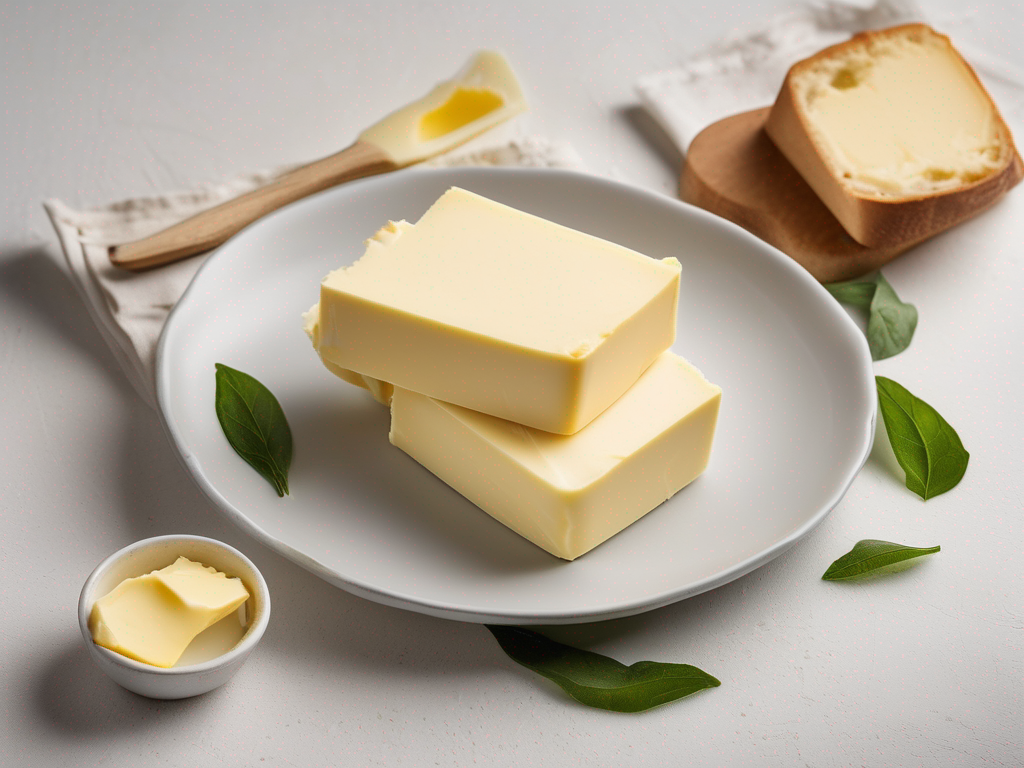
Can You Use Butter After the Expiration Date?
Can You Use Butter After the Expiration Date?
In the world of food safety, expiration dates can be a source of confusion. One common item that often raises questions is butter. Many people wonder if it's safe to use butter after the expiration date has passed. In this blog post, we'll explore the ins and outs of using butter past its expiration date, provide practical tips for storage and safety, and address common concerns. (Butter)
Understanding Butter Expiration Dates
When you purchase butter from the store, you'll notice that it comes with a "best by" or "sell by" date. This date is an indicator of when the butter is at its peak quality in terms of taste and texture. It's important to note that this date is not a safety concern but rather a guideline for optimal freshness.
Factors Affecting Butter Shelf Life
Several factors can influence the shelf life of butter, including:
Dairy products require consistent cold storage to prevent spoilage and bacterial growth. A refrigerator thermometer (Amazon) helps ensure your refrigerator maintains safe temperatures (40°F or below).
- Storage Conditions: Proper storage is crucial for extending the shelf life of butter.
- Packaging: Air-tight packaging helps prevent oxidation and rancidity.
- Temperature: Butter should be stored at a consistent temperature to maintain quality.
- Contamination: Avoid introducing contaminants into the butter, such as dirty utensils.
Can You Use Expired Butter?
While it's always best to follow the manufacturer's recommendations, using butter after the expiration date is often safe if certain conditions are met. Here are some guidelines to consider:
Signs of Spoiled Butter
Before using expired butter, check for the following signs of spoilage:
- Off Odor: Rancid or sour smell
- Discoloration: Unusual color changes
- Texture Changes: Grainy or slimy texture
- Mold: Visible mold growth
If you notice any of these signs, it's best to discard the butter to avoid the risk of foodborne illness.
After opening, transferring dairy into an airtight container (Amazon) can reduce odor absorption, limit moisture exposure, and help slow bacterial growth.
Tips for Using Expired Butter Safely
If the butter shows no signs of spoilage, you can use it safely by following these tips:
- Perform a Sensory Check: Smell and visually inspect the butter for any abnormalities.
- Perform a Taste Test: If the butter looks and smells fine, take a small taste to ensure it hasn't turned rancid.
- Cooking with Expired Butter: Cooking butter at high temperatures can help kill any harmful bacteria that may have developed.
common situation
To help illustrate the practicalities of using expired butter, here are a couple of common situation:
situation 1: The Holiday Baking Marathon
Imagine it’s the holiday season, and you’ve planned a baking marathon to create delicious cookies and pastries for family and friends. While rummaging through your fridge, you find a stick of butter that’s just past its expiration date. Rather than panic, you remember the guidelines shared here. After inspecting the butter for any off odors or discoloration, you give it a small taste. It’s perfectly fine! You proceed to whip up batches of cookies that turn out wonderfully, allowing you to spread holiday cheer without the worry of waste.
situation 2: The Last-Minute Dinner
Picture this: It’s a Friday night, and you’ve invited friends over for a last-minute dinner gathering. While preparing your favorite garlic butter shrimp, you discover that the butter in your fridge expired a week ago. Instead of rushing to the store, you follow the proper checks. The butter smells sweet and looks fine, so you decide to use it. The dish impresses your guests, and you’ve saved yourself a trip to the grocery store!
Scientific Context
Understanding the chemistry behind butter can help clarify why it often remains usable after its expiration date. Butter is primarily made of fat, and its high-fat content makes it less prone to bacterial growth compared to more perishable items. The presence of water in butter is minimal; thus, harmful microorganisms have difficulty thriving.
That said, butter can become rancid due to oxidation, which is where the “off” flavors and smells come from. This is why proper storage is crucial. When butter is stored in a cool, dark place and in a sealed container, it can last for months beyond its sell-by date without significant changes to its safety or quality.
Nutritional Information
Butter is an excellent source of fat-soluble vitamins like A, D, E, and K, which are essential for various bodily functions. Despite its reputation for being high in saturated fats, moderate consumption of butter can fit into a balanced diet. Many people don't realize that it can enhance the absorption of nutrients from other foods due to its fat content. Just remember to enjoy it in moderation!
Proper Butter Storage Tips
To maximize the shelf life of your butter and maintain its quality, follow these storage tips:
- Refrigeration: Store butter in the refrigerator at a consistent temperature. Ideally, this should be around 35°F to 40°F (1.6°C to 4.4°C).
- Air-Tight Container: Keep butter in an air-tight container to prevent absorption of odors from other foods. This is especially important if you have strong-smelling items like garlic or fish in your fridge.
- Avoid Sunlight: Store butter away from direct sunlight to prevent spoilage. Light exposure can increase the rate of rancidity.
- Freezing Butter: Butter can be frozen for extended storage, but quality may be affected. Wrap it tightly in plastic wrap or foil and place it in a freezer bag to protect against freezer burn. Frozen butter can last for up to a year, but it's best used within six months for optimal flavor.
Common Mistakes
When it comes to using butter past its expiration date, there are a few common mistakes people often make:
-
Ignoring Signs of Spoilage: Some individuals might be too eager to use butter, ignoring the importance of sensory checks. Always ensure that the butter looks, smells, and tastes fine before using it.
-
Not Understanding Expiration Dates: Many people confuse “best by” dates with “use by” dates. Remember, “best by” dates are about quality, while “use by” dates relate to safety.
-
Inadequate Storage: Failing to store butter properly can lead to unnecessary spoilage. Many people leave butter out on the counter, which can lead to rancidity if it’s not consumed quickly.
Expert Insights
According to food safety experts, the key to using butter safely lies in proper storage and regular checks. Food safety guidance from public health agencies, a food scientist, recommends, “Always trust your senses. If it looks, smells, and tastes good, it usually is. But if you have any doubts, it’s best to err on the side of caution.”
Additionally, she advises that when cooking with butter that’s past its expiration date, always ensure your cooking surface and utensils are clean to minimize the risk of contamination.
Safety Warnings
While it may be generally safe to use expired butter under the right conditions, it’s crucial to be aware of certain precautions:
- Health Conditions: If you have certain health conditions, such as weakened immune systems, you should be more cautious about consuming any expired food products.
- Infants and Pregnant Women: Similarly, special populations such as infants or pregnant women should avoid consuming expired dairy products, as they may have an increased risk of foodborne illness.
- Always Store Leftovers Properly: If you’ve used butter to cook a dish, make sure to store any leftovers properly in the fridge. Use them within a few days to ensure safety.
Conclusion
In conclusion, using butter after the expiration date is generally safe as long as the butter shows no signs of spoilage. By following proper storage practices and conducting sensory checks, you can enjoy butter past its best by date without compromising your health. Remember to trust your instincts and prioritize food safety when in doubt. Butter is a versatile ingredient that can enhance a wide range of dishes, so don't let expiration dates limit your culinary creativity. (Butter)
Related Posts
Here are some other articles you might find helpful:
Authoritative Food Safety References
These agencies and university labs inform every tip and health precaution we publish.
USDA FoodKeeper – Cold Storage Guidelines
Official refrigerator, freezer, and pantry timelines maintained by the U.S. Department of Agriculture.
Visit USDA FoodKeeperFDA Produce Safety Rule & Grower Guidance
Field-to-fridge handling practices that prevent contamination of fruits, vegetables, and leafy greens.
Visit FDA Produce SafetyCDC Foodborne Illness Prevention Hub
Surveillance-backed guidance on pathogens, symptoms, and steps to reduce foodborne illness risk.
Visit CDC Food SafetyUC Davis Postharvest Technology Center
University research detailing optimal storage atmospheres for produce after harvest.
Visit UC Davis PostharvestPenn State Extension – Home Food Preservation & Safety
Peer-reviewed extension bulletins on safe canning, chilling, and reheating practices.
Visit Penn State ExtensionDisclosure: As an Amazon Associate, we earn from qualifying purchases. This helps support our site and allows us to continue providing free food safety information.