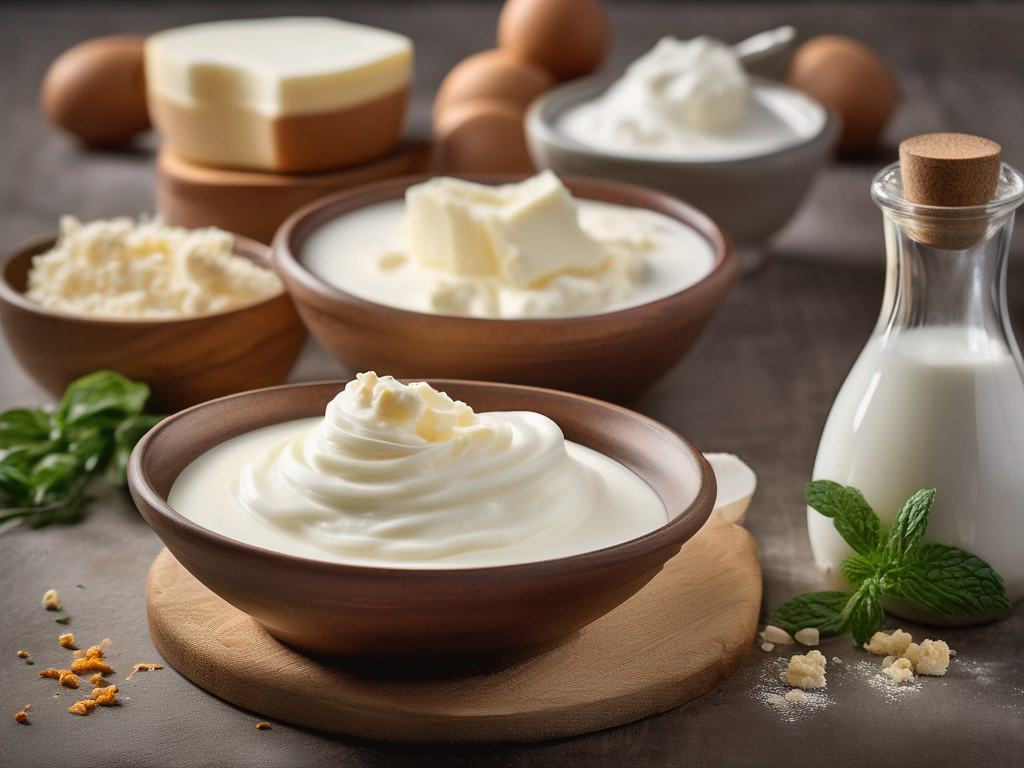
How Long Does Buttermilk Last After the Expiration Date?
How Long Does Buttermilk Last After the Expiration Date?
Have you ever found an old carton of buttermilk sitting in the back of your fridge, past its expiration date? Many of us have been there, wondering if it's still safe to use. In this comprehensive guide, we will explore how long buttermilk lasts after the expiration date, how to tell if it's gone bad, and tips for proper storage to extend its shelf life. (Buttermilk)
Does Buttermilk Go Bad After the Expiration Date?
Buttermilk, like many dairy products, typically has a shelf life of around 2 weeks after the expiration date. However, this doesn't mean that it automatically goes bad the day after the date on the carton. The expiration date is a guideline provided by the manufacturer for peak quality, but buttermilk can still be safe to consume for some time after that date.
Factors Affecting Buttermilk's Shelf Life
Several factors can influence how long buttermilk remains safe to use after the expiration date:
Dairy products require consistent cold storage to prevent spoilage and bacterial growth. A refrigerator thermometer (Amazon) helps ensure your refrigerator maintains safe temperatures (40°F or below).
-
Refrigeration: Proper storage is crucial for extending the shelf life of buttermilk. Always keep it refrigerated at a temperature below 40°F (4°C).
-
Quality of Buttermilk: The fresher the buttermilk was when you purchased it, the longer it is likely to last past the expiration date.
-
Contamination: If buttermilk has been contaminated by other foods or if it has been left out at room temperature for an extended period, it may spoil more quickly.
Signs That Buttermilk Has Gone Bad
It's essential to know how to recognize when buttermilk has gone bad to avoid consuming spoiled dairy. Here are some signs to look out for:
Visual Signs:
-
Mold: If you notice mold growth on the surface of the buttermilk, it has spoiled, and you should discard it immediately.
-
Curdling: Buttermilk that appears curdled or has chunks floating in it is no longer safe to consume.
Smell and Texture:
-
Off Odor: If the buttermilk smells sour, rancid, or generally unpleasant, it has likely gone bad.
-
Texture Changes: Buttermilk should have a smooth consistency. If it appears lumpy or grainy, it's best to throw it away.
common situation
situation 1: The Last-Minute Recipe
Imagine you’re in the middle of preparing a family meal and realize you’re out of buttermilk. You find an old carton at the back of the fridge, and it’s a week past the expiration date. You might remember grandma saying that dairy can be tricky, but she often used what was available. What should you do? In this case, you might decide to give it a sniff and a quick visual check. If it passes the smell test and there are no signs of spoilage, you can confidently use it in your pancakes or biscuits. However, if it smells off or has curdled, don’t take a chance—better safe than sorry!
situation 2: The Morning Coffee Mishap
Picture this: You’re tired and bleary-eyed, pouring a splash of buttermilk into your morning coffee. Halfway through, you glance at the carton and see it’s expired. For many, the first instinct is panic, but a quick check reveals it seems fine. It’s a common dilemma, and many people often overlook expiration dates on dairy products. Again, trust your senses. If it looks and smells good, it’s likely okay to use. If not, it’s a good idea to reach for a fresh carton.
situation 3: The Baking Project
You’ve decided to bake a batch of your famous buttermilk biscuits for a potluck. You remember that you have some buttermilk in the fridge, but when you check, it’s nearly a month past its expiration date. It’s easy to feel discouraged, but here’s a tip: before tossing it out, do a quick test. If it smells fine and you can’t see any spoilage, it may still be salvageable. Just make sure to use it in your recipe quickly, as it may not hold up well if left out for too long.
Tips for Extending the Shelf Life of Buttermilk
To maximize the freshness and shelf life of buttermilk, follow these practical tips for proper storage and handling:
-
Refrigerate Promptly: Always refrigerate buttermilk immediately after use to slow down bacterial growth and maintain its quality.
-
Store Properly: Keep buttermilk in its original container or an airtight container to prevent absorption of odors from other foods in the fridge.
-
Check the Temperature: Ensure that your refrigerator is set to the correct temperature (below 40°F/4°C) to keep buttermilk fresh.
-
Avoid Cross-Contamination: Store buttermilk away from raw meat, poultry, or seafood to prevent cross-contamination.
-
Use Smaller Containers: If you buy buttermilk in larger quantities, consider transferring smaller portions into clean, airtight containers. This minimizes air exposure each time you open the main carton.
-
Freeze for Later Use: If you know you won't use your buttermilk before its expiration date, consider freezing it. Pour it into ice cube trays for easy portioning, then transfer the frozen cubes to a freezer-safe bag. When you're ready to use it, just thaw what you need in the fridge or at room temperature.
Common Mistakes About Buttermilk
Many people unknowingly make a few common mistakes when it comes to buttermilk:
-
Ignoring the Date: Some believe that as long as it isn’t visibly spoiled, it’s fine to use, but overlooking the expiration date can lead to foodborne illness.
-
Not Smelling First: Relying solely on the expiration date can be misleading. A quick sniff test can save you from an unpleasant surprise.
-
Storing Near the Door: Many people store their buttermilk in the fridge door, where temperatures fluctuate more than in the main compartment. Keep it towards the back, where it's consistently cold, for longer shelf life.
-
Using Expired Dairy in Recipes: Some may think that cooking or baking with expired buttermilk “kills off” any bacteria. While cooking can kill some harmful bacteria, it doesn’t eliminate all spoilage organisms. Always check for freshness before using.
Scientific Context of Buttermilk
Buttermilk is a fermented dairy product, and its unique composition contributes to its relatively long shelf life. The lactic acid bacteria present help inhibit the growth of spoilage organisms, which is why buttermilk can often be safe to consume beyond its expiration date. The fermentation process not only enhances flavor but also extends its usability by lowering the pH, creating an environment that is less conducive to harmful bacteria.
Nutritionally, buttermilk is lower in fat than regular milk, making it a popular choice for recipes that require a tangy flavor without the added calories of heavy cream. It’s also rich in probiotics, which can be beneficial for gut health. However, keep in mind that consuming spoiled buttermilk can lead to foodborne illnesses, so always err on the side of caution.
Expert Insights
Professional food safety experts recommend a few key practices when using dairy products like buttermilk:
-
Label Your Containers: If you transfer buttermilk to another container, label it with the date you opened or purchased it. This will help you keep track of its freshness more effectively.
-
Use Your Senses: Always rely on your senses—look, smell, and even taste (a small amount) if it appears fine. This holistic approach can be your best indicator of safety.
-
Educate Yourself on Food Safety: Understanding the basics of food safety will empower you to make better decisions. Resources from local health departments or food safety organizations often offer valuable guidelines.
Conclusion
In conclusion, buttermilk can last beyond its expiration date if stored properly and shows no signs of spoilage. By following the tips outlined in this guide, you can enjoy the creamy goodness of buttermilk while ensuring food safety. Remember to trust your senses and discard any buttermilk that shows signs of spoilage. Stay mindful of proper storage practices to make the most of this versatile dairy product.
Next time you find yourself with a carton of buttermilk nearing its expiration date, refer back to this guide to determine if it's still safe to use. Enjoy your cooking and baking with confidence, knowing you are making informed decisions about food safety and storage.
For more information on buttermilk and other food-related topics, visit buttermilk. (Buttermilk)
Related Posts
Here are some other articles you might find helpful:
- How to Prevent Mold Growth on Greek Yogurt in the Refrigerator
- The Ultimate Guide to Properly Storing Buttermilk for Extended Shelf Life
- The Ultimate Guide to Using Leftover Buttermilk in Cooking
- Is Expired Buttermilk Safe to Use in Baking Recipes?
- Action Plan: Reviving Freezer-Burned Bluefish for a Delicious Meal
Authoritative Food Safety References
These agencies and university labs inform every tip and health precaution we publish.
USDA FoodKeeper – Cold Storage Guidelines
Official refrigerator, freezer, and pantry timelines maintained by the U.S. Department of Agriculture.
Visit USDA FoodKeeperFDA Produce Safety Rule & Grower Guidance
Field-to-fridge handling practices that prevent contamination of fruits, vegetables, and leafy greens.
Visit FDA Produce SafetyCDC Foodborne Illness Prevention Hub
Surveillance-backed guidance on pathogens, symptoms, and steps to reduce foodborne illness risk.
Visit CDC Food SafetyUC Davis Postharvest Technology Center
University research detailing optimal storage atmospheres for produce after harvest.
Visit UC Davis PostharvestPenn State Extension – Home Food Preservation & Safety
Peer-reviewed extension bulletins on safe canning, chilling, and reheating practices.
Visit Penn State ExtensionDisclosure: As an Amazon Associate, we earn from qualifying purchases. This helps support our site and allows us to continue providing free food safety information.