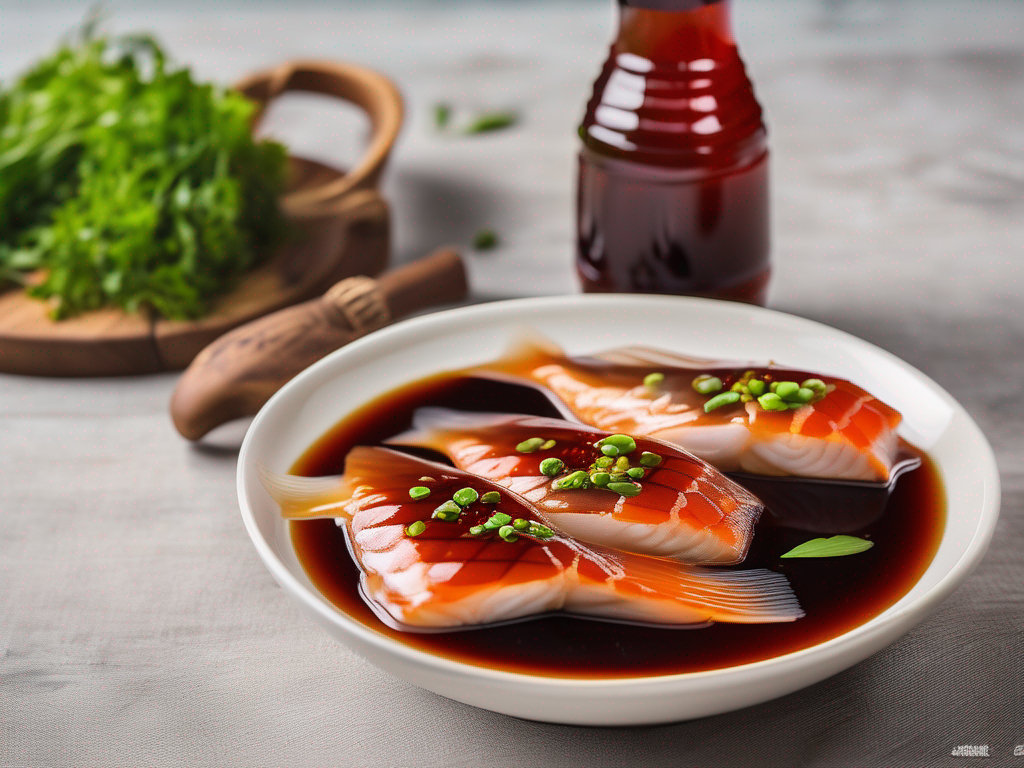
How Long Does Fish Sauce Last in the Refrigerator?
CanIEatExpired.com Team
# How Long Does Fish Sauce Last in the Refrigerator?

Fish sauce is a popular condiment in many cuisines, known for its savory and umami-rich flavor. It is commonly used in Southeast Asian dishes, adding depth and complexity to a wide range of recipes. If you’re a fan of fish sauce and use it regularly in your cooking, you may be wondering about its shelf life and how to properly store it to ensure its quality and safety. In this blog post, we’ll explore how long fish sauce lasts in the refrigerator and provide you with practical tips on proper storage. ([Fish sauce](https://canieatexpired.com/food/fish-sauce))

## Understanding Fish Sauce Shelf Life

Fish sauce is made from fermented fish and salt, giving it a potent flavor profile and high salt content, which acts as a natural preservative. When stored properly, fish sauce can have a long shelf life, retaining its flavor and quality for an extended period. However, like any food product, fish sauce can eventually spoil if not stored correctly.

### Factors Affecting Fish Sauce Shelf Life

Several factors can influence the shelf life of fish sauce, including:

1. **Quality of Ingredients**: The quality of the fish used and the fermentation process can impact the longevity of fish sauce.
2. **Storage Conditions**: Proper storage is crucial to maintaining the quality of fish sauce.
3. **Exposure to Air and Light**: Exposure to air and light can accelerate the degradation of fish sauce.

## How Long Does Fish Sauce Last in the Refrigerator?

When it comes to storing fish sauce, the refrigerator is your best friend. The cool, consistent temperature of the fridge helps slow down the degradation process, allowing you to enjoy your fish sauce for an extended period. Here’s a general guideline on how long fish sauce can last in the refrigerator:

- **Unopened Fish Sauce**: Unopened fish sauce can last indefinitely when stored in a cool, dark place like the refrigerator. The high salt content acts as a natural preservative, keeping the sauce fresh.
- **Opened Fish Sauce**: Once opened, fish sauce can last for about 2-3 years in the refrigerator. However, for the best quality and flavor, it is recommended to use it within 1 year of opening.

### Signs of Spoiled Fish Sauce

To ensure the safety and quality of your fish sauce, it’s essential to know the signs of spoilage:

- **Off Odor**: If your fish sauce smells rancid or foul, it has likely gone bad.
- **Unusual Texture**: Any changes in texture, such as clumping or separation, indicate spoilage.
- **Discoloration**: If your fish sauce has changed color or developed mold, it is no longer safe to consume.

## common situation

### situation 1: The Last-Minute Dinner Party

Imagine you’re hosting a last-minute dinner party and decide to whip up a delicious Thai green curry. You open up a bottle of fish sauce that’s been sitting in the fridge for six months, just to discover it smells off. You might think, “It’s just fish sauce; it should be fine,” but that’s when the importance of checking for spoilage kicks in. If you had used it without checking, you might have ruined your dish—and your guests’ appetites!

### situation 2: The Pantry Raid

In another situation, a friend of mine was cleaning out their pantry and stumbled upon an old bottle of fish sauce. Not wanting to waste it, they took a whiff and noticed it smelled a bit unusual. Instead of tossing it, they decided to use it anyway, thinking, “It’s just a little off.” They ended up with a dish that seemed fine initially but tasted odd—definitely a lesson learned about the importance of storing condiments properly and ensuring they’re fresh.

### situation 3: The Cooking Experiment

Let’s say you’re new to cooking Asian cuisine and decide to experiment with different recipes. You buy a bottle of fish sauce, use it for a couple of meals, but forget about it in the back of the fridge for several months. When you come back to it, you might wonder if it’s still usable. This situation highlights the importance of keeping track of your condiments and their best-by dates, even if they aren’t labeled as such.

## Proper Storage Tips for Fish Sauce

To maximize the shelf life of your fish sauce and maintain its quality, follow these storage tips:

1. **Refrigerate After Opening**: Always store your fish sauce in the refrigerator after opening to prolong its freshness.
2. **Securely Seal the Bottle**: Ensure the bottle is tightly sealed to prevent air exposure.
3. **Avoid Direct Sunlight**: Keep your fish sauce away from direct sunlight, as UV rays can degrade its quality.
4. **Check for Contamination**: Always use a clean utensil when dispensing fish sauce to prevent contamination.

### Additional Storage Techniques

While the refrigerator is the preferred storage method, it’s essential to consider how you handle your fish sauce. Here are some additional tips:

- **Use a Dark Bottle**: If you have the option, buy fish sauce in dark glass bottles, as these help minimize light exposure, which can degrade flavor over time.
- **Squeeze Bottles**: Consider transferring your fish sauce into a squeeze bottle for easier dispensing. This method can also help limit exposure to air and contamination when used.
- **Label Your Bottles**: If you frequently buy multiple types of sauces, label your bottles with the date you opened them. This simple practice can help you keep track of how long they’ve been in use.

## Common Mistakes

Many people don’t realize that fish sauce can go bad if not stored properly. Here are some common mistakes to avoid:

- **Not Refrigerating After Opening**: Some assume that because of the high salt content, fish sauce can be stored in the pantry indefinitely after opening. It’s best to refrigerate it to maintain its quality.
- **Ignoring Expiration Dates**: While fish sauce doesn’t technically have an expiration date, it does have a best-by date. Ignoring it could lead to using a subpar product.
- **Using Dirty Utensils**: Always use clean utensils when scooping out fish sauce. It’s a small detail, but it makes a significant difference in preventing contamination.

## Safety Warnings

While fish sauce is a robust condiment, it’s important to remember that food safety matters. Here are some safety considerations to keep in mind:

- **Watch for Allergens**: If you or someone you’re cooking for has a seafood allergy, be cautious with fish sauce. Its strong flavor can easily overpower a dish, so keep an eye on how much you use.
- **Consult with Experts**: If you’re unsure about the freshness of your fish sauce, consult with food safety experts or guidelines from reputable sources. It’s always better to be safe than sorry!

## Expert Insights on Fish Sauce Storage

As a food safety expert, I recommend that anyone who frequently uses fish sauce should familiarize themselves with proper storage techniques. The fermentation process that creates fish sauce does lend it a natural preservative quality, but the quality can diminish over time. To retain the utmost flavor, always prioritize proper storage practices.

Furthermore, consider using fish sauce in a variety of culinary contexts beyond its traditional uses. It can enhance marinades, salad dressings, and dipping sauces, making it a versatile addition to your pantry. Each use is an opportunity to explore the complex flavors it brings to your dishes.

## Conclusion

In conclusion, fish sauce is a versatile condiment that can elevate the flavors of your dishes. By understanding how long fish sauce lasts in the refrigerator and following proper storage practices, you can enjoy its unique taste for an extended period. Remember to check for signs of spoilage and adhere to the recommended storage guidelines to ensure the safety and quality of your fish sauce. With these tips in mind, you can continue to enjoy the rich, savory flavor of fish sauce in your culinary creations. ([Fish sauce](https://canieatexpired.com/food/fish-sauce))

## Related Posts

Here are some other articles you might find helpful:

- [The Ultimate Guide to Fish Sauce Expiration Date](/blog/fish-sauce-expiration-date)
- [The Ultimate Guide: Does Fish Sauce Need to be Refrigerated After Opening?](/blog/does-fish-sauce-need-to-be-refrigerated-after-opening)
- [How Long Does Fish Sauce Last After Expiration Date](/blog/how-long-does-fish-sauce-last-after-expiration-date)
- [Preventing Freezer Burn on Frozen Pad Thai](/blog/ways-to-prevent-freezer-burn-on-frozen-pad-thai)
- [How to Safely Store Frozen Pad Thai for Later Consumption](/blog/how-to-safely-store-frozen-pad-thai-for-later-consumption)
Authoritative Food Safety References
These agencies and university labs inform every tip and health precaution we publish.
USDAOfficial guidance
USDA FoodKeeper – Cold Storage Guidelines
Official refrigerator, freezer, and pantry timelines maintained by the U.S. Department of Agriculture.
Visit USDA FoodKeeperFDAOfficial guidance
FDA Produce Safety Rule & Grower Guidance
Field-to-fridge handling practices that prevent contamination of fruits, vegetables, and leafy greens.
Visit FDA Produce SafetyCDCOfficial guidance
CDC Foodborne Illness Prevention Hub
Surveillance-backed guidance on pathogens, symptoms, and steps to reduce foodborne illness risk.
Visit CDC Food SafetyResearchUniversity research
UC Davis Postharvest Technology Center
University research detailing optimal storage atmospheres for produce after harvest.
Visit UC Davis PostharvestResearchUniversity research
Penn State Extension – Home Food Preservation & Safety
Peer-reviewed extension bulletins on safe canning, chilling, and reheating practices.
Visit Penn State ExtensionDisclosure: As an Amazon Associate, we earn from qualifying purchases. This helps support our site and allows us to continue providing free food safety information.
Our articles are created using a combination of AI assistance and human review. All food safety information is based on USDA guidelines and credible sources. Learn more about our review process here.