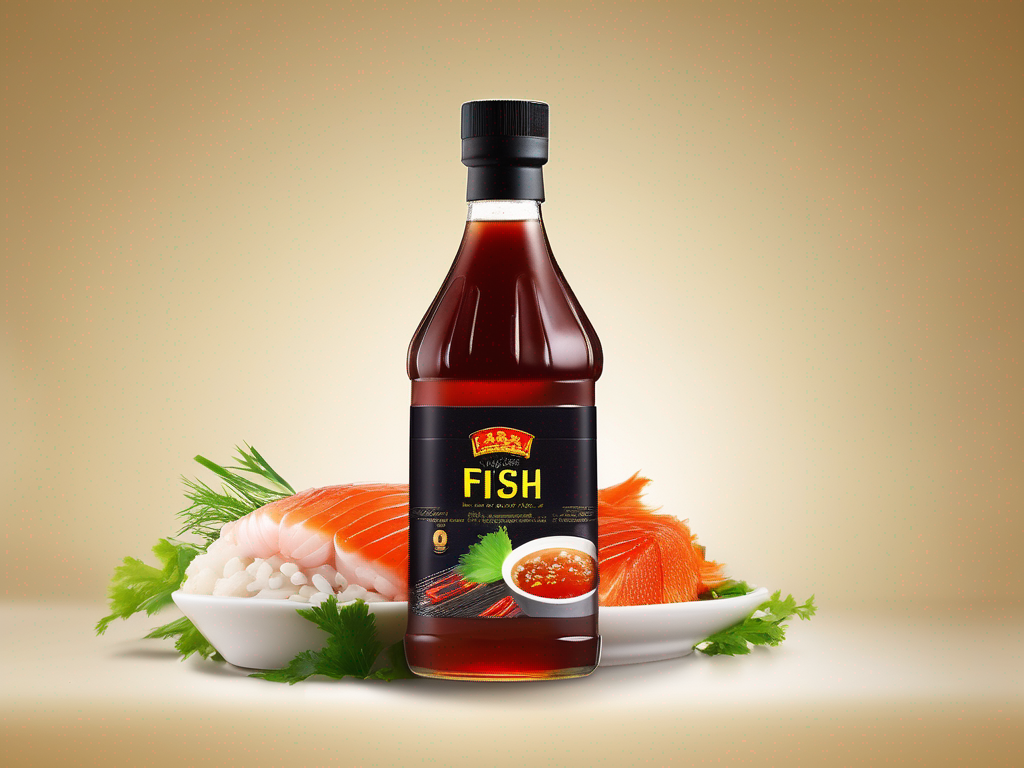
The Ultimate Guide to Fish Sauce Expiration Date
The Ultimate Guide to Fish Sauce Expiration Date
When it comes to adding depth of flavor to your favorite dishes, fish sauce is a staple ingredient in many Asian cuisines. Made from fermented fish and salt, fish sauce brings a unique umami taste to dishes like stir-fries, marinades, and dipping sauces. However, like all condiments, fish sauce does have an expiration date that you should be mindful of to ensure both the flavor and safety of your food. (Fish sauce)
In this comprehensive guide, we will delve into the world of fish sauce expiration dates, how to store fish sauce properly, and practical tips to ensure your fish sauce stays fresh and safe to use.
Understanding Fish Sauce Expiration Date
Fish sauce, like many other condiments, comes with an expiration date printed on the bottle. This date indicates the time until which the sauce is expected to retain its optimal flavor and quality. While consuming fish sauce past its expiration date may not necessarily make you sick, the flavor may deteriorate, and the sauce may lose its potency.
Proper cooking temperatures are essential for food safety. An instant-read food thermometer (Amazon) helps ensure meat reaches safe internal temperatures and reduces the risk of foodborne illness.
Factors Affecting Fish Sauce Shelf Life
Several factors can influence the shelf life of fish sauce:
- Quality of Ingredients: The quality of the fish and salt used in making the fish sauce can impact its longevity.
- Storage Conditions: Proper storage is crucial to maintaining the quality of fish sauce. Exposure to heat, light, and air can degrade the sauce faster.
- Packaging: The type of packaging can also affect how long the fish sauce remains fresh. Bottles with airtight seals tend to preserve the sauce better.
- Additives: Some fish sauces may contain preservatives or additives that can extend their shelf life.
How to Store Fish Sauce Properly
To ensure your fish sauce stays fresh and flavorful for as long as possible, follow these storage tips:
1. Cool and Dark Place
Store your fish sauce in a cool, dark place away from direct sunlight and heat sources like the stove or oven. A pantry or kitchen cabinet works well for this purpose.
Refrigerator temperature fluctuations can accelerate spoilage and increase food safety risks. A refrigerator thermometer (Amazon) helps monitor consistent cold storage (40°F or below).
2. Airtight Container
Keep the fish sauce in its original airtight bottle or transfer it to a glass container with a tight-fitting lid to prevent air from entering and causing the sauce to spoil faster.
3. Refrigeration
While not necessary, storing fish sauce in the refrigerator can help prolong its shelf life, especially if you live in a hot and humid climate.
4. Avoid Contamination
Always use clean utensils when scooping out fish sauce to prevent introducing bacteria into the bottle. Ensure the cap is tightly sealed after each use.
5. Check for Signs of Spoilage
Before using fish sauce, check for any signs of spoilage such as off smells, changes in color, or the presence of mold. If in doubt, it's best to discard the sauce.
common situation
Cooking Inspiration: The Family Dinner
Imagine it’s Friday night, and you're preparing a delicious Vietnamese pho for your family. You reach for your bottle of fish sauce, only to find that it’s been sitting in the pantry for a while. You glance at the expiration date and wonder if it’s safe to use. You remember the last time you made pho, the fish sauce added that wonderful umami flavor to the broth. Knowing how to check for spoilage and understanding the importance of proper storage helps you confidently use the sauce, ensuring your meal is not only safe but delicious!
A Last-Minute Marinade
Picture this situation: You’ve invited friends over for a barbecue, and you want to impress them with a quick marinade for your chicken. You grab your fish sauce, but as you open the bottle, there's a strange smell. You realize that you should have checked for spoilage before using it. This experience teaches you the importance of keeping track of your condiments and knowing their shelf life.
Scientific Context: How Fish Sauce Is Made
Fish sauce production is a fascinating process rooted in fermentation, which can significantly influence its flavor and shelf life. The fish—typically anchovies or other small fish—is layered with salt and left to ferment for several months, sometimes even years. This fermentation process not only enhances the flavor but also creates an environment that helps preserve the sauce. While the salt acts as a natural preservative, the fermentation process breaks down proteins into flavorful amino acids.
Due to this process, fish sauce has a relatively long shelf life, even past its expiration date, as long as it has been stored correctly. However, the flavor may not be as appealing as it would be within the freshness window marked by the expiration date.
Practical Tips for Using Fish Sauce
Fish sauce is a versatile ingredient that can elevate the flavor of many dishes. Here are some practical tips for using fish sauce in your cooking:
- Balancing Flavors: Use fish sauce sparingly to add depth and umami flavor to dishes without overpowering other ingredients.
- Marinades and Sauces: Fish sauce works wonders as a base for marinades or dipping sauces for meats, seafood, and vegetables.
- Stir-Fries: Add a splash of fish sauce to stir-fries for an extra savory kick.
- Soups and Broths: Enhance the flavor of soups and broths by incorporating fish sauce for a rich umami taste.
- Salad Dressings: Create tangy and savory salad dressings by combining fish sauce with citrus, herbs, and a touch of sweetness.
Common Mistakes to Avoid
Many people don’t realize that fish sauce can lose its potency over time, even if it’s not considered spoiled. Using fish sauce that’s well past its expiration date without checking for spoilage is a common mistake. Additionally, some may think that all fish sauces are created equal, but the quality varies widely, so choosing a reputable brand can make a significant difference in flavor.
Another common pitfall is improper storage. Some might leave their fish sauce on the countertop, exposing it to light and heat. Keep in mind that even though fish sauce is fermented and salty, it still requires proper care to maintain its flavor profile.
Expert Insights
Professional chefs often recommend tasting your fish sauce regularly to gauge its flavor profile and potency, especially if you've had it for a while. If you're unsure whether it’s still good, consider using it in a less prominent dish first. For instance, add a teaspoon to a larger pot of soup or sauce before committing to a full recipe. This way, you can evaluate the flavor without risking your entire meal.
Also, many chefs emphasize the importance of using fish sauce in moderation. A little goes a long way! It’s always better to start with a smaller amount and gradually add more to suit your taste.
Storage Methods: Enhance the Longevity of Your Fish Sauce
If you want to take extra precautions with your fish sauce, consider these advanced storage techniques:
Vacuum Sealing
Vacuum sealing your fish sauce in an airtight bag can significantly extend its shelf life by eliminating exposure to air. This method works best for larger quantities you may not use frequently.
Portion Control
If you buy fish sauce in bulk, consider transferring smaller amounts into smaller bottles for regular use. This limits the exposure of the bulk source to air, light, and contamination.
Labeling
When you open a bottle of fish sauce, label it with the opening date and expiration date. This simple step will help you keep track of how long you’ve had it and ensure you use it while it’s still at its best.
Safety Warnings
While fish sauce is generally safe for consumption, it’s essential to note that it contains high sodium levels. Those monitoring their salt intake should use fish sauce sparingly. Additionally, individuals with fish allergies should avoid fish sauce altogether, as it can trigger allergic reactions.
Always be cautious of cross-contamination when using utensils. Avoid dipping spoons directly into the bottle, and instead, pour the desired amount into a separate container for use.
Conclusion
In conclusion, understanding the expiration date of fish sauce and knowing how to store it properly are essential for maintaining its quality and flavor. By following the tips outlined in this guide, you can ensure that your fish sauce remains fresh and safe to use in your culinary creations. Remember, a little fish sauce can go a long way in enhancing the taste of your dishes, so use it wisely and enjoy the umami goodness it brings to your cooking! (Fish sauce)
Related Posts
Here are some other articles you might find helpful:
Authoritative Food Safety References
These agencies and university labs inform every tip and health precaution we publish.
USDA FoodKeeper – Cold Storage Guidelines
Official refrigerator, freezer, and pantry timelines maintained by the U.S. Department of Agriculture.
Visit USDA FoodKeeperFDA Produce Safety Rule & Grower Guidance
Field-to-fridge handling practices that prevent contamination of fruits, vegetables, and leafy greens.
Visit FDA Produce SafetyCDC Foodborne Illness Prevention Hub
Surveillance-backed guidance on pathogens, symptoms, and steps to reduce foodborne illness risk.
Visit CDC Food SafetyUC Davis Postharvest Technology Center
University research detailing optimal storage atmospheres for produce after harvest.
Visit UC Davis PostharvestPenn State Extension – Home Food Preservation & Safety
Peer-reviewed extension bulletins on safe canning, chilling, and reheating practices.
Visit Penn State ExtensionDisclosure: As an Amazon Associate, we earn from qualifying purchases. This helps support our site and allows us to continue providing free food safety information.