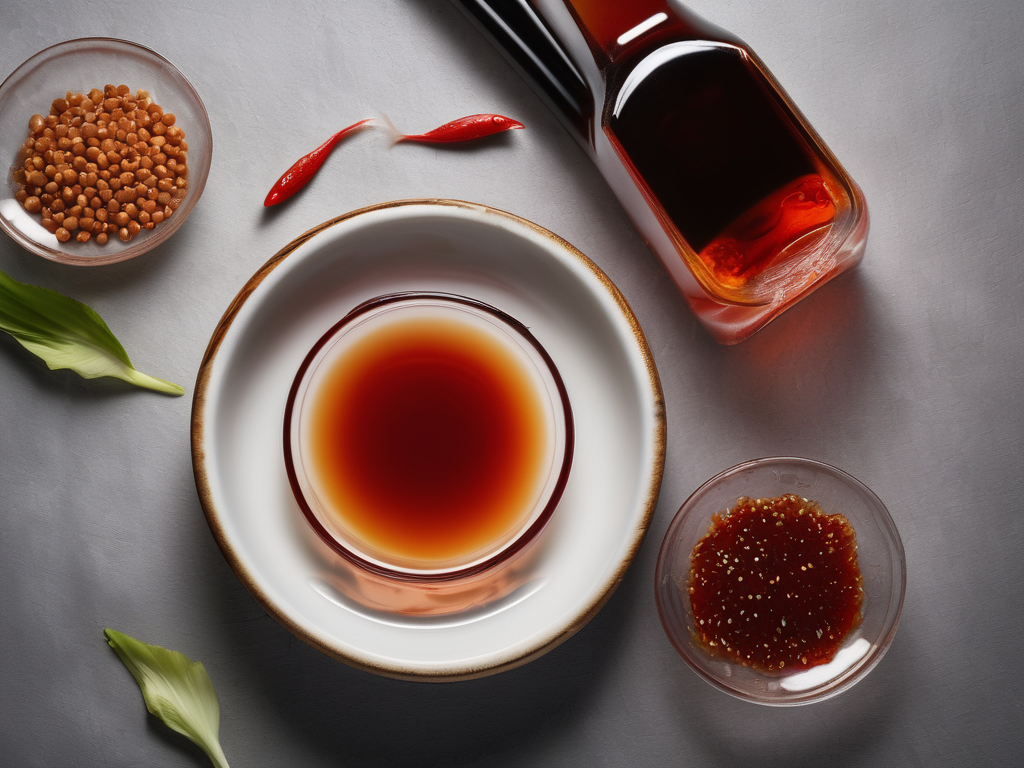
How Long Does Fish Sauce Last After Expiration Date
CanIEatExpired.com Team
# How Long Does Fish Sauce Last After Expiration Date

Fish sauce is a popular condiment in many Asian cuisines, known for its rich umami flavor and versatility in cooking. However, like any food product, fish sauce also has a shelf life and can expire if not stored properly. In this blog post, we will discuss how long fish sauce lasts after the expiration date, how to tell if it has gone bad, and practical tips for storage to ensure its quality and safety. ([Fish sauce](https://canieatexpired.com/food/fish-sauce))

## Understanding Fish Sauce Expiration Date

Fish sauce typically comes with a "best by" or expiration date printed on the bottle. While this date indicates the period during which the sauce is expected to be at its best quality in terms of flavor and aroma, it does not necessarily mean that the sauce is unsafe to consume after that date.

### Factors Influencing Fish Sauce Shelf Life

Several factors can affect the shelf life of fish sauce, including:
- Storage conditions (temperature, light exposure)
- Quality of the product
- Presence of preservatives

## How Long Can You Use Fish Sauce After Expiration Date?

Fish sauce is a fermented product, which means it has a long shelf life even after the expiration date. In general, unopened fish sauce can last for several months to a few years past the expiration date if stored properly. However, once opened, the sauce may start to degrade faster.

### common situation: When You Might Encounter Expired Fish Sauce

1. **A Last-Minute Dinner Party**: Imagine you're hosting a spontaneous dinner party and craving a classic Pad Thai. You rummage through your pantry and find an older bottle of fish sauce. It's past the expiration date, but you remember reading that it can last longer if stored well. You decide to give it a whiff and check for any discoloration. Satisfied, you add it to your dish, and it turns out delicious!

2. **Post-Pandemic Pantry Cleanup**: Many people found themselves cleaning out their kitchens during lockdowns. Someone might discover a fish sauce bottle hidden in the back of the cupboard, long past its expiration date. Unsure whether it’s still good, they research online and find that, as long as there are no signs of spoilage, it can still be used in cooking.

3. **Family Heirloom Recipe**: A home cook decides to recreate a beloved family recipe that includes fish sauce. Going through the cabinet, they find an unopened bottle that expired a year ago. They decide to consult a food expert to verify its safety before using it, ensuring they respect their family's culinary tradition without compromising safety.

4. **Cooking Class Surprise**: Imagine attending a cooking class focused on authentic Vietnamese cuisine. As you gather ingredients, the instructor pulls out a bottle of fish sauce that’s past its expiration date—something he’s used for years! He explains that the fermentation process keeps it safe, as long as you trust your senses.

5. **Camping Adventure**: Picture a family on a camping trip, trying to whip up a delicious meal over a fire. They pull out a bottle of fish sauce that’s a bit older, but they remember it from their kitchen at home. After a quick check, they decide to use it in their marinade for grilled vegetables, enhancing the meal with that punch of flavor.

### Signs That Fish Sauce Has Gone Bad

To determine if fish sauce has gone bad, look out for the following signs:
1. **Unpleasant odor:** If the fish sauce smells off, rancid, or has a strong ammonia-like odor, it is likely spoiled.
2. **Changes in color:** Fresh fish sauce is typically dark brown in color. If you notice any discoloration or cloudiness, it may indicate spoilage.
3. **Presence of mold:** Any signs of mold growth on the surface of the fish sauce indicate that it has spoiled and should be discarded.

## Proper Storage Tips for Fish Sauce

To extend the shelf life of fish sauce and maintain its quality, follow these storage tips:

### Before Opening:
- Store fish sauce in a cool, dark place away from direct sunlight.
- Check the expiration date before purchasing and opt for products with a longer shelf life.

### After Opening:
- Keep the fish sauce tightly sealed to prevent air exposure.
- Store it in the refrigerator to slow down the oxidation process and maintain its flavor.

### Additional Tips:
- Avoid transferring fish sauce to a different container unless necessary.
- Use a clean utensil to scoop out the sauce to prevent contamination.

### Common Mistakes to Avoid
1. **Storing it in a warm place**: Many people overlook temperature control and store fish sauce in kitchen cabinets near the stove. Heat can degrade the quality faster, so always choose a cooler spot.
2. **Ignoring signs of spoilage**: If you notice an off smell or unusual appearance, some may be tempted to ignore it due to the nature of fermentation. However, your health should come first.
3. **Using a dirty spoon**: Using a spoon that has been in contact with other food can introduce bacteria, leading to spoilage. Always use a clean utensil!

## Scientific Context: Understanding Fermentation and Preservation

Fish sauce is a product of fermentation, where fish (usually anchovies) are salted and aged. This process not only helps develop the complex flavors but also creates an environment that inhibits the growth of harmful bacteria. The high salt content acts as a preservative, allowing fish sauce to last longer than many other condiments.

Generally, the umami flavor present in fish sauce comes from the breakdown of proteins into amino acids during fermentation. The longer the fermentation, the stronger the umami flavor, which is why some fish sauces are labeled as "aged." This also means that even after the expiration date, the flavor may still be present, though it may not be as vibrant.

### Nutritional Insights

Fish sauce is not only a flavor enhancer but also contributes certain nutrients. It contains amino acids, vitamins, and minerals, including vitamin B12 and omega-3 fatty acids. However, it’s important to be mindful of sodium content, as fish sauce can be quite high in salt. If you're watching your sodium intake, consider using smaller amounts or diluting it in your dishes.

## Expert Insights: Recommendations for Fish Sauce Usage

Food safety experts recommend always checking your ingredients before cooking, especially if using items that are close to or past their expiration date. If you’re unsure, cooking the sauce can help eliminate potential harmful bacteria, as high temperatures kill most pathogens.

Additionally, try to limit the amount of fish sauce you buy in bulk if you're not a frequent user. Smaller bottles might be more suitable for occasional cooks to ensure you enjoy the best flavor profile without the risk of spoilage down the line.

### Practical Tips for Flavor Enhancement

- **Experiment with Pairings**: Fish sauce can enhance not only Asian dishes but also a variety of recipes. Try adding a dash to dressings, marinades, or even stews for a depth of flavor.
- **Start Small**: If you're new to cooking with fish sauce, start with small amounts. You can always add more, but it’s harder to mask an overpowering flavor.

## Storage Methods: Beyond Basic Refrigeration

- **Freezing Fish Sauce**: While it’s not common to freeze fish sauce, you can do so if you have a large quantity. Pour the sauce into ice cube trays and freeze. Once solid, transfer the cubes to a freezer-safe bag. This way, you can easily use small amounts without needing to thaw the entire batch.
- **Using Vacuum-Sealed Containers**: For those who make their sauce or purchase it in bulk, consider using vacuum-sealed containers. This can help extend the shelf life even further by minimizing air exposure.

### Creative Storage Solutions

- **Use Dark Glass Bottles**: If you transfer fish sauce to a new container, opt for dark glass bottles. These protect the sauce from light, which can degrade flavor.
- **Label with Dates**: If you frequently buy new fish sauce, consider marking the date of purchase on the label. This helps you keep track of its age and usage.

## Safety Warnings: Important Considerations

- **Be Cautious with Older Bottles**: Even if no signs of spoilage are visible, it’s wise to be cautious with older bottles, particularly if they’ve been opened for a long time. Consuming spoiled fish sauce can lead to foodborne illness.
- **Consult a Health Professional**: If you have specific health concerns related to sodium intake or allergies, don’t hesitate to consult a healthcare provider for personalized advice.

## Conclusion

In conclusion, fish sauce can last well beyond its expiration date if stored properly. By following the storage tips mentioned in this post and paying attention to signs of spoilage, you can enjoy the rich flavors of fish sauce in your dishes without compromising safety. Remember to trust your senses and use common sense when determining the quality of fish sauce before using it in your recipes. ([Fish sauce](https://canieatexpired.com/food/fish-sauce))

## Related Posts

Here are some other articles you might find helpful:

- [Preventing Freezer Burn on Frozen Pad Thai](/blog/ways-to-prevent-freezer-burn-on-frozen-pad-thai)
- [How to Safely Store Frozen Pad Thai for Later Consumption](/blog/how-to-safely-store-frozen-pad-thai-for-later-consumption)
- [Proper Storage of Fish Sauce: Commercially Bottled Unopened or Opened](/blog/how-to-properly-store-fish-sauce-commercially-bottled-unopened-or-opened-to-avoid-spoilage)
- [What to Do If Fish Sauce Smells Off or Has Changed Color](/blog/what-to-do-if-fish-sauce-smells-off-or-has-changed-color)
- [The Ultimate Guide to Properly Storing Fish Sauce for Extended Shelf Life](/blog/how-to-properly-store-fish-sauce-to-extend-its-shelf-life)

Authoritative Food Safety References
These agencies and university labs inform every tip and health precaution we publish.
USDAOfficial guidance
USDA FoodKeeper – Cold Storage Guidelines
Official refrigerator, freezer, and pantry timelines maintained by the U.S. Department of Agriculture.
Visit USDA FoodKeeperFDAOfficial guidance
FDA Produce Safety Rule & Grower Guidance
Field-to-fridge handling practices that prevent contamination of fruits, vegetables, and leafy greens.
Visit FDA Produce SafetyCDCOfficial guidance
CDC Foodborne Illness Prevention Hub
Surveillance-backed guidance on pathogens, symptoms, and steps to reduce foodborne illness risk.
Visit CDC Food SafetyResearchUniversity research
UC Davis Postharvest Technology Center
University research detailing optimal storage atmospheres for produce after harvest.
Visit UC Davis PostharvestResearchUniversity research
Penn State Extension – Home Food Preservation & Safety
Peer-reviewed extension bulletins on safe canning, chilling, and reheating practices.
Visit Penn State Extension❓
Frequently Asked Questions
Can you still use fish sauce if it has expired?
While fish sauce may still be safe to consume after the expiration date, the quality and flavor may deteriorate over time. It is best to discard fish sauce if it shows any signs of spoilage or if it has been stored improperly.
How should fish sauce be stored to prolong its shelf life?
To extend the shelf life of fish sauce, it should be stored in a cool, dark place away from direct sunlight and heat sources. Additionally, make sure the bottle is tightly sealed to prevent air exposure, which can lead to faster deterioration.
What are the signs that fish sauce has gone bad?
Signs that fish sauce has gone bad include a sour or rancid smell, changes in color or texture, and the presence of mold or cloudiness. If you notice any of these signs, it is best to discard the fish sauce to avoid any potential health risks.
Can fish sauce make you sick if consumed after the expiration date?
Consuming fish sauce after the expiration date may not necessarily make you sick, but it is always recommended to exercise caution and use your best judgment. If the fish sauce shows any signs of spoilage or if you are unsure about its safety, it is best to err on the side of caution and avoid consuming it.
📚
Citations
Disclosure: As an Amazon Associate, we earn from qualifying purchases. This helps support our site and allows us to continue providing free food safety information.
Our articles are created using a combination of AI assistance and human review. All food safety information is based on USDA guidelines and credible sources. Learn more about our review process here.