How Long Do Bagels Last in the Fridge?
CanIEatExpired.com Team
# How Long Do Bagels Last in the Fridge?

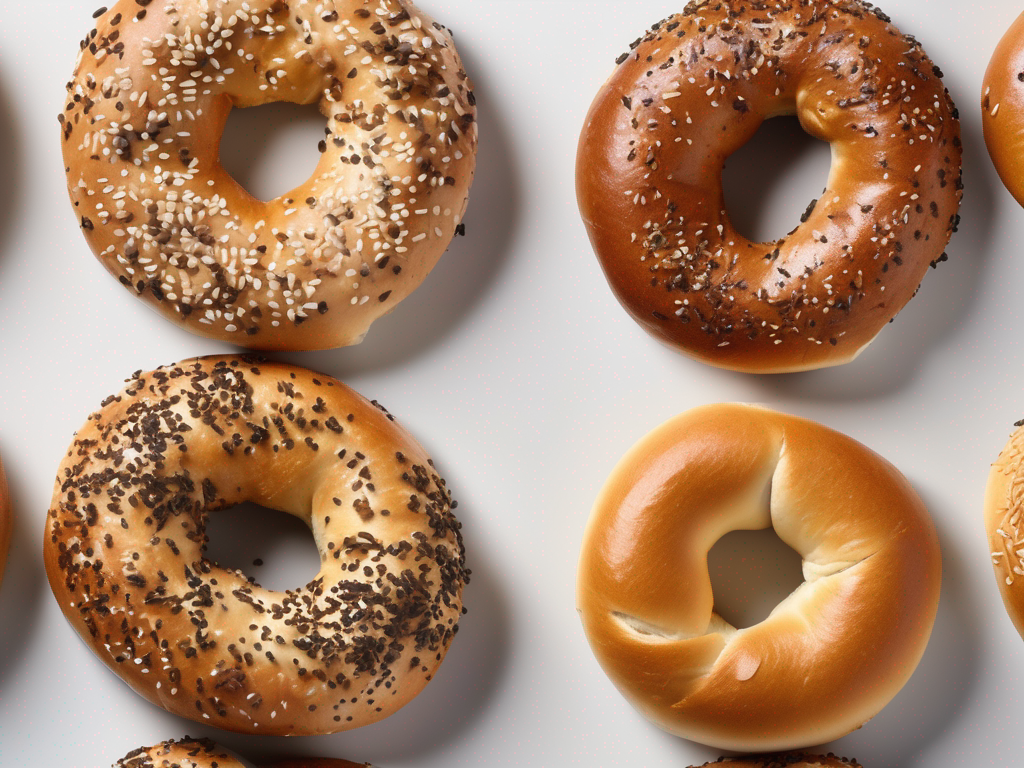
Bagels are a popular breakfast and snack item enjoyed by many around the world. Whether you prefer them plain, seeded, or flavored, bagels are a versatile food that can be enjoyed in various ways. If you're a bagel lover but find yourself with more bagels than you can eat in one sitting, you may be wondering how long bagels last in the fridge. In this post, we'll explore the answer to that question and provide you with some practical tips on storing bagels safely. ([Bagels](https://canieatexpired.com/food/bagels))

## Why Refrigerate Bagels?

Before we dive into how long bagels last in the fridge, let's discuss why you might want to refrigerate them in the first place. Bagels are typically made with ingredients like flour, water, yeast, and sometimes added ingredients like seeds or dried fruits. These ingredients can lead to mold growth if the bagels are not stored properly. Refrigerating bagels can help slow down the growth of mold and bacteria, extending their shelf life.

### How Long Do Bagels Last in the Fridge?

The shelf life of bagels in the fridge can vary depending on various factors such as the ingredients used, storage conditions, and whether they are homemade or store-bought. Here are some general guidelines on how long you can expect your bagels to last in the fridge:

- **Store-Bought Bagels:** Store-bought bagels typically come with a "sell-by" or "best-by" date on the packaging. When stored in the fridge, store-bought bagels can last for about 5-7 days past the printed date.
- **Homemade Bagels:** If you've made your own batch of bagels at home, they can last for 2-3 days in the fridge. Homemade bagels tend to have fewer preservatives than store-bought ones, so they have a shorter shelf life.

### Tips for Storing Bagels in the Fridge

To ensure your bagels stay fresh and safe to eat for as long as possible, follow these tips for storing bagels in the fridge:

1. **Proper Packaging:** Store bagels in an airtight container or resealable plastic bag to prevent them from drying out or absorbing odors from other foods in the fridge.
2. **Avoid Moisture:** Moisture can lead to mold growth on bagels. Place a paper towel in the container with the bagels to absorb any excess moisture.
3. **Freezing:** If you don't plan on eating your bagels within the recommended timeframe, consider freezing them. Wrap individual bagels in plastic wrap and store them in a freezer-safe bag. Frozen bagels can last for up to 3 months.
4. **Thawing:** When ready to eat a frozen bagel, allow it to thaw in the fridge overnight or microwave it for a quick defrost.

### common situation

Imagine it’s a busy Monday morning, and you’ve just returned from a weekend bagel brunch with friends, bringing home a dozen assorted bagels. Your intentions were to enjoy them throughout the week, but by Wednesday, you’re staring at a dwindling supply of bagels and wondering if they’re still good to eat. You remember that you put them in the fridge, but it feels like a gamble. This situation is common for many bagel lovers who may find themselves with leftovers.

Another situation could involve a college student living in a dorm. With a tight budget and limited cooking facilities, they buy a pack of bagels, thinking they’ll last for the week. However, life gets busy with assignments and social outings, and those bagels remain untouched in the fridge. It’s a classic case of good intentions mixed with life's unpredictability.

Or Common situations include that enjoys bagels on Saturdays but often forgets about them during the week. They might pull out a bag of bagels on a Sunday morning only to realize they have a few that are starting to look less than appealing. Understanding proper storage can help prevent these situations from happening!

### Signs Your Bagels Have Gone Bad

It's essential to know the signs that your bagels have gone bad to avoid getting sick from consuming spoiled food. Here are some indicators that your bagels may have gone bad:

- **Visible Mold:** If you see any mold growth on the surface of the bagels, discard them immediately.
- **Off Odor:** If your bagels have a sour or off-putting smell, they may have spoiled.
- **Texture Changes:** Bagels that have become excessively dry, sticky, or slimy should not be consumed.

### Scientific Context of Bagel Preservation

Understanding the science behind food spoilage can help you appreciate the importance of proper bagel storage. The primary culprit behind bagel spoilage is moisture, which facilitates the growth of mold and bacteria. Mold thrives in humid environments, and bagels, with their soft texture, can retain moisture if not stored correctly.

Additionally, the yeast used in bagels can continue to ferment if stored improperly, leading to changes in flavor and texture. Refrigerating bagels helps slow down these processes; however, it's also worth noting that refrigeration can sometimes alter the bagel's texture, making them a bit chewier than when fresh. This is why many people opt to freeze bagels instead, preserving their integrity better while also extending their shelf life.

### Practical Tips Beyond the Basics

If you want to go a step further in extending the life of your bagels, consider the following tips:

- **Use Vacuum Sealing:** For those who have a vacuum sealer at home, this is an excellent way to store bagels for longer periods. By removing air, you reduce the chances of freezer burn and maintain the bagel's freshness.
- **Slice Before Freezing:** If you know you’ll only want half a bagel at a time, slice them before freezing. This makes it easy to toast a single serving without having to thaw the entire bagel.
- **Experiment with Toppings:** If you find that some bagels are starting to lose their freshness, consider toasting them and adding toppings like cream cheese, avocado, or smoked salmon. This can revive the flavor and make them more enjoyable even if they are a few days old.

### Common Mistakes When Storing Bagels

Many people unknowingly make mistakes that can lead to quicker spoilage of their bagels. Here are a few common pitfalls to avoid:

- **Not Sealing Properly:** Leaving bagels in their original packaging can expose them to air and moisture, which hastens spoilage. Always transfer them to an airtight container or bag.
- **Storing in the Wrong Place:** Some people might assume the pantry is a good place for bagels. However, if your kitchen is warm or humid, the fridge is a safer bet.
- **Ignoring Thawing Techniques:** Thawing bagels in a microwave can lead to uneven heating and a rubbery texture. It's best to let them thaw in the fridge or toast them from frozen.

### Expert Insights on Bagel Storage

Food safety experts recommend regularly checking your bagels for freshness, especially if you’ve had them in the fridge for several days. It’s a good practice to write down the date you placed them in the fridge, so you can easily track how long they’ve been stored.

Additionally, if you have leftover bagels that you’re unsure about, it’s always safer to err on the side of caution. When in doubt, throw it out! It's better to waste a bagel than to risk your health.

### Conclusion

In conclusion, bagels can last for about 5-7 days in the fridge if stored properly. By following the tips mentioned in this post, you can extend the shelf life of your bagels and enjoy them fresh for longer. Remember to always check for signs of spoilage before consuming bagels to ensure they are safe to eat. Whether you prefer plain bagels or enjoy experimenting with different flavors, proper storage is key to maintaining their freshness. Enjoy your bagels with peace of mind knowing they are stored safely in the fridge. ([Bagels](https://canieatexpired.com/food/bagels))

## Related Posts

Here are some other articles you might find helpful:

- [How Long Can Bagels Last in the Fridge: A Comprehensive Guide](/blog/how-long-can-bagels-last-in-the-fridge)
- [How Long Will Bagels Last in the Fridge?](/blog/how-long-will-bagels-last-in-the-fridge)
- [The Ultimate Guide to Cream Cheese Expiration Date](/blog/cream-cheese-expiration-date)
- [How Long is Cream Cheese Good for Unopened?](/blog/how-long-is-cream-cheese-good-for-unopened)
- [Is it Safe to Eat Expired Bagels?](/blog/is-it-safe-to-eat-expired-bagels)
Authoritative Food Safety References
These agencies and university labs inform every tip and health precaution we publish.
USDAOfficial guidance
USDA FoodKeeper – Cold Storage Guidelines
Official refrigerator, freezer, and pantry timelines maintained by the U.S. Department of Agriculture.
Visit USDA FoodKeeperFDAOfficial guidance
FDA Produce Safety Rule & Grower Guidance
Field-to-fridge handling practices that prevent contamination of fruits, vegetables, and leafy greens.
Visit FDA Produce SafetyCDCOfficial guidance
CDC Foodborne Illness Prevention Hub
Surveillance-backed guidance on pathogens, symptoms, and steps to reduce foodborne illness risk.
Visit CDC Food SafetyResearchUniversity research
UC Davis Postharvest Technology Center
University research detailing optimal storage atmospheres for produce after harvest.
Visit UC Davis PostharvestResearchUniversity research
Penn State Extension – Home Food Preservation & Safety
Peer-reviewed extension bulletins on safe canning, chilling, and reheating practices.
Visit Penn State ExtensionDisclosure: As an Amazon Associate, we earn from qualifying purchases. This helps support our site and allows us to continue providing free food safety information.
Our articles are created using a combination of AI assistance and human review. All food safety information is based on USDA guidelines and credible sources. Learn more about our review process here.