How Long Will Bagels Last in the Fridge?
CanIEatExpired.com Team
# How Long Will Bagels Last in the Fridge?

Bagels are a popular breakfast and snack option enjoyed by many. Whether you buy them fresh from a bakery or store, or make them at home, it's important to know how to store them properly to maintain their freshness and quality. In this blog post, we will discuss how long bagels can last in the fridge, along with some tips on how to store them correctly to prolong their shelf life. ([Bagels](https://canieatexpired.com/food/bagels))

## Understanding Bagel Shelf Life

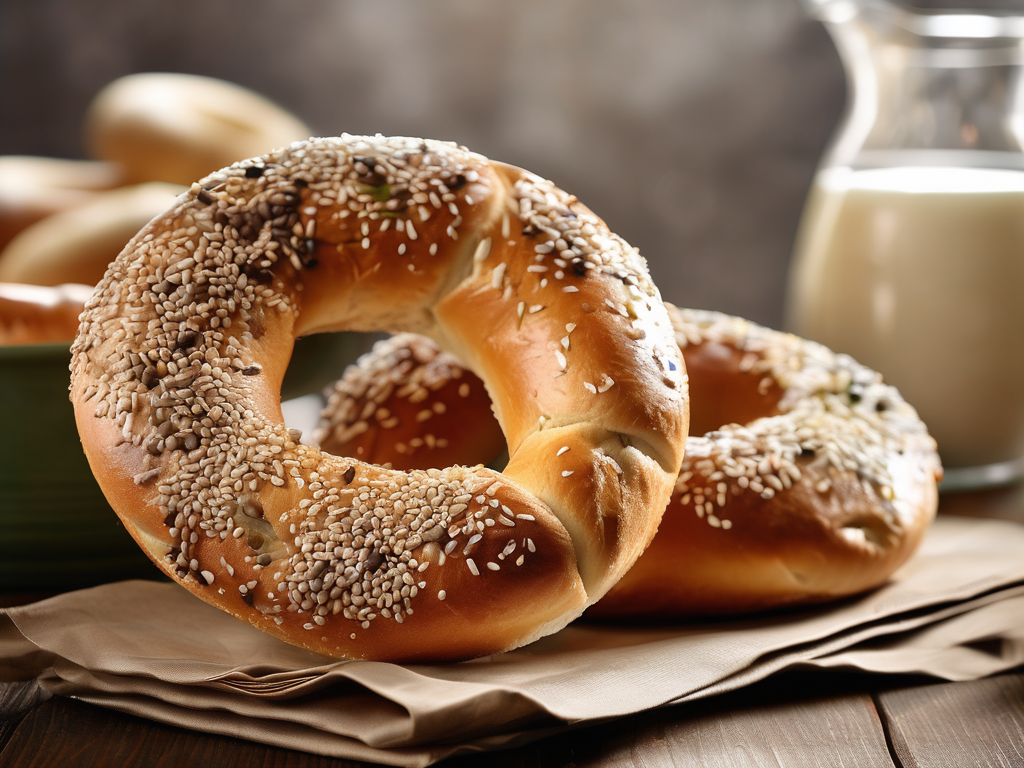
Bagels are a type of bread product that typically have a chewy texture and a shiny, golden crust. They are made from flour, water, yeast, salt, and sometimes sugar. Bagels can come in various flavors and toppings, such as sesame, poppy seeds, or cinnamon raisin.

Bagels are best consumed fresh, ideally within a day or two of purchase or baking. However, if you have more bagels than you can eat in a short period, storing them in the fridge can help extend their shelf life.

### Factors Affecting Bagel Freshness

Several factors can affect how long bagels will last in the fridge:

1. **Ingredients**: The quality of ingredients used to make the bagels can impact their shelf life.

2. **Storage Conditions**: Proper storage is crucial. Bagels stored in the fridge will last longer than those left at room temperature.

3. **Toppings**: Bagels with toppings like seeds or dried fruit may have a shorter shelf life due to the added moisture content.

4. **Moisture Content**: Bagels with a higher moisture content may spoil more quickly.

## How Long Do Bagels Last in the Fridge?

The shelf life of bagels in the fridge can vary depending on various factors. On average, properly stored bagels can last:

- **Freshly baked bagels**: 2-3 days in the fridge.
- **Store-bought bagels**: 5-7 days in the fridge.
- **Homemade bagels**: 4-5 days in the fridge.

### Tips for Storing Bagels in the Fridge

To maximize the shelf life of your bagels in the fridge, follow these tips:

1. **Proper Packaging**: Store bagels in airtight containers or resealable bags to prevent them from drying out or absorbing odors from other foods in the fridge.

2. **Avoid Moisture**: Ensure the bagels are completely cooled before storing them to prevent condensation inside the packaging, which can make them soggy.

3. **Separate Bagels**: If storing multiple bagels, place a piece of parchment paper or wax paper between them to prevent sticking.

4. **Reheating**: To refresh stale bagels, wrap them in foil and heat them in the oven at 350°F for 10-15 minutes.

## common situation

Imagine this: You’ve just purchased a dozen delicious bagels for your weekend brunch with friends. After the feast, you realize you have a few left over. You don’t want them to go to waste, so you pop them into the fridge, but you’re unsure about how long they'll actually last. Perhaps you’ve seen those bagel sandwiches in your local café, and you wonder if you can recreate the magic! Understanding how to store your bagels properly can help you enjoy those delightful sandwich creations throughout the week.

Another situation could be a busy professional who buys a pack of bagels on Monday as a quick breakfast solution. By Thursday, they’re frantically searching the fridge for something to eat, only to find their bagels have gone stale. Learning how to store bagels correctly could save them from a dreary breakfast routine and bring back the joy of a fresh bagel smothered in cream cheese or avocado.

## Scientific Context

When it comes to bread products like bagels, freshness is primarily influenced by moisture and air exposure. Bagels are boiled before baking, which gives them that unique chewy texture and shiny exterior. This process also impacts their shelf life. The outer crust creates a barrier that can help retain moisture, but if that crust is compromised by improper storage, moisture can escape, leaving you with a dry bagel.

Bacterial growth can also be a concern. Storing bagels in the fridge slows down the growth of mold and bacteria, but it doesn’t completely stop it. This is why it’s essential to check for any signs of spoilage, even if you’ve stored your bagels correctly.

### Nutritional Information

Bagels can be a nutritious part of your diet when enjoyed in moderation. A standard plain bagel has around 250-300 calories, depending on its size and ingredients. They’re typically low in fat but can be high in carbohydrates. For a healthier option, consider whole-grain or sprouted bagels, which offer more fiber and nutrients. Pairing your bagel with protein-rich toppings like cream cheese, smoked salmon, or nut butter can create a more balanced meal.

## Common Mistakes

Many people mistakenly believe that keeping their bagels in the fridge will make them last indefinitely. While refrigeration does slow down spoilage, it doesn’t stop it entirely. Another common error is not sealing the bagels properly. If you place them in a bag without removing the air, they can still become stale.

Additionally, some folks might overlook the importance of checking their bagels regularly for signs of spoilage. If you see any fuzz, it’s best to err on the side of caution and toss them out. Remember: it’s better to waste a bagel than risk foodborne illness!

## Expert Insights

Food safety experts recommend that consumers should always prioritize freshness when it comes to baked goods. If you’re unsure about the freshness of your bagels, consider the 2-hour rule: if the bagels have been left at room temperature for longer than two hours, they should be refrigerated or discarded. This rule applies to all perishable items, including bagels with cream cheese or other spreads.

In addition, consider freezing your bagels if you don’t think you’ll consume them within their safe fridge life. Freezing can extend their shelf life significantly—up to several months! Just make sure to wrap them tightly in plastic wrap or aluminum foil before placing them in a freezer-safe bag to prevent freezer burn.

## Storage Methods

If you decide to freeze your bagels, there are some effective methods to ensure they taste just as good when thawed. First, slice the bagels before freezing them. This makes it easier to toast them directly from the freezer, saving you time and effort when you crave a quick snack.

When you’re ready to enjoy your frozen bagel, simply remove it from the freezer and let it sit at room temperature for about 15-20 minutes before popping it in the toaster or oven. Alternatively, you can microwave it for about 30-45 seconds but be cautious not to overdo it, as microwaving can lead to a chewy texture.

## Safety Precautions

While storing bagels in the fridge can help extend their shelf life, it's essential to practice food safety to prevent foodborne illnesses:

- **Check for Mold**: Discard any bagels that show signs of mold growth.
- **Smell Test**: If the bagels have an off smell or taste, it's best to discard them.
- **Refrigerator Temperature**: Ensure your fridge is set to the proper temperature (below 40°F) to prevent bacterial growth.

## Conclusion

In conclusion, bagels can last for several days in the fridge if stored properly. By following the tips mentioned above and practicing good food safety habits, you can enjoy fresh and delicious bagels for longer periods. Remember to check the quality of the bagels before consuming them and discard any that show signs of spoilage. Enjoy your bagels while they are at their best!

For more information on bagels, visit our [bagels](/food/bagels) page. ([Bagels](https://canieatexpired.com/food/bagels))

## Related Posts

Here are some other articles you might find helpful:

- [The Ultimate Guide to Cream Cheese Expiration Date](/blog/cream-cheese-expiration-date)
- [How Long is Cream Cheese Good for Unopened?](/blog/how-long-is-cream-cheese-good-for-unopened)
- [Is it Safe to Eat Expired Bagels?](/blog/is-it-safe-to-eat-expired-bagels)
- [How to Store Bagels to Keep Them Fresh Longer](/blog/how-to-store-bagels-to-keep-them-fresh-longer)
- [Preventing Mold on Bagels: Storage Tips and Tricks](/blog/preventing-mold-on-bagels-storage-tips-and-tricks)
Authoritative Food Safety References
These agencies and university labs inform every tip and health precaution we publish.
USDAOfficial guidance
USDA FoodKeeper – Cold Storage Guidelines
Official refrigerator, freezer, and pantry timelines maintained by the U.S. Department of Agriculture.
Visit USDA FoodKeeperFDAOfficial guidance
FDA Produce Safety Rule & Grower Guidance
Field-to-fridge handling practices that prevent contamination of fruits, vegetables, and leafy greens.
Visit FDA Produce SafetyCDCOfficial guidance
CDC Foodborne Illness Prevention Hub
Surveillance-backed guidance on pathogens, symptoms, and steps to reduce foodborne illness risk.
Visit CDC Food SafetyResearchUniversity research
UC Davis Postharvest Technology Center
University research detailing optimal storage atmospheres for produce after harvest.
Visit UC Davis PostharvestResearchUniversity research
Penn State Extension – Home Food Preservation & Safety
Peer-reviewed extension bulletins on safe canning, chilling, and reheating practices.
Visit Penn State ExtensionDisclosure: As an Amazon Associate, we earn from qualifying purchases. This helps support our site and allows us to continue providing free food safety information.
Our articles are created using a combination of AI assistance and human review. All food safety information is based on USDA guidelines and credible sources. Learn more about our review process here.