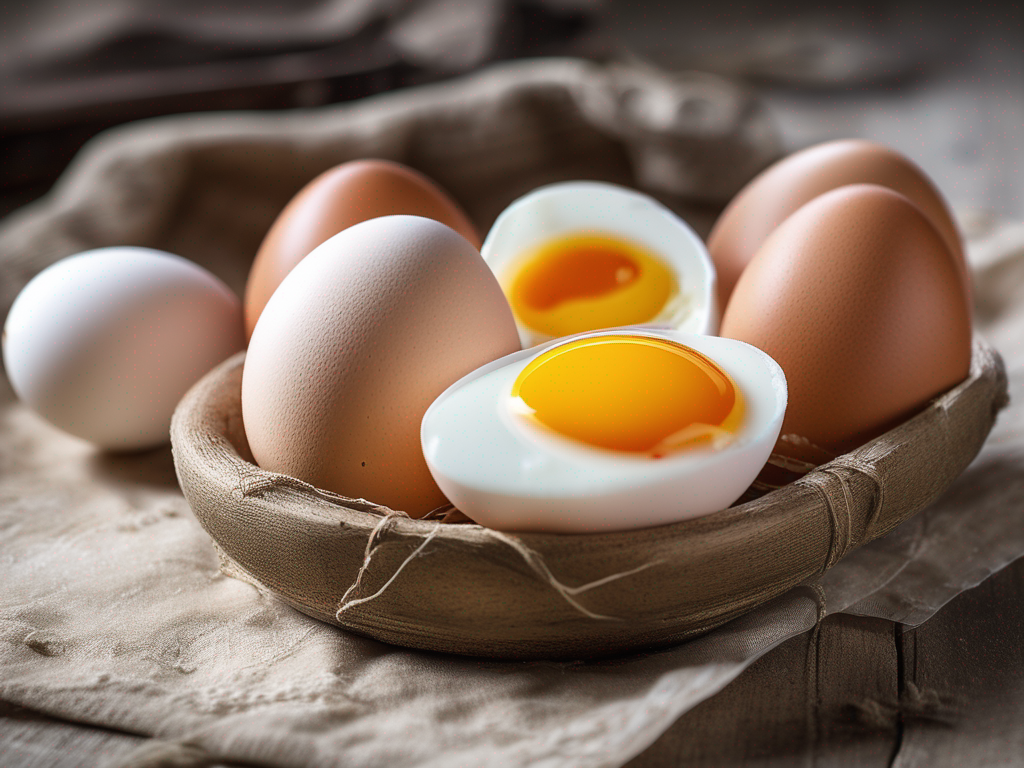
How Long Can Eggs Last After Expiration: A Comprehensive Guide
How Long Can Eggs Last After Expiration: A Comprehensive Guide
Are you often left wondering if that carton of eggs in your fridge is still safe to eat past its expiration date? Eggs are a staple in many households, and knowing how long they can last after the expiration date is crucial for food safety. In this guide, we will delve into the topic of egg expiration, provide practical tips for storage, and discuss how to determine if eggs are still safe to eat. (Eggs)
Understanding Egg Expiration Dates
When you purchase a carton of eggs from the store, you will notice that it comes with a sell-by or expiration date stamped on the packaging. These dates are provided by the manufacturer to ensure the quality and freshness of the eggs. Here is a breakdown of common egg expiration dates:
Sell-By Date
- The sell-by date is the date until which the store should sell the eggs. It is typically a few weeks after the eggs are packaged.
- It is recommended to consume the eggs within a reasonable time frame after the sell-by date for optimal freshness.
Expiration Date
- The expiration date indicates the date by which the eggs should be consumed for the best quality.
- Consuming eggs after the expiration date may lead to a decline in taste and texture.
Factors Affecting Egg Freshness
Several factors can impact the freshness and shelf life of eggs. Understanding these factors can help you determine how long your eggs can last after the expiration date:
Dry foods stay fresher when protected from moisture, pests, and air exposure. Using airtight pantry containers (Amazon) helps maintain quality and extend shelf life for pantry staples.
Storage
- Proper storage is key to extending the shelf life of eggs.
- Store eggs in their original carton in the coldest part of the refrigerator, away from strong-smelling foods.
Temperature
- Eggs should be stored at a consistent temperature of around 40°F (4°C).
- Avoid fluctuations in temperature, as this can hasten the deterioration of the eggs.
Quality of Eggs
- Fresh, high-quality eggs will generally last longer than eggs that are nearing the end of their shelf life.
- Check for any signs of spoilage, such as off smells or unusual discoloration.
How Long Can Eggs Last After Expiration?
The good news is that eggs can often be consumed safely after the expiration date, as long as they have been stored properly. Here are some guidelines to help you determine if your eggs are still safe to eat:
Conducting the Float Test
- Fill a bowl with water and gently place the egg inside.
- If the egg sinks to the bottom and lays flat on its side, it is fresh.
- If the egg stands upright on the bottom, it is still safe to eat but should be used soon.
- If the egg floats to the top, it is no longer fresh and should be discarded.
Checking for Odors
- Fresh eggs should have a neutral odor.
- If you detect a foul or sulfur-like smell when cracking the egg, it is best to discard it.
Visual Inspection
- Inspect the egg for any signs of mold, unusual discoloration, or a slimy texture.
- Discard eggs that show any of these signs of spoilage.
common situation
Many people have faced the dilemma of whether to use eggs that are past their expiration date. Let's Common situations include relatable situation:
situation 1: The Last-Minute Breakfast
Imagine it’s a Sunday morning, and you’re planning to whip up a hearty breakfast for your family. You eagerly reach for the carton of eggs, only to note that they expired two days ago. Instead of panicking, you test the eggs using the float method. To your relief, they sink to the bottom. You proceed to make a delicious omelet, earning applause from your family, all while saving food and minimizing waste.
Excess humidity can cause dry foods to clump or spoil. Adding food-safe desiccant packs (Amazon) to storage containers helps control moisture levels and extend shelf life.
situation 2: The Baker's Dilemma
You're an avid baker, and you need eggs for a cake you're preparing for an upcoming birthday party. However, you discover your eggs have been sitting in the fridge for a few weeks past the sell-by date. Rather than toss them out, you decide to perform the float test. They pass with flying colors! You confidently bake the cake, and it turns out as delightful as ever, proving once again that eggs can often surpass their expiration date and still deliver great results.
situation 3: The Busy Student
As a college student, budgeting is essential. One evening, you realize you have a dozen eggs sitting in the fridge, but they expired last week. Instead of throwing them away, you check them using the float test. Satisfied that they are still good, you decide to whip up some easy egg fried rice. This not only saves you money but also makes for a quick and filling meal after a long day of classes.
Tips for Extending Egg Shelf Life
To maximize the freshness and shelf life of your eggs, consider the following tips for storage and handling:
- Refrigerate Eggs Promptly: As soon as you bring eggs home from the store, refrigerate them to maintain their freshness.
- Keep Eggs in Their Carton: The carton helps protect the eggs from absorbing odors and flavors from other foods in the fridge.
- Avoid Washing Eggs: Eggshells have a protective coating that helps keep bacteria out. Washing eggs can remove this protective layer.
- Use Eggs in Recipes: If you have eggs nearing their expiration date, consider using them in recipes like quiches, frittatas, or baked goods.
Common Mistakes About Egg Expiration
Many people fall into traps when it comes to egg storage and expiration. Here are some of the common mistakes:
Mistake 1: Ignoring the Storage Temperature
Some people place their eggs in the door of the refrigerator, which is often the warmest part. The constant temperature fluctuations can ruin their freshness. Instead, keep them on a middle shelf where the temperature remains consistent.
Mistake 2: Relying Solely on Expiration Dates
Expiration dates are guidelines, not hard and fast rules. Remember, a well-stored egg can still be good weeks after its sell-by date, so don’t always go by the label alone.
Mistake 3: Not Testing Eggs Before Use
Assuming that eggs are bad simply because they are past their expiration date is a common error. Always conduct a simple float test before discarding eggs; it can save you from unnecessary waste.
Expert Insights
Food safety experts recommend keeping eggs refrigerated at all times and using them within three to five weeks after the sell-by date, provided there are no signs of spoilage. The USDA also suggests that eggs should be cooked to an internal temperature of 160°F (71°C) to ensure any potential bacteria are eliminated.
Additionally, if you find yourself with an excess of eggs, consider hard-boiling them. Hard-boiled eggs can last up to a week in the refrigerator and make for a nutritious snack or quick breakfast option.
Storage Methods
Here are some detailed storage techniques to keep your eggs fresh:
Freezing Eggs
If you have more eggs than you can use before they expire, consider freezing them. Crack the eggs into a bowl, whisk until blended, and then pour them into ice cube trays. Once frozen, transfer the cubes to a sealed freezer bag. Frozen eggs can last for up to a year, making them a practical option for future use.
Storing Hard-Boiled Eggs
If you've cooked a batch of hard-boiled eggs, don’t forget to store them properly. Keep them in their shells until you’re ready to eat them, as the shell helps protect the egg. Store them in a covered container in the refrigerator, and they should be consumed within one week.
Safety Warnings
While many eggs can be safely consumed after their expiration date, always exercise caution. If you notice any signs of spoilage, such as a foul smell or unusual texture upon cracking, it's better to err on the side of caution and dispose of the eggs. Always prioritize your health and safety over saving a few dollars!
Conclusion
In conclusion, eggs can often be safely consumed after the expiration date, provided they have been stored correctly and show no signs of spoilage. By understanding the factors that affect egg freshness and following proper storage guidelines, you can enjoy eggs well beyond their expiration date. Remember to conduct the float test, check for odors, and visually inspect the eggs before using them in recipes. With these tips in mind, you can make the most of your eggs while ensuring food safety in your kitchen.
For more information on eggs and other food safety tips, visit our eggs page. (Eggs)
Related Posts
Here are some other articles you might find helpful:
Authoritative Food Safety References
These agencies and university labs inform every tip and health precaution we publish.
USDA FoodKeeper – Cold Storage Guidelines
Official refrigerator, freezer, and pantry timelines maintained by the U.S. Department of Agriculture.
Visit USDA FoodKeeperFDA Produce Safety Rule & Grower Guidance
Field-to-fridge handling practices that prevent contamination of fruits, vegetables, and leafy greens.
Visit FDA Produce SafetyCDC Foodborne Illness Prevention Hub
Surveillance-backed guidance on pathogens, symptoms, and steps to reduce foodborne illness risk.
Visit CDC Food SafetyUC Davis Postharvest Technology Center
University research detailing optimal storage atmospheres for produce after harvest.
Visit UC Davis PostharvestPenn State Extension – Home Food Preservation & Safety
Peer-reviewed extension bulletins on safe canning, chilling, and reheating practices.
Visit Penn State ExtensionDisclosure: As an Amazon Associate, we earn from qualifying purchases. This helps support our site and allows us to continue providing free food safety information.