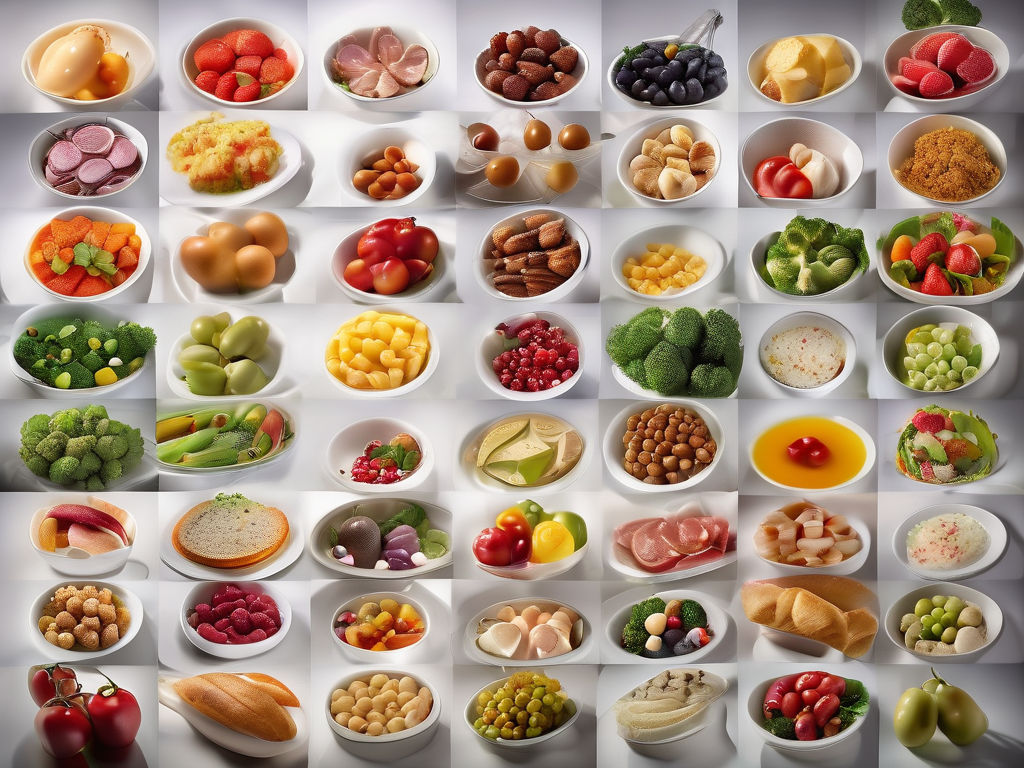
The Ultimate Guide to Farm Food Share Programs
The Ultimate Guide to Farm Food Share Programs
In recent years, farm food share programs have gained popularity as a sustainable and community-driven way to access fresh, locally sourced produce. These programs offer individuals the opportunity to support local farmers while enjoying the benefits of seasonal, farm-fresh foods. In this comprehensive guide, we will explore what farm food share programs are, how they work, and the benefits they offer to both consumers and farmers.
What is a Farm Food Share Program?
A farm food share program, also known as a CSA (Community Supported Agriculture), is a partnership between consumers and local farmers. Participants in a farm food share program typically pay a membership fee at the beginning of the season in exchange for a share of the farm's harvest throughout the growing season. Each week or month, members receive a box of fresh produce directly from the farm.
How Do Farm Food Share Programs Work?
- Membership: Consumers sign up for a farm food share program by purchasing a membership or subscription.
- Seasonal Harvest: Members receive a variety of seasonal fruits, vegetables, herbs, and sometimes other farm products like eggs or honey.
- Pickup or Delivery: Members can choose to pick up their share at the farm or at a designated location, or have it delivered to their doorstep.
- Community Engagement: Some farm food share programs offer opportunities for members to visit the farm, participate in farm events, or volunteer in exchange for additional produce.
Benefits of Joining a Farm Food Share Program
Participating in a farm food share program offers a range of benefits for both consumers and farmers. Here are some of the key advantages:
Proper cooking temperatures are essential for food safety. An instant-read food thermometer (Amazon) helps ensure meat reaches safe internal temperatures and reduces the risk of foodborne illness.
For Consumers:
- Access to Fresh, Local Produce: Enjoy the taste and nutritional benefits of freshly harvested fruits and vegetables.
- Support Local Agriculture: Directly support local farmers and the local economy.
- Seasonal Eating: Learn to cook and eat with the seasons, expanding your culinary horizons.
- Community Connection: Connect with other members and the farming community through shared experiences and events.
For Farmers:
- Financial Stability: Receive upfront payments from members, providing financial stability for the farm.
- Marketing and Outreach: Build relationships with customers and create a loyal customer base.
- Reduced Food Waste: Plan harvests more efficiently by knowing how much produce to grow for members.
- Educational Opportunities: Engage with the community and educate members about farming practices and food production.
Food Safety Tips for Farm Food Share Programs
While farm food share programs offer many benefits, it's important to prioritize food safety to ensure that the produce you receive is fresh and safe to eat. Here are some practical tips for handling and storing farm-fresh produce:
- Wash Your Hands: Always wash your hands before handling fresh produce to prevent cross-contamination.
- Clean Your Produce: Rinse fruits and vegetables under running water before eating or cooking.
- Storage Tips:
- Store leafy greens and herbs in a damp paper towel in the refrigerator to maintain freshness.
- Keep root vegetables like carrots and potatoes in a cool, dark place.
- Store fruits like apples and citrus fruits at room temperature to maintain flavor.
- Use Produce Quickly: Fresh produce from farm food share programs may not have a long shelf life, so try to use it within a few days of receiving it.
- Avoid Cross-Contamination: Keep raw produce separate from raw meats and poultry to prevent the spread of bacteria.
By following these food safety tips, you can ensure that you and your family enjoy the benefits of farm-fresh produce in a safe and healthy way.
common situation
situation 1: The Newbie Cook
Imagine Sarah, a city dweller who recently joined a local farm food share program. She eagerly awaits her first box, filled with colorful vegetables she's never cooked with before. When she opens the box, she finds a bunch of kale, a bag of beets, and some freshly picked strawberries.
Refrigerator temperature fluctuations can accelerate spoilage and increase food safety risks. A refrigerator thermometer (Amazon) helps monitor consistent cold storage (40°F or below).
Not knowing how to cook kale, she refers to the recipe card included with her share. She learns that kale can be sautéed, used in smoothies, or even massaged with olive oil to make a delicious salad. This experience not only expands her culinary skills but also sparks her creativity in the kitchen. She finds joy in experimenting with local produce, ultimately leading to healthier eating habits.
situation 2: The Family Bonding Experience
Then there's the Johnson family, who decided to join a farm food share program to bond over cooking. Each week, they receive a variety of seasonal produce and turn it into a family cooking night. They take turns choosing recipes, with the kids picking out their favorite fruits for dessert.
By preparing meals together, the Johnsons not only enjoy fresh food but also create lasting memories. They learn about the importance of eating healthy and supporting local agriculture, making them feel more connected to their community.
Scientific Context: Understanding Food Safety
When it comes to food safety, understanding the science behind it can help you make informed decisions. Fresh produce can harbor bacteria, such as E. coli or Salmonella, which can lead to foodborne illnesses. This is particularly true if produce is not washed properly or stored correctly.
The Role of Temperature
It's vital to remember that temperature plays a crucial role in the safety of fresh produce. The USDA recommends keeping your refrigerator at or below 40°F (4°C) to slow the growth of bacteria. Additionally, when receiving your farm share, ensure to refrigerate perishable items as soon as possible to maintain their freshness and safety.
Common Mistakes to Avoid
Many people don't realize that fresh produce needs proper handling to remain safe to eat. Here are a few common mistakes:
-
Not Washing Produce: Some individuals assume that because the produce is organic, it doesn't need to be washed. This is a misconception. Even organic fruits and vegetables can carry dirt and bacteria, so always wash them thoroughly before consumption.
-
Mixing Produce with Raw Meat: A significant error many make is storing their produce alongside raw meat in the refrigerator. Make sure to keep these items separate to prevent cross-contamination.
-
Ignoring Expiration Dates: Just because something is fresh doesn't mean it will last. Pay attention to any specific storage instructions provided by your farm food share program, and use your produce in a timely manner.
Expert Insights: Recommendations from Food Safety Professionals
Food safety experts emphasize the importance of educating yourself about safe food handling practices. A registered dietitian, for instance, may suggest creating a meal plan based on what you receive in your farm share. This can help minimize food waste and ensures that you're making the most of your fresh produce.
Additionally, involving children in food preparation can be an excellent opportunity for education. Teaching them about washing fruits and vegetables and the importance of hygiene can instill lifelong healthy habits.
Storage Methods: Maximizing Freshness
To keep your farm-fresh produce as fresh as possible, consider these advanced storage techniques:
The Paper Towel Method
For herbs and leafy greens, consider placing them in a perforated plastic bag with a damp paper towel. This method provides moisture without allowing the greens to sit in water, which can lead to rot.
Use of Ethylene Gas
Certain fruits, like apples and bananas, produce ethylene gas, which can hasten the ripening of nearby produce. To prolong the life of your vegetables, store ethylene-producing fruits separately.
Vacuum-Sealing
If you have surplus produce that you can't consume right away, vacuum-sealing can extend the shelf life. This method removes the air from the bag, reducing oxidation and preserving freshness.
Safety Warnings: Important Cautions
While farm food share programs are a wonderful way to access fresh produce, there are critical safety considerations to keep in mind:
-
Allergies: Always be aware of the potential for allergic reactions, especially if you receive a share with unknown or unfamiliar items. If you're unsure about a particular food, consult with your healthcare provider.
-
Pesticide Residue: Even organic farms may use pesticides. If you have concerns, inquire with your farm about their practices, and consider washing produce thoroughly to remove any residues.
-
Foodborne Illnesses: Stay vigilant about foodborne illnesses, particularly if you have a weakened immune system. If you notice any signs of spoilage or unusual odors, trust your instincts and discard the items.
Conclusion
Farm food share programs are a fantastic way to support local farmers, access fresh, seasonal produce, and connect with your community. By joining a farm food share program, you can enjoy the taste and nutritional benefits of locally sourced foods while contributing to a more sustainable food system. Remember to prioritize food safety when handling and storing farm-fresh produce to ensure that you and your loved ones can enjoy it safely. Join a farm food share program today and experience the joys of eating fresh from the farm!
Authoritative Food Safety References
These agencies and university labs inform every tip and health precaution we publish.
USDA FoodKeeper – Cold Storage Guidelines
Official refrigerator, freezer, and pantry timelines maintained by the U.S. Department of Agriculture.
Visit USDA FoodKeeperFDA Produce Safety Rule & Grower Guidance
Field-to-fridge handling practices that prevent contamination of fruits, vegetables, and leafy greens.
Visit FDA Produce SafetyCDC Foodborne Illness Prevention Hub
Surveillance-backed guidance on pathogens, symptoms, and steps to reduce foodborne illness risk.
Visit CDC Food SafetyUC Davis Postharvest Technology Center
University research detailing optimal storage atmospheres for produce after harvest.
Visit UC Davis PostharvestPenn State Extension – Home Food Preservation & Safety
Peer-reviewed extension bulletins on safe canning, chilling, and reheating practices.
Visit Penn State ExtensionDisclosure: As an Amazon Associate, we earn from qualifying purchases. This helps support our site and allows us to continue providing free food safety information.