The Ultimate Guide to Expired Almond Milk: Safety, Storage, and Tips
The Ultimate Guide to Expired Almond Milk: Safety, Storage, and Tips
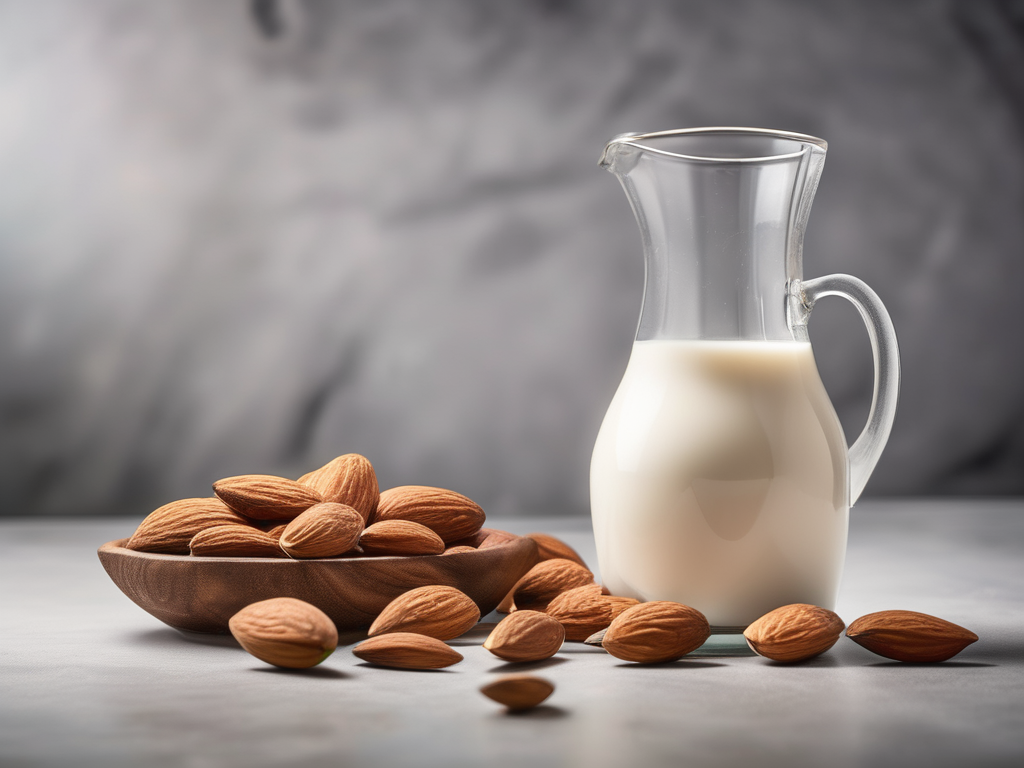
Are you wondering what to do with that carton of almond milk sitting in your fridge past its expiration date? Don't worry; I've got you covered! In this comprehensive guide, we'll discuss everything you need to know about expired almond milk – from safety considerations to storage tips and practical advice on how to handle this situation. (Almond milk)
Understanding Almond Milk Expiration Dates
Almond milk, a popular dairy alternative, typically comes with a printed expiration date on the carton. It's important to understand that this date indicates the last day the product is guaranteed to be at its peak quality in terms of taste and freshness. However, it doesn't necessarily mean that the almond milk is unsafe to consume immediately after the expiration date.
Factors Affecting Almond Milk Shelf Life
Several factors can influence the shelf life of almond milk, including:
Dairy products require consistent cold storage to prevent spoilage and bacterial growth. A refrigerator thermometer (Amazon) helps ensure your refrigerator maintains safe temperatures (40°F or below).
- Storage conditions: Proper storage is crucial to maintaining the quality of almond milk.
- Packaging: Sealed, aseptic packaging helps extend the shelf life of almond milk.
- Preservatives: Some almond milk brands contain preservatives to prolong freshness.
Is Expired Almond Milk Safe to Consume?
The safety of consuming expired almond milk depends on various factors, including how the product has been stored and handled. Here are some key points to consider:
Signs of Spoiled Almond Milk
Before deciding whether to consume expired almond milk, look out for these signs of spoilage:
- Off smell: If the almond milk has a sour or off-putting odor, it may be spoiled.
- Unusual texture: Curdling, separation, or chunky texture are signs of spoilage.
- Off taste: If the almond milk tastes sour or unpleasant, it's best to discard it.
Safety Considerations
- Risk of bacterial growth: Once almond milk is opened, it becomes susceptible to bacterial contamination.
- Immunocompromised individuals: Those with weakened immune systems should be cautious with expired foods.
- Avoid consuming if in doubt: When in doubt, it's best to err on the side of caution and discard expired almond milk.
Proper Storage of Almond Milk
To maximize the shelf life of almond milk and ensure its safety, proper storage is essential. Follow these tips for storing almond milk correctly:
After opening, transferring dairy into an airtight container (Amazon) can reduce odor absorption, limit moisture exposure, and help slow bacterial growth.
Before Opening:
- Check the expiration date: Use the oldest almond milk first to prevent waste.
- Store in a cool, dark place: Keep unopened almond milk in a pantry or cupboard away from heat and sunlight.
After Opening:
- Refrigeration is key: Once opened, store almond milk in the refrigerator at all times.
- Use airtight containers: Transfer leftover almond milk to a clean, airtight container after opening.
What to Do with Expired Almond Milk
If you find yourself with expired almond milk, here are some practical tips on how to handle the situation:
- Perform a sensory check: Assess the appearance, smell, and taste of the almond milk before deciding whether to consume it.
- Use in cooking: Expired almond milk can still be used in cooking and baking where the flavor may be less noticeable.
- Compost it: If the almond milk is too far gone, consider composting it rather than pouring it down the drain.
common situation
Let me share a couple of relatable situation where you might find yourself questioning the safety of your almond milk:
-
Late-night Smoothie Craving: Picture this: it's a Saturday night, and you’re craving a delicious smoothie. You reach for the almond milk in your fridge, only to notice that it expired two days ago. You wonder if you should just go ahead and make that smoothie or toss the milk. By performing a sensory check, you discover the milk smells fine and has a smooth texture. You decide to blend it, and your smoothie turns out great! Just remember, if anything seemed off, you wouldn’t have hesitated to discard it.
-
Baking with Friends: Imagine you’re baking cookies with friends, and you realize that the almond milk you planned to use expired last week. You check it and find it has a slightly off smell but no visible signs of spoilage. Instead of taking risks, you opt to use fresh almond milk. This not only ensures the quality of your cookies but also keeps your friends from second-guessing the ingredients.
These situation show that examining your almond milk and trusting your instincts can help you make the right choice in the moment.
Scientific Context of Almond Milk Expiration
Almond milk is primarily made with water and almonds, and it typically contains few preservatives compared to traditional dairy milk. According to food safety standards, the expiration date is more about quality than safety. The acetic and citric acids naturally found in almonds can help inhibit bacterial growth, but once the carton is opened, the environment changes.
Knowing the biochemical processes at play can empower you when deciding whether to consume products past their expiration date. For instance, a product's pH can change due to bacterial activity, making it crucial to observe any noticeable differences in odor or consistency before consumption.
Expert Insights on Storage Techniques
As a food safety expert, I can assure you that proper storage is crucial. Here are some additional techniques to extend the life of your almond milk:
Freeze It
If you buy almond milk in bulk, consider freezing it. Pour the almond milk into ice cube trays or freezer-safe containers, leaving room for expansion. Once frozen, transfer the cubes to a zip-top freezer bag. When you need almond milk, just thaw a few cubes in the fridge overnight. This method preserves the milk's quality well, although the texture may change slightly when thawed.
Keep It Cold
Always store almond milk in the coldest part of the fridge, usually towards the back. This area maintains a more consistent temperature than the door, which can be affected by frequent opening and closing.
Check the Temperature
If you're unsure whether your fridge is cold enough, invest in a refrigerator thermometer. Almond milk should be stored at or below 40°F (4°C) to prevent spoilage and bacterial growth effectively.
Common Mistakes About Expired Almond Milk
Many people don’t realize that not all expired almond milk is created equal. Here are some common misconceptions:
-
“If it smells fine, it’s good to go.” While a pleasant smell is a good indicator, it’s not the only sign. Texture and taste also play essential roles in determining its safety.
-
“I can still use expired almond milk if I heat it.” Although heating can kill bacteria, it doesn’t reverse spoilage and may not make spoiled milk safe for consumption. Always check the milk's condition first.
-
“Almond milk lasts forever.” Even though almond milk can have a longer shelf life than dairy milk, it does not last indefinitely. Respecting expiration dates is still essential to avoid food waste and potential health risks.
Conclusion
In conclusion, while consuming expired almond milk may not always pose an immediate health risk, it's essential to exercise caution and use your best judgment. By understanding the factors that affect almond milk shelf life, recognizing signs of spoilage, and following proper storage guidelines, you can make informed decisions about expired almond milk. Remember, when in doubt, it's always better to be safe than sorry. So, make sure to check your almond milk regularly, practice proper storage methods, and enjoy this dairy-free alternative while it's at its freshest!
Now that you're equipped with the knowledge to handle expired almond milk like a pro, feel free to explore our almond milk recipes for delicious ways to incorporate this versatile ingredient into your culinary creations. Cheers to safe and enjoyable almond milk consumption! (Almond milk)
Related Posts
Here are some other articles you might find helpful:
- Making the Most of Overripe Figs: Tips to Avoid Food Waste
- Making the Most of Overripe Custard Apple: Creative Ways to Prevent Food Waste (Custard apple)
- The Ultimate Guide to Extending the Shelf Life of Homemade Chia Pudding Mix
- Creative Recipes for Wilted Apricots
- Is Your Almond Milk Safe to Drink? A Guide to Checking Unopened Almond Milk
Authoritative Food Safety References
These agencies and university labs inform every tip and health precaution we publish.
USDA FoodKeeper – Cold Storage Guidelines
Official refrigerator, freezer, and pantry timelines maintained by the U.S. Department of Agriculture.
Visit USDA FoodKeeperFDA Produce Safety Rule & Grower Guidance
Field-to-fridge handling practices that prevent contamination of fruits, vegetables, and leafy greens.
Visit FDA Produce SafetyCDC Foodborne Illness Prevention Hub
Surveillance-backed guidance on pathogens, symptoms, and steps to reduce foodborne illness risk.
Visit CDC Food SafetyUC Davis Postharvest Technology Center
University research detailing optimal storage atmospheres for produce after harvest.
Visit UC Davis PostharvestPenn State Extension – Home Food Preservation & Safety
Peer-reviewed extension bulletins on safe canning, chilling, and reheating practices.
Visit Penn State ExtensionDisclosure: As an Amazon Associate, we earn from qualifying purchases. This helps support our site and allows us to continue providing free food safety information.