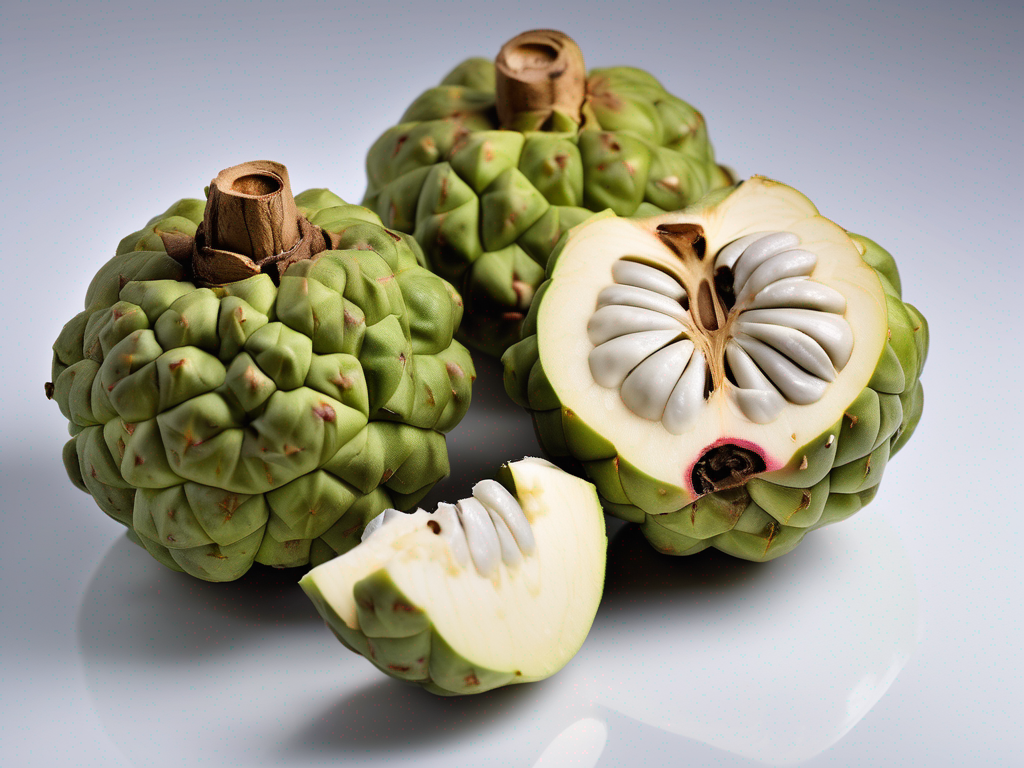
Making the Most of Overripe Custard Apple: Creative Ways to Prevent Food Waste (Custard apple)
Making the Most of Overripe Custard Apple: Creative Ways to Prevent Food Waste (Custard apple)
Introduction
Custard apples, also known as cherimoya or sugar apple, are exotic fruits with a creamy texture and sweet flavor. However, like many fruits, custard apples are prone to becoming overripe quickly. When left too long, they can spoil and go to waste. In this blog post, we'll explore creative and delicious ways to use overripe custard apples before they spoil, preventing unnecessary food waste.
Why Use Overripe Custard Apples?
Overripe custard apples may not look appealing from the outside, but their sweet flesh can still be salvaged and transformed into delightful dishes. By using overripe custard apples, you not only reduce food waste but also unlock new flavors and textures that can enhance your culinary creations.
Benefits of Using Overripe Custard Apples:
- Reduce food waste
- Experiment with new recipes
- Enjoy unique flavor profiles
- Boost your nutrient intake
Safety First: Checking for Spoilage
Before using overripe custard apples, it's crucial to ensure they are still safe to eat. Here are some tips to help you determine if your custard apples have spoiled:
Dairy products require consistent cold storage to prevent spoilage and bacterial growth. A refrigerator thermometer (Amazon) helps ensure your refrigerator maintains safe temperatures (40°F or below).
How to Check for Spoilage:
- Visual Inspection: Look for mold, dark spots, or signs of decay on the skin.
- Texture: Press gently on the fruit. If it feels mushy or overly soft, it may be spoiled.
- Smell: A sour or off-putting odor indicates spoilage.
- Taste: If the flesh tastes fermented or unpleasant, the custard apple is no longer fresh.
Creative Ways to Use Overripe Custard Apples
Now that you've confirmed your custard apples are still good to eat, it's time to get creative in the kitchen. Here are some delicious ways to make the most of your overripe custard apples:
1. Custard Apple Smoothie
- Blend overripe custard apple flesh with yogurt, honey, and a splash of coconut milk for a creamy and refreshing smoothie.
- Add a handful of spinach or kale for an extra nutrient boost.
2. Custard Apple Chia Pudding
- Mix mashed custard apple with chia seeds, almond milk, and a touch of vanilla extract.
- Let the mixture sit in the fridge overnight for a nutritious and satisfying breakfast or dessert.
3. Custard Apple Sorbet
- Freeze blended custard apple pulp with a squeeze of lime juice for a simple and healthy sorbet.
- Serve in chilled bowls for a refreshing treat on a hot day.
4. Custard Apple Salsa
- Combine diced custard apple with chopped red onion, jalapeno, cilantro, and lime juice for a unique salsa.
- Serve with grilled fish or tortilla chips for a tropical twist on a classic dish.
5. Custard Apple Jam
- Cook down overripe custard apples with sugar, lemon juice, and a hint of cinnamon to make a flavorful jam.
- Spread on toast, swirl into yogurt, or use as a filling for pastries.
Conclusion
Don't let overripe custard apples go to waste! With a bit of creativity and culinary flair, you can transform these fruits into delicious dishes that will tantalize your taste buds. By using overripe custard apples, you not only minimize food waste but also discover new flavors and textures that can elevate your meals. So next time you spot a few overripe custard apples in your kitchen, get creative and whip up a culinary masterpiece that will impress your family and friends. Enjoy the sweet rewards of reducing food waste one custard apple at a time!
Related Posts
Here are some other articles you might find helpful:
After opening, transferring dairy into an airtight container (Amazon) can reduce odor absorption, limit moisture exposure, and help slow bacterial growth.
Authoritative Food Safety References
These agencies and university labs inform every tip and health precaution we publish.
USDA FoodKeeper – Cold Storage Guidelines
Official refrigerator, freezer, and pantry timelines maintained by the U.S. Department of Agriculture.
Visit USDA FoodKeeperFDA Produce Safety Rule & Grower Guidance
Field-to-fridge handling practices that prevent contamination of fruits, vegetables, and leafy greens.
Visit FDA Produce SafetyCDC Foodborne Illness Prevention Hub
Surveillance-backed guidance on pathogens, symptoms, and steps to reduce foodborne illness risk.
Visit CDC Food SafetyUC Davis Postharvest Technology Center
University research detailing optimal storage atmospheres for produce after harvest.
Visit UC Davis PostharvestPenn State Extension – Home Food Preservation & Safety
Peer-reviewed extension bulletins on safe canning, chilling, and reheating practices.
Visit Penn State ExtensionDisclosure: As an Amazon Associate, we earn from qualifying purchases. This helps support our site and allows us to continue providing free food safety information.