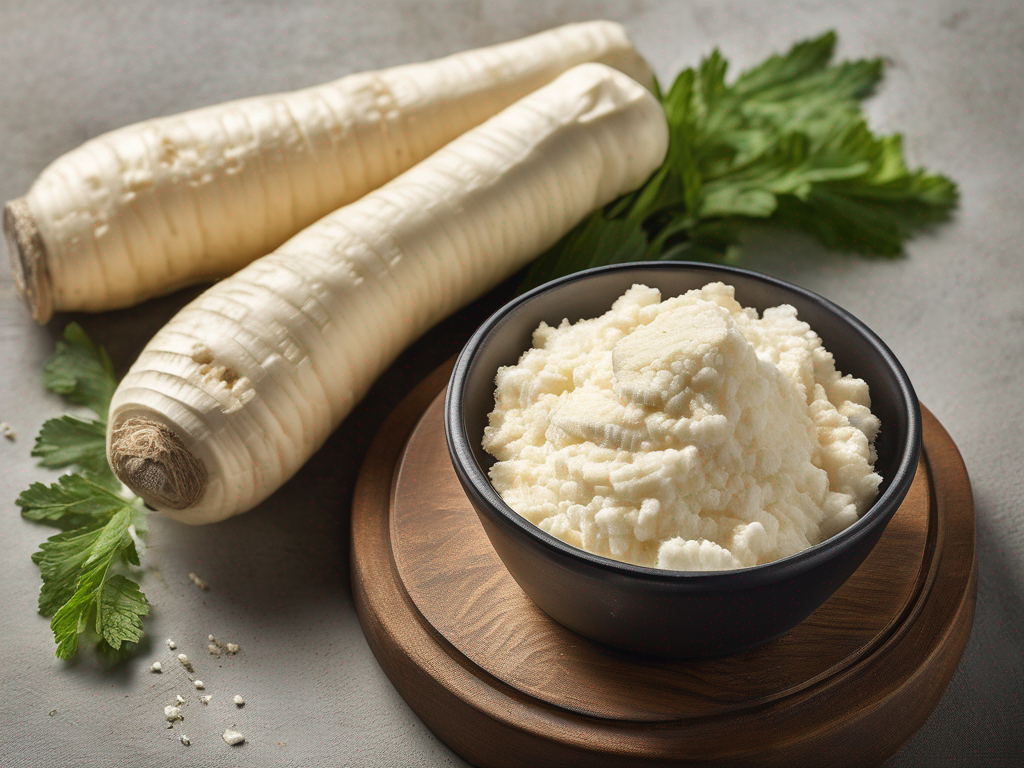
Does Horseradish Expire: A Guide to Horseradish Shelf Life and Storage
CanIEatExpired.com Team
# Does Horseradish Expire: A Guide to Horseradish Shelf Life and Storage

Horseradish is a popular condiment known for its pungent flavor and aromatic properties. Whether you enjoy it on sandwiches, in sauces, or as a flavor enhancer, horseradish adds a zesty kick to a variety of dishes. However, like all food products, horseradish does have a shelf life. In this guide, we will explore the topic of horseradish expiration, how to store it properly, and tips for ensuring its freshness. ([Horseradish](https://canieatexpired.com/food/horseradish))

## Understanding Horseradish Expiration

Horseradish, like many other condiments, does have an expiration date. While it won't necessarily spoil or become unsafe to eat after this date, its flavor and potency may diminish over time. Here are some key points to consider regarding horseradish expiration:

### Factors Affecting Horseradish Shelf Life

1. **Ingredients**: The ingredients used in horseradish, such as vinegar and salt, can help preserve its freshness.

2. **Packaging**: Proper packaging can extend the shelf life of horseradish. A tightly sealed container will help prevent air and moisture from affecting its quality.

3. **Storage**: The way you store horseradish can significantly impact its shelf life. Proper storage conditions are crucial for maintaining its flavor and texture.

### Horseradish Shelf Life

The shelf life of horseradish can vary depending on several factors, including the brand, storage conditions, and whether it's homemade or store-bought. Here are some general guidelines to keep in mind:

- **Unopened Store-Bought Horseradish**: Store-bought horseradish typically has a shelf life of 1-2 years when unopened.

- **Opened Store-Bought Horseradish**: Once opened, store-bought horseradish can last for several months to a year if properly stored in the refrigerator.

- **Homemade Horseradish**: Homemade horseradish, especially if made with fresh ingredients, may have a shorter shelf life of 3-6 months due to the absence of preservatives.

## Proper Storage Tips for Horseradish

To maximize the shelf life of your horseradish and ensure its freshness, follow these storage tips:

### Refrigeration

- **Store in the Refrigerator**: Always store horseradish in the refrigerator, even if it's unopened. The cold temperature helps maintain its quality and flavor.

- **Seal Properly**: Ensure that the container is tightly sealed to prevent air and moisture from entering.

### Additional Tips

1. **Avoid Contamination**: Use clean utensils when scooping out horseradish to prevent contamination.

2. **Check for Signs of Spoilage**: Discard horseradish if you notice any changes in color, texture, or odor.

## common situation

Many people enjoy horseradish, but what happens when you have a jar sitting in the back of your fridge for months? I remember a friend who hosted a barbecue and brought out a jar of horseradish that had been opened for a while. It was still usable, but the flavor had dulled significantly. Instead of the vibrant kick they expected, it was almost bland.

In another instance, a home cook decided to make homemade horseradish for a family gathering. They were excited about using fresh ingredients from their garden, but they didn't realize that without proper preservation methods, the horseradish would lose its potency quickly. After just a couple of weeks in the fridge, it wasn't as flavorful as they had hoped, leading to disappointment at the dining table.

These stories highlight why understanding horseradish shelf life and storage is crucial for maximizing flavor and enjoyment.

## Scientific Context

Understanding the science behind horseradish can enhance your appreciation of this condiment. Horseradish contains a compound called allyl isothiocyanate, which is responsible for its pungent flavor and aroma. This compound is released when horseradish is grated or ground, and it's what gives it that characteristic heat.

The presence of vinegar in store-bought horseradish acts as a preservative, inhibiting the growth of harmful bacteria and extending its shelf life. This is a common preservation method used in various condiments, such as mustard and ketchup, where acidity plays a vital role in safety and preservation.

Moreover, the nutritional profile of horseradish is also noteworthy. It is low in calories while being rich in vitamins C and B6, potassium, and folate. These nutrients can contribute to overall health, making horseradish not just a flavorful addition to dishes but also a potentially beneficial one.

## Practical Tips for Using Horseradish

- **Freshen Up Dishes**: If you feel that your horseradish has lost some of its spark, consider mixing it with a bit of fresh lemon juice or adding a pinch of salt to revive its flavor profile.

- **Experiment with Recipes**: Horseradish is versatile. Try mixing it into mashed potatoes, creamy dressings, or even marinades for meats. This can help you use up older horseradish while still enjoying a flavorful dish.

- **Make Horseradish Sauce**: Combine horseradish with sour cream or mayonnaise for a zesty dipping sauce that can liven up seafood, particularly shrimp or crab cakes.

## Common Mistakes People Make

1. **Ignoring Expiration Dates**: Many people overlook the expiration or "best by" dates on horseradish jars. While the product may still be safe to eat, its taste can significantly diminish past the indicated date.

2. **Not Sealing Tightly**: Failing to seal the jar tightly can allow air to enter, leading to oxidation and loss of flavor. Always ensure that the lid is securely fastened.

3. **Storing in Warm Places**: Some folks might store horseradish in a kitchen cupboard or on a countertop, thinking it will be fine. However, the ideal place is in the refrigerator to maintain its freshness.

## Expert Insights

From the perspective of food safety experts, the rule of thumb for horseradish is simple: when in doubt, throw it out. If the product has been opened for an extended period or you notice any off-putting changes, it's better to err on the side of caution.

Additionally, many food safety professionals recommend labeling your opened horseradish container with the date it was opened. This can help you keep track of how long it's been stored and remind you to use it up before it loses its flavor.

## Storage Methods Beyond Refrigeration

While refrigeration is the best method for horseradish, you can explore a few other storage techniques if you're looking to preserve it longer:

- **Freezing**: Horseradish can be frozen for extended storage. Simply shred or grate the horseradish, place it in an airtight container, and store it in the freezer. This method can preserve its flavor, though the texture may change slightly once thawed.

- **Pickling**: If you're adventurous, consider pickling horseradish. Pickled horseradish can be a delicious addition to various dishes, and the pickling process adds an extra layer of flavor. Just remember that pickled horseradish usually has a different taste profile than fresh horseradish.

## Safety Warnings

Always be cautious with any condiments, including horseradish. If you notice any mold, off smells, or unusual textures, it's best to discard the product. Eating spoiled food can lead to foodborne illnesses, which can be serious.

## Conclusion

In conclusion, while horseradish does have an expiration date, proper storage and handling can help extend its shelf life and preserve its flavor. By understanding the factors that affect horseradish freshness and following the tips outlined in this guide, you can enjoy this flavorful condiment for an extended period. Remember to always check the expiration date on store-bought horseradish and practice good food safety habits to ensure the quality of your horseradish. [Click here](/food/horseradish) for more information on horseradish and its culinary uses.

Next time you reach for the horseradish, you can do so with confidence, knowing that you've stored it properly and are savoring its full flavor potential. Happy condiment enjoying! ([Horseradish](https://canieatexpired.com/food/horseradish))

## Related Posts

Here are some other articles you might find helpful:

- [The Ultimate Guide to Extending the Shelf Life of Cocktail Sauce for Seafood: Commercially Bottled Opened](/blog/the-ultimate-guide-to-extending-the-shelf-life-of-cocktail-sauce-for-seafood-commercially-bottled-opened)
- [Safely Storing Opened Horseradish Prepared Commercially Bottled Sold Unrefrigerated](/blog/how-can-i-safely-store-opened-horseradish-prepared-commercially-bottled-sold-unrefrigerated)
- [Signs that Horseradish Has Gone Bad and Should Be Thrown Away](/blog/what-are-the-signs-that-horseradish-has-gone-bad-and-should-be-thrown-away)
- [Preserving Fresh Horseradish for Future Use](/blog/how-can-i-preserve-fresh-horseradish-for-future-use)
- [Safely Storing Horseradish Prepared Commercially Bottled Sold Unrefrigerated Unopened](/blog/how-can-you-safely-store-horseradish-prepared-commercially-bottled-sold-unrefrigerated-unopened-for-an-extended-period-of-time)

Authoritative Food Safety References
These agencies and university labs inform every tip and health precaution we publish.
USDAOfficial guidance
USDA FoodKeeper – Cold Storage Guidelines
Official refrigerator, freezer, and pantry timelines maintained by the U.S. Department of Agriculture.
Visit USDA FoodKeeperFDAOfficial guidance
FDA Produce Safety Rule & Grower Guidance
Field-to-fridge handling practices that prevent contamination of fruits, vegetables, and leafy greens.
Visit FDA Produce SafetyCDCOfficial guidance
CDC Foodborne Illness Prevention Hub
Surveillance-backed guidance on pathogens, symptoms, and steps to reduce foodborne illness risk.
Visit CDC Food SafetyResearchUniversity research
UC Davis Postharvest Technology Center
University research detailing optimal storage atmospheres for produce after harvest.
Visit UC Davis PostharvestResearchUniversity research
Penn State Extension – Home Food Preservation & Safety
Peer-reviewed extension bulletins on safe canning, chilling, and reheating practices.
Visit Penn State Extension❓
Frequently Asked Questions
"Does horseradish expire?
"
Answer: Yes, horseradish does expire. The shelf life of horseradish depends on whether it is fresh, refrigerated, or in a jar. Fresh horseradish can last up to 3 weeks in the refrigerator, while jarred horseradish can last up to a year if unopened.
"How should I store horseradish to extend its shelf life?
"
Answer: To extend the shelf life of horseradish, store it in the refrigerator at all times. Make sure the horseradish is tightly sealed in its original packaging or an airtight container. Avoid storing horseradish at room temperature as it can spoil quickly.
"Can I freeze horseradish to make it last longer?
"
Answer: Yes, you can freeze horseradish to extend its shelf life. Simply transfer the horseradish to a freezer-safe container, leaving some room for expansion, and freeze it. Frozen horseradish can last up to 6 months without losing its flavor or texture.
"How can I tell if horseradish has gone bad?
"
Answer: If horseradish has gone bad, it will have a sour or off smell, and the color may darken or change. Mold or any signs of spoilage indicate that the horseradish is no longer safe to consume. When in doubt, it's best to discard the horseradish to avoid foodborne illness.
"Is it safe to eat expired horseradish?
"
Answer: It is not recommended to eat expired horseradish as it can pose a risk of foodborne illness. Consuming expired horseradish may lead to stomach upset, food poisoning, or other health issues. To ensure your safety, always check the expiration date and quality of the horseradish before consuming it.
Disclosure: As an Amazon Associate, we earn from qualifying purchases. This helps support our site and allows us to continue providing free food safety information.
Our articles are created using a combination of AI assistance and human review. All food safety information is based on USDA guidelines and credible sources. Learn more about our review process here.