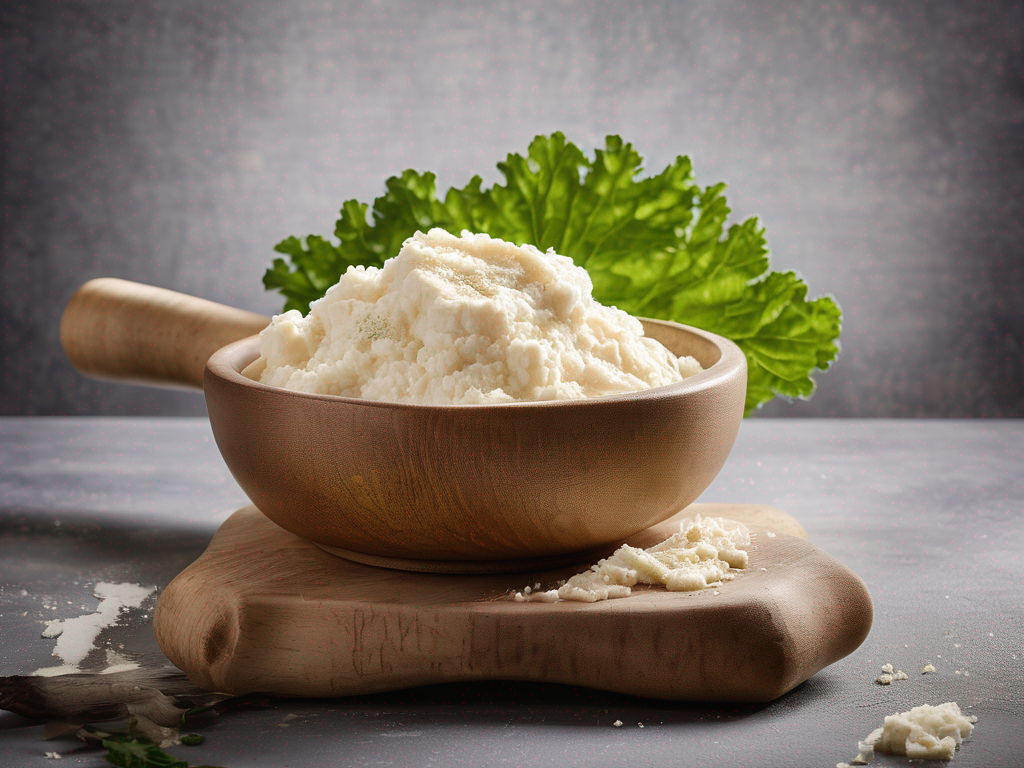
Preserving Fresh Horseradish for Future Use
Preserving Fresh Horseradish for Future Use
Horseradish is a pungent root vegetable known for its sharp flavor and culinary versatility. Whether you've grown your own horseradish or picked up a fresh batch from the market, knowing how to properly preserve it for future use is essential to ensure you can enjoy its unique taste for weeks or even months to come. In this guide, we'll explore various methods to help you preserve fresh horseradish effectively. (Horseradish)
Understanding Horseradish
Horseradish, scientifically known as Armoracia rusticana, is a member of the Brassicaceae family, which also includes mustard, cabbage, and broccoli. This root vegetable is commonly used as a condiment to add a spicy kick to dishes, sauces, and marinades.
nutritional quality of Horseradish
Horseradish is not only prized for its flavor but also for its potential nutritional quality, including:
Proper airflow and humidity control can significantly extend produce freshness. Many households use produce storage containers (Amazon) in the refrigerator to regulate moisture and slow spoilage.
- Rich in antioxidants
- Contains antibacterial properties
- Supports digestion
- May help may affect quality or cause digestive discomfort in some people
Harvesting and Selecting Fresh Horseradish
Before we delve into preservation methods, it's crucial to start with high-quality, fresh horseradish. Whether you're growing horseradish in your garden or purchasing it from a store, follow these tips for selecting the best roots:
- Choose firm, unblemished roots with a smooth skin.
- Opt for roots that feel heavy for their size, indicating freshness.
- Look for roots with vibrant green leaves, a sign of a recently harvested crop.
Preservation Methods for Fresh Horseradish
1. Refrigeration
Refrigeration is the simplest method to preserve fresh horseradish for short-term use. Follow these steps:
- Wash the horseradish roots thoroughly to remove any dirt.
- Trim the ends of the roots and peel off the outer skin using a vegetable peeler.
- Grate or chop the horseradish root as desired.
- Place the grated horseradish in an airtight container or resealable bag.
- Store in the refrigerator at temperatures below 40°F (4°C).
- Use within 2-3 weeks for optimal flavor.
2. Freezing
Freezing fresh horseradish is an excellent way to preserve it for an extended period. Here's how to freeze horseradish effectively:
Keeping produce organized can improve air circulation and cooling. refrigerator organizer bins (Amazon) help reduce overcrowding and maintain consistent refrigerator temperatures.
- Peel and grate the horseradish root.
- Place the grated horseradish in a freezer-safe container or resealable bag.
- Press out excess air and seal the container securely.
- Label the container with the date of freezing.
- Store in the freezer at 0°F (-18°C) or below.
- Frozen horseradish can last up to 6 months.
3. Pickling
Pickling fresh horseradish not only preserves its flavor but also imparts a tangy twist. To pickle horseradish:
- Peel and slice the horseradish root into thin strips.
- Prepare a pickling solution using vinegar, water, salt, and sugar.
- Pack the horseradish strips into sterilized jars.
- Pour the hot pickling solution over the horseradish, ensuring it's fully submerged.
- Seal the jars and store them in the refrigerator.
- Allow the flavors to meld for at least a week before consuming.
4. Dehydrating
Dehydrating horseradish is a space-saving preservation method that concentrates its flavor. Here's how to dehydrate horseradish:
- Peel and grate the horseradish root.
- Spread the grated horseradish in a single layer on a dehydrator tray.
- Dry at 125-135°F (52-57°C) until crisp.
- Allow the dehydrated horseradish to cool completely.
- Store in an airtight container away from light and moisture.
- Rehydrate the horseradish as needed by soaking it in water.
Safety Precautions for Preserving Horseradish
When preserving horseradish, it's essential to follow safety guidelines to prevent foodborne illnesses and maintain quality:
- Always wash your hands and equipment before handling horseradish.
- Use clean, sterilized containers for storing pickled or dehydrated horseradish.
- Label preserved horseradish with the date of preparation to track freshness.
- Discard any preserved horseradish that shows signs of spoilage, such as mold or off odors.
Conclusion
Preserving fresh horseradish allows you to enjoy its bold flavor and nutritional quality long after the harvest season. Whether you choose to refrigerate, freeze, pickle, or dehydrate horseradish, selecting high-quality roots and following proper preservation techniques are key to maintaining its taste and nutritional value. Experiment with different preservation methods to discover your favorite way to enjoy this versatile root vegetable in various culinary creations.
By taking the time to preserve fresh horseradish properly, you can elevate your dishes with a zesty kick year-round. So go ahead, stock up on horseradish, and explore the world of homemade condiments with confidence! (Horseradish)
Authoritative Food Safety References
These agencies and university labs inform every tip and health precaution we publish.
USDA FoodKeeper – Cold Storage Guidelines
Official refrigerator, freezer, and pantry timelines maintained by the U.S. Department of Agriculture.
Visit USDA FoodKeeperFDA Produce Safety Rule & Grower Guidance
Field-to-fridge handling practices that prevent contamination of fruits, vegetables, and leafy greens.
Visit FDA Produce SafetyCDC Foodborne Illness Prevention Hub
Surveillance-backed guidance on pathogens, symptoms, and steps to reduce foodborne illness risk.
Visit CDC Food SafetyUC Davis Postharvest Technology Center
University research detailing optimal storage atmospheres for produce after harvest.
Visit UC Davis PostharvestPenn State Extension – Home Food Preservation & Safety
Peer-reviewed extension bulletins on safe canning, chilling, and reheating practices.
Visit Penn State ExtensionDisclosure: As an Amazon Associate, we earn from qualifying purchases. This helps support our site and allows us to continue providing free food safety information.