USDAOfficial guidance
USDA FoodKeeper – Cold Storage Guidelines
Official refrigerator, freezer, and pantry timelines maintained by the U.S. Department of Agriculture.
Visit USDA FoodKeeperLast reviewed: January 2026
Reviewed by the Can I Eat Expired Editorial Team using official USDA, FDA, and CDC food safety guidance. How we assess food safety risk
This food is often safe when handled and stored properly, but safety depends on how it's been kept and whether any spoilage signs are present.
⏱️ Safe for up to 2 days after expiry if properly stored and showing no spoilage signs.
Storage conditions, initial freshness, and proper handling change the answer — and those details are easy to miss.
Get a yes / no answer for your bread white →
Check Your Exact Situation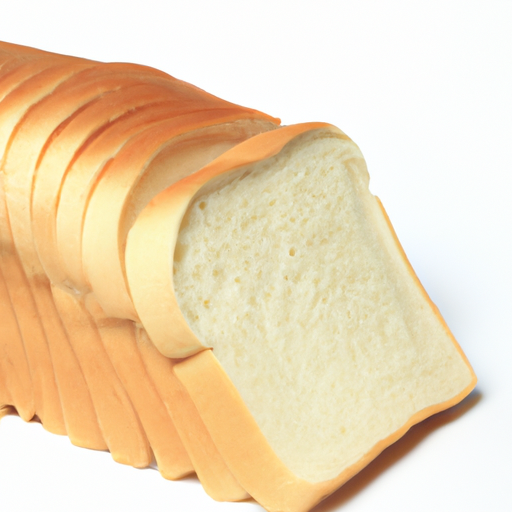
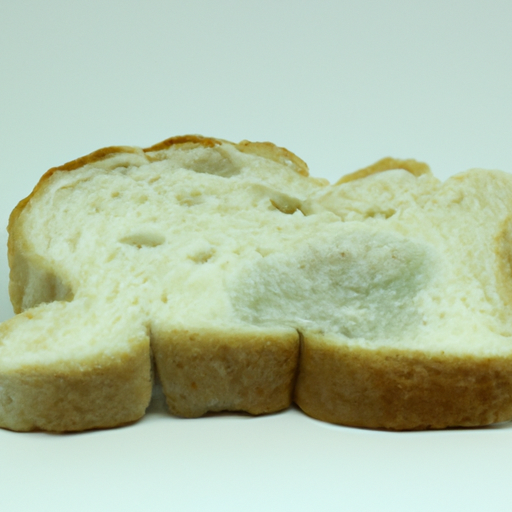
Pantry
Room temperature, 68°F (20°C)
Keep in a bread box or sealed plastic bag
Dry foods stay fresher when protected from moisture, pests, and air exposure. airtight pantry containers (Amazon) help maintain quality and extend shelf life for pantry staples.
5 days
Mold growth, stale smell, visible moisture
Excess humidity can cause dry foods to clump or spoil. Adding food-safe desiccant packs (Amazon) to storage containers helps control moisture levels and extend shelf life.
Make breadcrumbs, use in bread pudding
Whole wheat bread, multigrain bread
As Bread White Sliced Opened ages, it tends to lose moisture, becoming stale and less palatable. While stale bread is not necessarily unsafe to eat, it may not taste as good or have the desired texture. The expiration date on the packaging indicates when the bread is no longer at its peak quality, but it is generally safe to consume for a few days beyond that date if properly stored. Quality may decline faster in humid environments compared to dry climates.
To determine if opened white sliced bread has gone bad, look for mold on the surface, a sour or moldy smell, or a change in texture such as being excessively dry or sticky. If you notice any of these signs, it is best to discard the bread to avoid consuming spoiled food.
Consuming improperly stored or expired Bread White Sliced Opened can lead to foodborne illnesses caused by pathogens such as mold, bacteria like Salmonella or Listeria, and even yeast. To prevent contamination, always store bread in a cool, dry place, away from direct sunlight and moisture. Avoid keeping bread near raw meat or other high-risk foods, and never consume bread that shows signs of mold growth or unusual odors.
To maintain the freshness of Bread White Sliced Opened, consider storing it in a bread box or a paper bag to regulate airflow and prevent moisture build-up. Avoid refrigerating white bread as it can accelerate staling. If you intend to freeze the bread for longer storage, wrap it tightly in plastic or aluminum foil to prevent freezer burn. When ready to eat, allow the bread to thaw at room temperature or use a toaster for a quick refresh.
Bread holds immense cultural significance worldwide and has been a staple food for centuries. In many cultures, breaking bread is a symbol of sharing and unity. White bread, particularly sliced and opened, gained popularity in the mid-20th century with the advent of industrialized baking processes. Interestingly, the act of slicing bread mechanically was once considered a revolutionary invention.
Once opened, Bread White Sliced has a shelf life of 5 days. It is safe to consume within this period if stored properly in a sealed bag or container to maintain freshness. After 5 days, it is recommended to discard any remaining slices to prevent potential foodborne illness.
If Bread White Sliced Opened has been at room temperature for a few hours, it is generally safe to eat as long as there are no signs of spoilage such as mold, unusual odors, or texture changes. However, to maintain quality and safety, it is best to store it properly in a cool, dry place.
The type of container can impact the shelf life of Bread White Sliced Opened. It is recommended to store it in a sealed plastic bag or airtight container to prevent moisture loss and maintain freshness. Avoid storing it in paper bags or exposed to air, as this can lead to faster staling.
Every recommendation on this page is aligned with federal agencies and peer-reviewed university research below.
Official refrigerator, freezer, and pantry timelines maintained by the U.S. Department of Agriculture.
Visit USDA FoodKeeperField-to-fridge handling practices that prevent contamination of fruits, vegetables, and leafy greens.
Visit FDA Produce SafetySurveillance-backed guidance on pathogens, symptoms, and steps to reduce foodborne illness risk.
Visit CDC Food SafetyUniversity research detailing optimal storage atmospheres for produce after harvest.
Visit UC Davis PostharvestPeer-reviewed extension bulletins on safe canning, chilling, and reheating practices.
Visit Penn State ExtensionImportant: These are general guidelines based on authoritative sources listed above. Always use your best judgment and when in doubt, throw it out.
Disclosure: As an Amazon Associate, we earn from qualifying purchases. This helps support our site and allows us to continue providing free food safety information.