USDAOfficial guidance
USDA FoodKeeper – Cold Storage Guidelines
Official refrigerator, freezer, and pantry timelines maintained by the U.S. Department of Agriculture.
Visit USDA FoodKeeperStorage conditions, initial freshness, and potential contamination change the answer — and those details are easy to miss.
Last reviewed: January 2026
Reviewed by the Can I Eat Expired Editorial Team using official USDA, FDA, and CDC food safety guidance. How we assess food safety risk
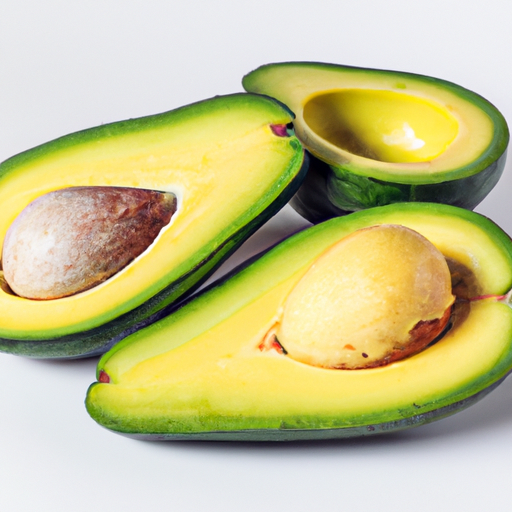
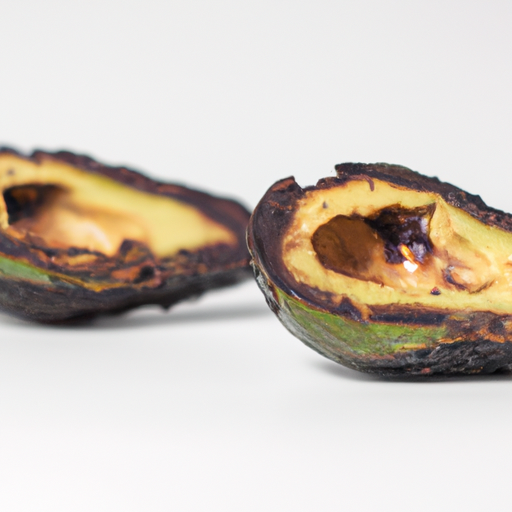
This food is often safe when handled and stored properly, but safety depends on how it's been kept and whether any spoilage signs are present.
⏱️ Safe for up to 5 days after expiry if properly stored and showing no spoilage signs.
Get a yes / no answer for your avocados →
Countertop
Room temperature
Ripen at room temp, refrigerate when ripe
Proper airflow and humidity control can extend produce freshness. Using produce storage containers (Amazon) in the refrigerator helps regulate moisture and slow spoilage.
7 days
180 days
Mushy texture, fermented smell, mold
Use in dips, spreads, or smoothies
Mashed bananas
Unlike many fruits, avocados do not ripen on the tree. They ripen after harvest and can be stored at different stages of ripeness. The expiration date on avocados usually refers to the point at which they may start to spoil or go bad. However, the best quality of an avocado is typically achieved when it is ripe. Ripe avocados give slightly to gentle pressure and have a creamy texture. To determine if an avocado is at its best quality, you can remove the stem; if the color underneath is green, the avocado is ripe and ready to eat.
To tell if an avocado has gone bad, look for dark spots or patches on the skin, as well as any mold growth. A bad avocado may also have a mushy texture when gently squeezed and emit a strong, unpleasant odor. If you notice any of these signs, it's best to discard the avocado to prevent any potential foodborne illnesses.
Avocados are relatively safe when it comes to foodborne illnesses, but there are still some risks to consider. The main risk with avocados is cross-contamination. If the outer skin of the avocado comes into contact with a contaminated surface, the bacteria can be transferred to the flesh when cutting into it. It's important to wash avocados thoroughly before cutting them to minimize this risk. Additionally, overripe or spoiled avocados can harbor pathogens, so it's crucial to discard any avocados that appear moldy, have a foul smell, or are mushy.
To keep avocados fresh for longer, store unripe avocados at room temperature until they ripen. Once ripe, you can slow down the ripening process by storing avocados in the refrigerator. If you only need half an avocado, store the half with the pit still intact as the pit helps prevent browning. Alternatively, you can sprinkle some lemon or lime juice on the cut surface to slow down oxidation. To ripen avocados quickly, place them in a paper bag with a banana or apple, as these fruits release ethylene gas, which speeds up ripening.
Avocados have been cultivated for thousands of years and are native to South Central Mexico. The word 'avocado' comes from the Nahuatl word 'āhuacatl,' which means testicle, likely due to the shape of the fruit. Avocados are a staple in many cuisines around the world, including Mexican, Californian, and Mediterranean. In some cultures, avocados are also used in desserts, smoothies, and even as a substitute for butter in baking.
Avocados should not be left in direct sunlight for more than 1-2 hours to prevent premature ripening or spoilage. Prolonged exposure to sunlight can cause the outer skin to dry out and affect the quality of the fruit.
If Avocados have been refrigerated for a week, they are likely safe to eat if they show no signs of spoilage such as off odors, mold, or slimy texture. However, the quality may have deteriorated. Check for any changes before consuming.
The type of container used for storing Avocados can impact its shelf life. Airtight containers or wrapping the avocado tightly in plastic wrap can help extend its freshness by reducing exposure to air and slowing down ripening. Avoid storing in metal containers that may cause the fruit to oxidize faster.
Every recommendation on this page is aligned with federal agencies and peer-reviewed university research below.
Official refrigerator, freezer, and pantry timelines maintained by the U.S. Department of Agriculture.
Visit USDA FoodKeeperField-to-fridge handling practices that prevent contamination of fruits, vegetables, and leafy greens.
Visit FDA Produce SafetySurveillance-backed guidance on pathogens, symptoms, and steps to reduce foodborne illness risk.
Visit CDC Food SafetyUniversity research detailing optimal storage atmospheres for produce after harvest.
Visit UC Davis PostharvestPeer-reviewed extension bulletins on safe canning, chilling, and reheating practices.
Visit Penn State ExtensionImportant: These are general guidelines based on authoritative sources listed above. Always use your best judgment and when in doubt, throw it out.
Disclosure: As an Amazon Associate, we earn from qualifying purchases. This helps support our site and allows us to continue providing free food safety information.