USDAOfficial guidance
USDA FoodKeeper – Cold Storage Guidelines
Official refrigerator, freezer, and pantry timelines maintained by the U.S. Department of Agriculture.
Visit USDA FoodKeeperStorage conditions, initial freshness, and proper handling change the answer — and those details are easy to miss.
Get a yes / no answer for your ajwain seeds →
Last reviewed: January 2026
Reviewed by the Can I Eat Expired Editorial Team using official USDA, FDA, and CDC food safety guidance. How we assess food safety risk
This food is often safe when handled and stored properly, but safety depends on how it's been kept and whether any spoilage signs are present.
⏱️ Safe for up to 365 days after expiry if properly stored and showing no spoilage signs.
Pantry
Room temperature
Store in a dry, airtight jar
Spices lose flavor and potency when exposed to air and moisture. Keeping them sealed in an airtight spice container (Amazon) helps preserve flavor and prevent clumping.
730 days
Loss of aroma, mold
Use in Indian and Middle Eastern dishes
Thyme, oregano
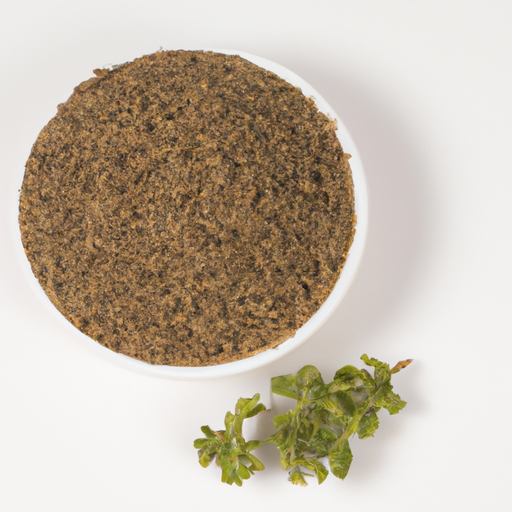
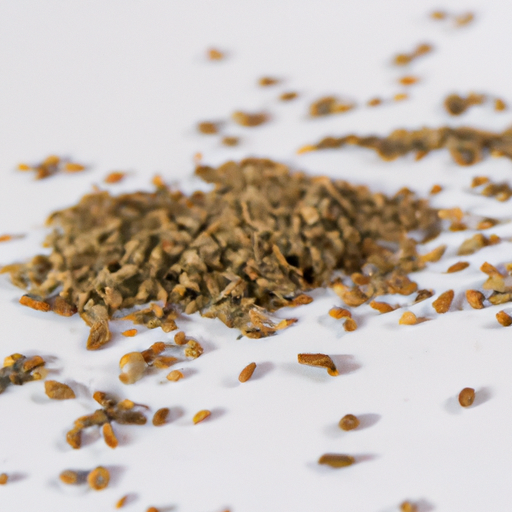
Ajwain seeds have a long shelf life if stored properly, but they may lose their flavor and aroma over time. The expiration date on the packaging indicates when the seeds may start to deteriorate in quality, affecting their taste and potency. However, ajwain seeds may still be safe for consumption after the expiration date, but the flavor may not be as intense as when they were fresher. It's best to use ajwain seeds within a year for optimal flavor.
To check if Ajwain Seeds have gone bad, look for any discoloration or mold growth on the seeds. A rancid or musty smell is a clear indicator of spoilage. Additionally, if the seeds feel soft or have lost their crisp texture, it's best to discard them.
Ajwain seeds are generally safe when consumed in moderate amounts, but individuals with allergies to similar plants like caraway or anise might experience allergic reactions. Excessive consumption of ajwain seeds can lead to stomach irritation, acid reflux, or allergic reactions in some individuals. It's important to store ajwain seeds properly to prevent contamination and mold growth.
To ensure the longevity and freshness of ajwain seeds, store them in an airtight container away from heat, light, and moisture. The best place to store ajwain seeds is in a cool, dark pantry or cupboard. Avoid transferring them to a spice rack near the stove, as exposure to heat can cause the seeds to lose their flavor and aroma quickly. It's recommended to buy ajwain seeds in small quantities that can be used within a few months to maintain their freshness.
Ajwain seeds, also known as carom seeds, are popular in Indian cuisine for their distinctive flavor and digestive properties. They are commonly used in various dishes, such as bread, curries, pickles, and snacks. Ajwain seeds are believed to aid digestion, reduce bloating, and provide relief from indigestion. In Ayurvedic medicine, ajwain seeds are used to treat digestive issues, respiratory problems, and even as a natural insect repellent.
Once opened, Ajwain Seeds can be safely consumed for up to 12 months if stored properly in an airtight container in a cool, dark place. It's best to check for any signs of spoilage like rancid smell or off color before using.
Ajwain Seeds can be consumed even if stored at room temperature, as long as it's within its shelf life of 730 days and shows no signs of spoilage. However, storing in a cool, dry place will help maintain its quality for a longer period.
The type of container can impact the shelf life of Ajwain Seeds. Opt for airtight glass or plastic containers to prevent moisture and air exposure, which can lead to quicker degradation of the seeds. Keep the container in a cool, dark pantry for optimal storage.
Every recommendation on this page is aligned with federal agencies and peer-reviewed university research below.
Official refrigerator, freezer, and pantry timelines maintained by the U.S. Department of Agriculture.
Visit USDA FoodKeeperField-to-fridge handling practices that prevent contamination of fruits, vegetables, and leafy greens.
Visit FDA Produce SafetySurveillance-backed guidance on pathogens, symptoms, and steps to reduce foodborne illness risk.
Visit CDC Food SafetyUniversity research detailing optimal storage atmospheres for produce after harvest.
Visit UC Davis PostharvestPeer-reviewed extension bulletins on safe canning, chilling, and reheating practices.
Visit Penn State ExtensionNeed deeper reading? Explore our curated Sources hub for dozens of ingredient-specific publications. Our food safety review methodology explains how safety determinations are made.
Cooking Ingredients
View expiration date and storage guide →
Baking Supplies
View expiration date and storage guide →
Grains & Pasta
View expiration date and storage guide →
Instant Foods
View expiration date and storage guide →
Grains & Pasta
View expiration date and storage guide →
Fruits & Vegetables
View expiration date and storage guide →
Sauces and Marinades
View expiration date and storage guide →
Beverages
View expiration date and storage guide →
Grains & Pasta
View expiration date and storage guide →
Important: These are general guidelines based on authoritative sources listed above. Always use your best judgment and when in doubt, throw it out. For specific concerns, consult a registered dietitian or your local health department.
Disclosure: As an Amazon Associate, we earn from qualifying purchases. This helps support our site and allows us to continue providing free food safety information.