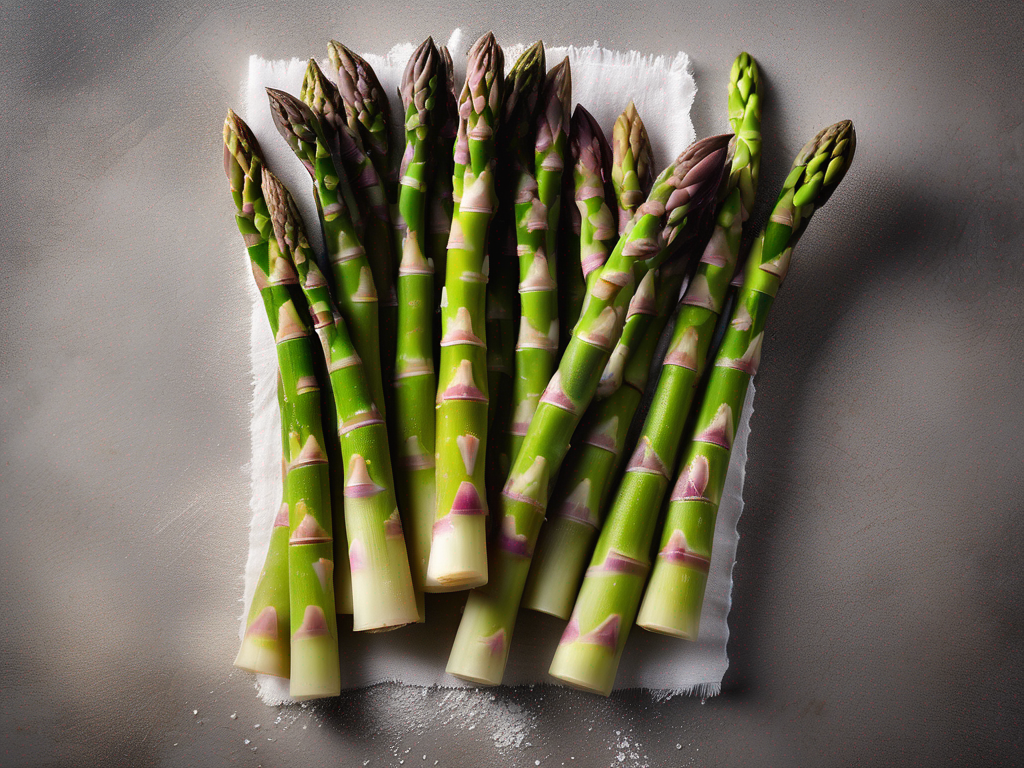
Reviving Wilted Asparagus: Tips for Bringing Life Back to Your Greens
Reviving Wilted Asparagus: Tips for Bringing Life Back to Your Greens
Asparagus is a versatile and nutritious vegetable that can elevate any dish with its unique flavor and texture. However, sometimes we may find ourselves with a bunch of wilted asparagus in the fridge, unsure of what to do with it. Instead of throwing it away, there are ways to revive wilted asparagus and make it fresh and crisp again. In this blog post, we will explore some practical tips for reviving your wilted asparagus, along with important food safety considerations. (Asparagus)
Understanding Wilted Asparagus
Wilted asparagus can occur when the vegetable loses moisture and begins to lose its firmness and crispness. This can happen if the asparagus is not stored properly or if it has been sitting in the fridge for too long. While wilted asparagus may not be as visually appealing, it can still be salvaged and enjoyed with a few simple techniques.
Signs of Wilted Asparagus
- Wrinkled or shriveled appearance
- Soft or limp texture
- Loss of vibrant green color
Safety Note:
Always check for signs of spoilage such as mold, sliminess, or a foul odor. If your asparagus shows any of these signs, it is best to discard it to prevent foodborne illness.
Proper airflow and humidity control can significantly extend produce freshness. Many households use produce storage containers (Amazon) in the refrigerator to regulate moisture and slow spoilage.
Reviving Wilted Asparagus: Tips and Tricks
1. Trim the Ends
- Start by trimming the ends of the asparagus stalks, cutting off about an inch from the bottom.
- This will remove any dried-out or tough parts and help the asparagus absorb water more effectively.
2. Refresh in Cold Water
- Place the trimmed asparagus in a container of cold water, enough to submerge the stalks.
- Let the asparagus soak for about 15-30 minutes to rehydrate and regain some of its crispness.
3. Steam or Blanch
- Steam or blanch the asparagus for a few minutes until it is tender but still slightly crisp.
- This will help revive the texture and brighten the color of the asparagus.
4. Ice Bath
- After steaming or blanching, transfer the asparagus to an ice bath to stop the cooking process and lock in the freshness.
- The ice bath will also help maintain the vibrant green color of the asparagus.
5. Use in Soups or Stir-Fries
- If your asparagus is still slightly wilted after these steps, consider using it in soups, stir-fries, or casseroles where the texture may not be as crucial.
- Cooking the asparagus in a dish can help mask any lingering signs of wiltedness.
Storing Asparagus Properly
To prevent your fresh asparagus from wilting prematurely, follow these storage tips:
- Refrigeration: Store asparagus in the refrigerator, upright in a glass of water or wrapped in a damp paper towel.
- Trimming: Trim the ends of the asparagus and change the water every few days to keep it fresh.
- Use Quickly: Asparagus is best enjoyed within a few days of purchase for optimal freshness.
In Conclusion
Wilted asparagus doesn't have to be a lost cause. With a few simple steps, you can revive your asparagus and enjoy it in your favorite dishes. Remember to always prioritize food safety and discard any asparagus that shows signs of spoilage. By following these tips, you can make the most of your wilted asparagus and reduce food waste in your kitchen.
For more information on asparagus and other food storage tips, visit our website.
Keeping produce organized can improve air circulation and cooling. refrigerator organizer bins (Amazon) help reduce overcrowding and maintain consistent refrigerator temperatures.
Happy cooking! (Asparagus)
Related Posts
Here are some other articles you might find helpful:
Authoritative Food Safety References
These agencies and university labs inform every tip and health precaution we publish.
USDA FoodKeeper – Cold Storage Guidelines
Official refrigerator, freezer, and pantry timelines maintained by the U.S. Department of Agriculture.
Visit USDA FoodKeeperFDA Produce Safety Rule & Grower Guidance
Field-to-fridge handling practices that prevent contamination of fruits, vegetables, and leafy greens.
Visit FDA Produce SafetyCDC Foodborne Illness Prevention Hub
Surveillance-backed guidance on pathogens, symptoms, and steps to reduce foodborne illness risk.
Visit CDC Food SafetyUC Davis Postharvest Technology Center
University research detailing optimal storage atmospheres for produce after harvest.
Visit UC Davis PostharvestPenn State Extension – Home Food Preservation & Safety
Peer-reviewed extension bulletins on safe canning, chilling, and reheating practices.
Visit Penn State ExtensionDisclosure: As an Amazon Associate, we earn from qualifying purchases. This helps support our site and allows us to continue providing free food safety information.