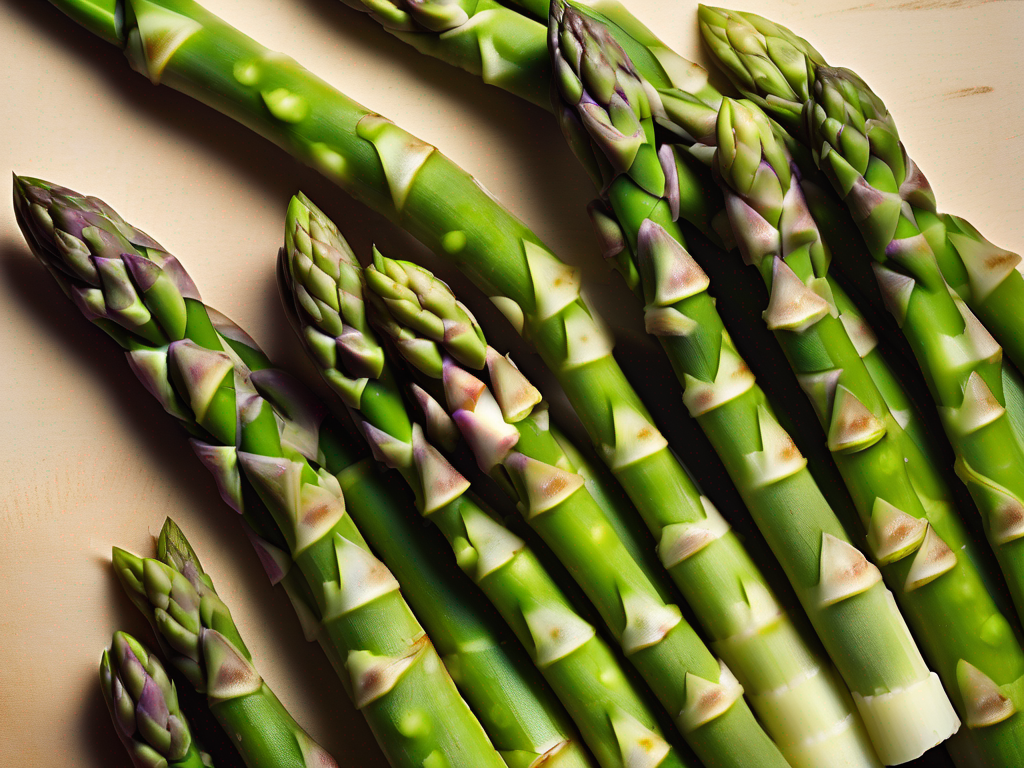
How to Store Asparagus to Keep it Fresh Longer
How to Store Asparagus to Keep it Fresh Longer
Asparagus is a delicious and nutritious vegetable that is best enjoyed when it is fresh. Whether you have just harvested some asparagus from your garden or bought a bunch from the store, proper storage is key to maintaining its flavor and crispness. In this guide, we will explore the best practices for storing asparagus to ensure it stays fresh for as long as possible. (Asparagus)
Why Proper Storage is Important for Asparagus
Asparagus is a delicate vegetable that is sensitive to temperature and moisture. Improper storage can cause it to wilt, lose its flavor, and deteriorate quickly. By following the right storage techniques, you can extend the shelf life of asparagus and enjoy it at its best.
Factors that Affect Asparagus Freshness
Several factors can impact the freshness of asparagus:
Proper cooking temperatures are essential for food safety. An instant-read food thermometer (Amazon) helps ensure meat reaches safe internal temperatures and reduces the risk of foodborne illness.
- Temperature: Asparagus should be stored at the right temperature to prevent it from drying out or becoming soggy.
- Moisture: Excess moisture can cause asparagus to spoil quickly, while too little moisture can lead to dehydration.
- Air Exposure: Asparagus should be stored in a way that minimizes exposure to air, which can cause it to lose its crispness.
- Ethylene Sensitivity: Asparagus is sensitive to ethylene gas, which is produced by certain fruits and vegetables and can accelerate its deterioration.
Best Practices for Storing Asparagus
Proper storage is essential for preserving the freshness and flavor of asparagus. Follow these tips to keep your asparagus fresh for longer:
1. Choosing Fresh Asparagus
Before storing asparagus, make sure you start with fresh, high-quality produce. Look for firm, bright green stalks with tightly closed tips. Avoid asparagus with wilted or slimy stems.
2. Trimming and Cleaning
Before storing asparagus, trim the woody ends of the stalks to ensure even cooking and better storage. Rinse the asparagus under cold water to remove any dirt or debris.
Refrigerator temperature fluctuations can accelerate spoilage and increase food safety risks. A refrigerator thermometer (Amazon) helps monitor consistent cold storage (40°F or below).
3. Refrigeration
Refrigeration is the best way to store fresh asparagus. Follow these steps to refrigerate asparagus properly:
- Wrap the trimmed asparagus in a damp paper towel to maintain moisture.
- Place the wrapped asparagus in a plastic bag or airtight container.
- Store the asparagus in the vegetable crisper drawer of the refrigerator.
4. Storing Asparagus in Water
If you prefer to store asparagus in water, follow these steps:
- Trim the woody ends of the asparagus.
- Place the asparagus upright in a glass or jar with about an inch of water.
- Cover the asparagus loosely with a plastic bag.
- Change the water every 2-3 days to keep it fresh.
5. Freezing Asparagus
If you have a surplus of asparagus and want to store it for a longer period, consider freezing it:
- Blanch the trimmed asparagus in boiling water for 2-3 minutes.
- Plunge the asparagus into ice water to stop the cooking process.
- Drain the asparagus, pat it dry, and transfer it to a freezer-safe bag or container.
- Label the container with the date and store it in the freezer for up to 6 months.
Safety Precautions for Storing Asparagus
When storing asparagus, it is essential to follow food safety guidelines to prevent contamination and foodborne illnesses. Here are some safety precautions to keep in mind:
- Wash your hands before handling asparagus to prevent cross-contamination.
- Store asparagus away from raw meat, poultry, and seafood to avoid potential contamination.
- Check the temperature of your refrigerator regularly to ensure it is maintaining a safe temperature (below 40°F or 4°C).
Conclusion
Proper storage is crucial for maintaining the freshness and quality of asparagus. By following the tips outlined in this guide, you can ensure that your asparagus stays fresh and flavorful for longer periods. Whether you choose to refrigerate, store in water, or freeze your asparagus, taking the time to store it correctly will allow you to enjoy this versatile vegetable in various dishes. Remember to always practice food safety measures to protect yourself and your family from foodborne illnesses. Enjoy your fresh asparagus! (Asparagus)
Authoritative Food Safety References
These agencies and university labs inform every tip and health precaution we publish.
USDA FoodKeeper – Cold Storage Guidelines
Official refrigerator, freezer, and pantry timelines maintained by the U.S. Department of Agriculture.
Visit USDA FoodKeeperFDA Produce Safety Rule & Grower Guidance
Field-to-fridge handling practices that prevent contamination of fruits, vegetables, and leafy greens.
Visit FDA Produce SafetyCDC Foodborne Illness Prevention Hub
Surveillance-backed guidance on pathogens, symptoms, and steps to reduce foodborne illness risk.
Visit CDC Food SafetyUC Davis Postharvest Technology Center
University research detailing optimal storage atmospheres for produce after harvest.
Visit UC Davis PostharvestPenn State Extension – Home Food Preservation & Safety
Peer-reviewed extension bulletins on safe canning, chilling, and reheating practices.
Visit Penn State ExtensionDisclosure: As an Amazon Associate, we earn from qualifying purchases. This helps support our site and allows us to continue providing free food safety information.