Best Ways to Store Nut Bread Freshly Baked for Longer Freshness
Best Ways to Store Nut Bread Freshly Baked for Longer Freshness
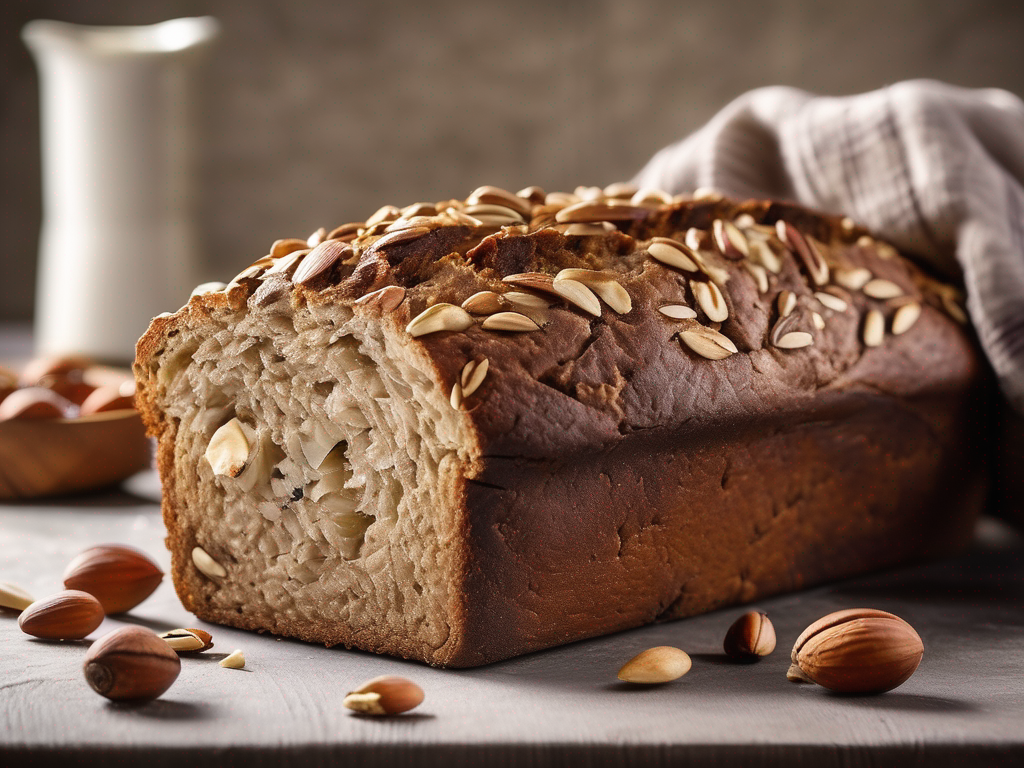
Nut bread is a delicious and nutritious treat that can be enjoyed at any time of the day. Whether you bake it yourself or purchase it from a bakery, properly storing nut bread is essential to maintain its freshness and flavor. In this blog post, we will discuss the best ways to store nut bread freshly baked to keep it fresh longer. (Nut bread freshly baked)
Importance of Proper Storage
Properly storing nut bread is crucial to prevent it from drying out, becoming stale, or developing mold. By following the correct storage methods, you can extend the shelf life of nut bread and ensure that it stays fresh and delicious for longer periods.
Factors Affecting Nut Bread Freshness
Before diving into the best storage practices, it's essential to understand the factors that can affect the freshness of nut bread:
Dry foods stay fresher when protected from moisture, pests, and air exposure. Using airtight pantry containers (Amazon) helps maintain quality and extend shelf life for pantry staples.
- Moisture: Excess moisture can make nut bread soggy and promote mold growth.
- Air Exposure: Exposure to air can cause nut bread to dry out and become stale.
- Temperature: Extreme temperatures can accelerate the staling process of nut bread.
- Light: Direct sunlight can cause nut bread to spoil faster.
Now, let's explore the best ways to store nut bread to maintain its freshness.
Storage Tips for Nut Bread Freshly Baked
Here are some practical tips to help you store nut bread freshly baked for longer freshness:
1. Cool Completely
- Allow the nut bread to cool completely at room temperature before storing it. This helps prevent condensation inside the storage container, which can make the bread soggy.
2. Wrap Properly
- Plastic Wrap: Wrap the nut bread tightly in plastic wrap to seal in moisture and prevent it from drying out.
- Foil: Alternatively, you can wrap the nut bread in aluminum foil to protect it from air exposure.
3. Store in airtight container
- Place the wrapped nut bread in an airtight container or a resealable plastic bag to further protect it from air and moisture.
4. Avoid Refrigeration
- Refrigeration: Avoid storing nut bread in the refrigerator, as the cold temperature can accelerate staling and cause the bread to dry out faster.
5. Freeze for Longer Storage
- Freezing: To extend the shelf life of nut bread, you can freeze it. Wrap the bread in plastic wrap and aluminum foil before placing it in a freezer-safe bag or container.
Safety Precautions for Storing Nut Bread
When storing nut bread, it's essential to follow proper food safety guidelines to prevent the growth of harmful bacteria and ensure the bread remains safe to eat:
Excess humidity can cause dry foods to clump or spoil. Adding food-safe desiccant packs (Amazon) to storage containers helps control moisture levels and extend shelf life.
- Labeling: Always label the storage container with the date when the nut bread was baked to track its freshness.
- Inspect Regularly: Check the nut bread periodically for any signs of mold, off smells, or discoloration. Discard if any spoilage is detected.
- Clean Storage Containers: Before storing nut bread, make sure the storage containers are clean and dry to prevent contamination.
Conclusion
By following the tips and guidelines outlined in this blog post, you can effectively store nut bread freshly baked to keep it fresh longer. Proper storage methods not only help maintain the freshness and flavor of nut bread but also ensure its safety for consumption. Experiment with different storage techniques to find the method that works best for your preferences and lifestyle. Enjoy your nut bread at its peak freshness by storing it correctly! (Nut bread freshly baked)
Authoritative Food Safety References
These agencies and university labs inform every tip and health precaution we publish.
USDA FoodKeeper – Cold Storage Guidelines
Official refrigerator, freezer, and pantry timelines maintained by the U.S. Department of Agriculture.
Visit USDA FoodKeeperFDA Produce Safety Rule & Grower Guidance
Field-to-fridge handling practices that prevent contamination of fruits, vegetables, and leafy greens.
Visit FDA Produce SafetyCDC Foodborne Illness Prevention Hub
Surveillance-backed guidance on pathogens, symptoms, and steps to reduce foodborne illness risk.
Visit CDC Food SafetyUC Davis Postharvest Technology Center
University research detailing optimal storage atmospheres for produce after harvest.
Visit UC Davis PostharvestPenn State Extension – Home Food Preservation & Safety
Peer-reviewed extension bulletins on safe canning, chilling, and reheating practices.
Visit Penn State ExtensionDisclosure: As an Amazon Associate, we earn from qualifying purchases. This helps support our site and allows us to continue providing free food safety information.