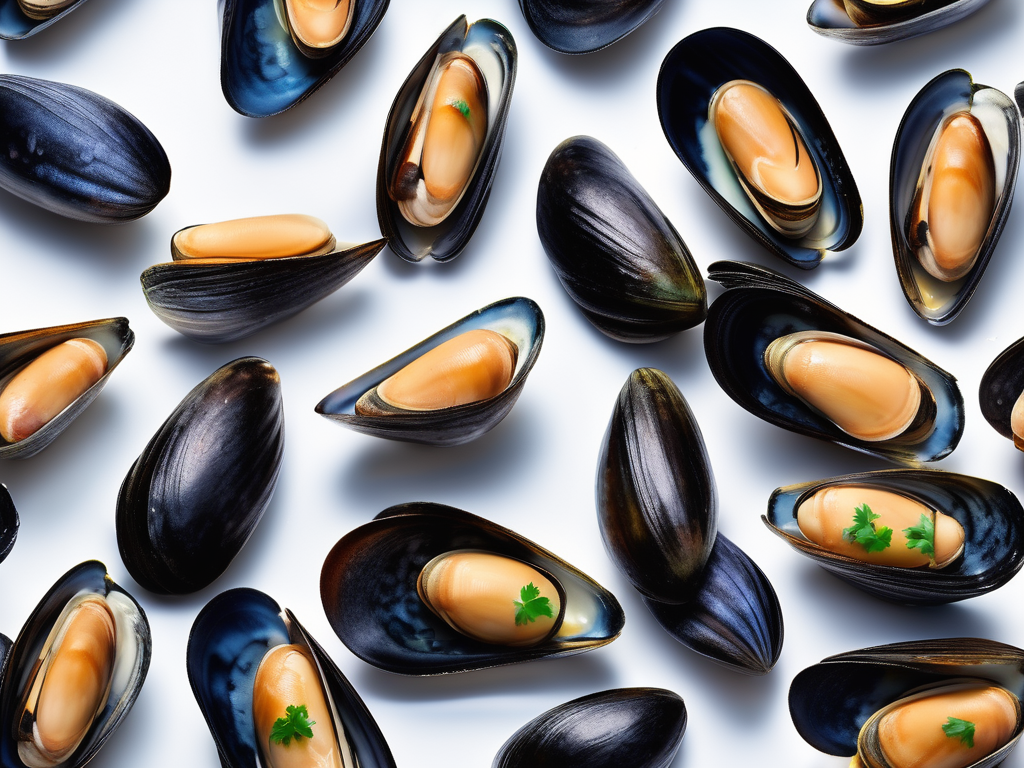
The Best Way to Store Mussels to Prevent Spoilage
The Best Way to Store Mussels to Prevent Spoilage
Mussels are a delicious and versatile seafood option that can be prepared in various ways, from steaming to grilling. However, to fully enjoy their flavor and prevent spoilage, proper storage is crucial. In this blog post, we will discuss the best ways to store mussels to maintain their freshness and quality. (Mussels)
Understanding Mussels
Before diving into storage tips, it's essential to understand the nature of mussels. Mussels are bivalve mollusks that are highly perishable once harvested. They are filter feeders, meaning they can easily absorb contaminants and bacteria from their environment. Therefore, proper handling and storage are vital to ensure food safety.
Factors Affecting Mussel Spoilage
Several factors can contribute to the spoilage of mussels if not stored correctly. These include:
Seafood is highly perishable and requires consistent cold storage. A refrigerator thermometer (Amazon) helps ensure your refrigerator maintains safe temperatures (40°F or below) to prevent spoilage.
- Temperature fluctuations
- Exposure to air
- Contamination
- Excessive moisture
Now, let's explore the best practices for storing mussels to mitigate these risks.
How to Store Mussels Properly
1. Purchase Fresh Mussels
When buying mussels, choose ones that are alive and have tightly closed shells. Avoid mussels with broken or open shells, as they may be dead and can cause foodborne illness.
2. Store in the Refrigerator
Once you bring mussels home, it's crucial to store them in the refrigerator immediately. Follow these steps:
Proper packaging is crucial when freezing seafood. Using freezer-safe storage bags (Amazon) helps preserve texture, prevent freezer burn, and maintain quality during storage.
- Place the mussels in a colander or a bowl.
- Cover them with a damp cloth or paper towel.
- Place the colander or bowl in the refrigerator.
- Do not store mussels in an airtight container or directly in water, as they need to breathe.
3. Keep Cold But Not Frozen
Mussels should be stored at a temperature between 32°F to 40°F (0°C to 4°C). Freezing mussels can damage their texture and flavor, so avoid storing them in the freezer.
4. Discard Dead Mussels Promptly
Before cooking mussels, make sure to check if they are alive. Tap any open mussels gently on a hard surface. If they do not close their shells within a few minutes, discard them immediately.
5. Use Them Promptly
Mussels are best consumed fresh, so try to use them within a day or two of purchase for optimal taste and quality.
Safety Tips for Handling Mussels
1. Clean and Debeard Mussels
Before storing mussels, it's essential to clean them thoroughly. Remove any debris or barnacles from the shells and debeard them by pulling out the string-like appendage protruding from the shell.
2. Avoid Cross-Contamination
To prevent cross-contamination, keep mussels separate from other foods in the refrigerator. Store them on a lower shelf to prevent any potential drips from contaminating other items.
3. Cook Thoroughly
When cooking mussels, ensure they are cooked thoroughly to an internal temperature of 145°F (63°C) to kill any harmful bacteria.
Conclusion
Proper storage is key to maintaining the freshness and quality of mussels while ensuring food safety. By following the tips outlined in this post, you can enjoy delicious mussels without the risk of spoilage or foodborne illness. Remember to purchase fresh mussels, store them in the refrigerator, discard any dead mussels promptly, and follow safety guidelines when handling and cooking them. By taking these precautions, you can savor the delightful taste of mussels with peace of mind. (Mussels)
Authoritative Food Safety References
These agencies and university labs inform every tip and health precaution we publish.
USDA FoodKeeper – Cold Storage Guidelines
Official refrigerator, freezer, and pantry timelines maintained by the U.S. Department of Agriculture.
Visit USDA FoodKeeperFDA Produce Safety Rule & Grower Guidance
Field-to-fridge handling practices that prevent contamination of fruits, vegetables, and leafy greens.
Visit FDA Produce SafetyCDC Foodborne Illness Prevention Hub
Surveillance-backed guidance on pathogens, symptoms, and steps to reduce foodborne illness risk.
Visit CDC Food SafetyUC Davis Postharvest Technology Center
University research detailing optimal storage atmospheres for produce after harvest.
Visit UC Davis PostharvestPenn State Extension – Home Food Preservation & Safety
Peer-reviewed extension bulletins on safe canning, chilling, and reheating practices.
Visit Penn State ExtensionDisclosure: As an Amazon Associate, we earn from qualifying purchases. This helps support our site and allows us to continue providing free food safety information.