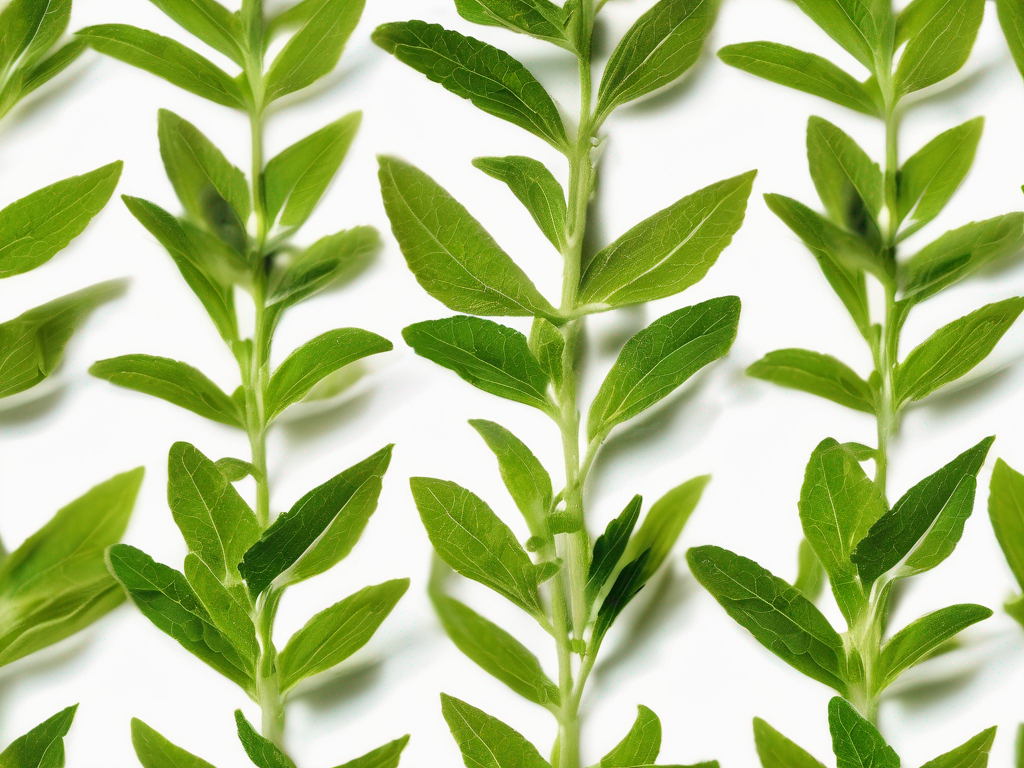
How to Store Dried Lemon Verbena to Maintain Its Flavor
How to Store Dried Lemon Verbena to Maintain Its Flavor
Lemon verbena is a versatile herb known for its citrusy aroma and flavor. Whether you grow it in your garden or purchase it dried, proper storage is essential to preserve its freshness and taste. In this guide, we will explore the best way to store dried lemon verbena to maintain its flavor and aroma for an extended period. (Lemon verbena)
Understanding Lemon Verbena
Before delving into storage methods, let's briefly discuss what lemon verbena is and its culinary uses. Lemon verbena is a perennial herb native to South America, prized for its lemony fragrance and taste. It is commonly used to add a refreshing citrus flavor to teas, desserts, and savory dishes.
Why Proper Storage Matters
Proper storage is crucial for preserving the flavor and aroma of dried lemon verbena. When exposed to factors like light, heat, moisture, and air, herbs can lose their potency and flavor over time. By storing dried lemon verbena correctly, you can prolong its shelf life and ensure optimal taste when using it in recipes.
Proper cooking temperatures are essential for food safety. An instant-read food thermometer (Amazon) helps ensure meat reaches safe internal temperatures and reduces the risk of foodborne illness.
Tips for Storing Dried Lemon Verbena
Here are some practical tips to help you store dried lemon verbena effectively:
-
Choose the Right Container: Use airtight containers such as glass jars or resealable bags to protect dried lemon verbena from moisture and air exposure.
-
Keep It Cool and Dark: Store the containers in a cool, dark place away from direct sunlight and heat sources like stoves or ovens.
-
Avoid Humidity: Moisture can cause dried herbs to lose their flavor and spoil quickly. Keep dried lemon verbena away from humid areas like the kitchen sink or dishwasher.
-
Label and Date: To keep track of freshness, label the containers with the date of purchase or expiration. This will help you identify when it's time to replace the herb.
-
Don't Crush Until Use: To maintain the herb's flavor potency, avoid crushing or grinding dried lemon verbena until you are ready to use it in a recipe.
Additional Storage Tips
-
Freezing: If you want to extend the shelf life of dried lemon verbena, consider freezing it in an airtight container. Frozen herbs can retain their flavor for several months.
-
Vacuum Sealing: Using a vacuum sealer can help remove air from the storage container, preserving the herb's freshness for a longer period.
-
Herb Keeper: Invest in a specialized herb keeper or herb storage container designed to maintain optimal humidity levels for dried herbs.
Safety Precautions
While storing dried lemon verbena, it's essential to follow safety precautions to prevent contamination and ensure food safety:
-
Check for Mold: Before storing or using dried lemon verbena, inspect it for signs of mold or moisture. Discard any herbs that appear moldy or have an off smell.
-
Wash Hands: Always wash your hands before handling dried herbs to avoid transferring bacteria or contaminants.
-
Avoid Cross-Contamination: Store dried lemon verbena away from raw meat, poultry, or other ingredients that could contaminate the herb.
Conclusion
Proper storage is key to preserving the flavor and aroma of dried lemon verbena. By following the tips outlined in this guide, you can enjoy the citrusy goodness of lemon verbena in your culinary creations for an extended period. Remember to keep the herb in a cool, dark place, away from moisture and air exposure, and always check for freshness before using it in recipes. With the right storage practices, your dried lemon verbena will continue to enhance dishes with its bright, citrusy flavor. (Lemon verbena)
Authoritative Food Safety References
These agencies and university labs inform every tip and health precaution we publish.
USDA FoodKeeper – Cold Storage Guidelines
Official refrigerator, freezer, and pantry timelines maintained by the U.S. Department of Agriculture.
Visit USDA FoodKeeperFDA Produce Safety Rule & Grower Guidance
Field-to-fridge handling practices that prevent contamination of fruits, vegetables, and leafy greens.
Visit FDA Produce SafetyCDC Foodborne Illness Prevention Hub
Surveillance-backed guidance on pathogens, symptoms, and steps to reduce foodborne illness risk.
Visit CDC Food SafetyUC Davis Postharvest Technology Center
University research detailing optimal storage atmospheres for produce after harvest.
Visit UC Davis PostharvestPenn State Extension – Home Food Preservation & Safety
Peer-reviewed extension bulletins on safe canning, chilling, and reheating practices.
Visit Penn State ExtensionDisclosure: As an Amazon Associate, we earn from qualifying purchases. This helps support our site and allows us to continue providing free food safety information.