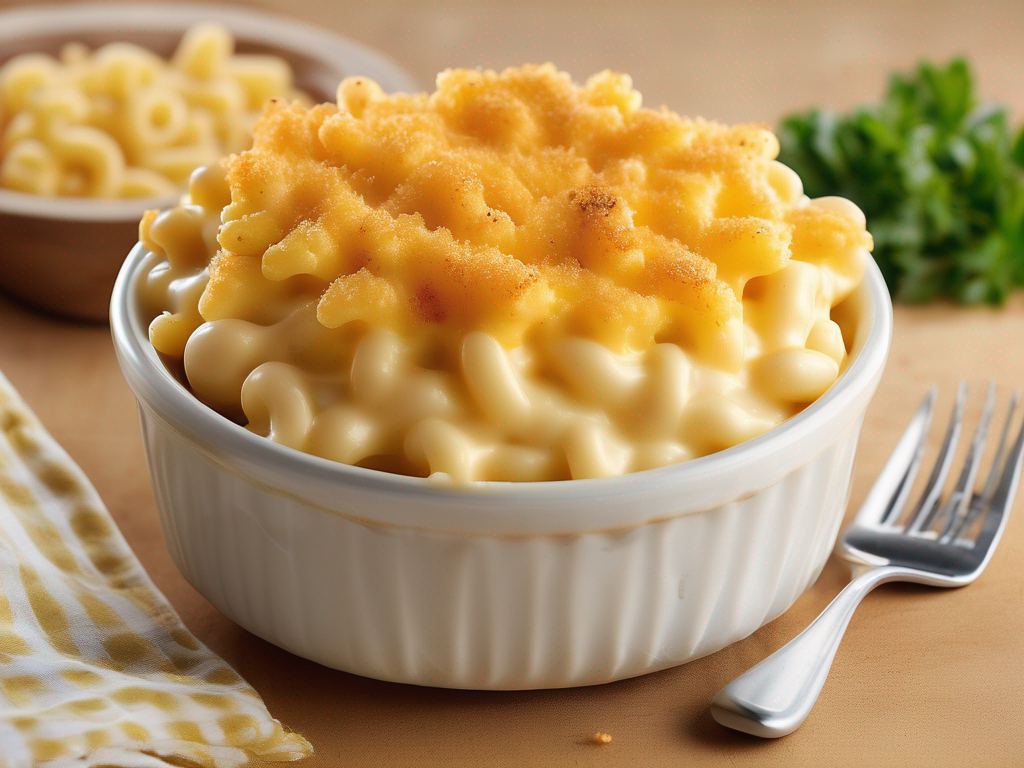
The Best Way to Reheat Microwaveable Mac and Cheese Without Drying It Out
The Best Way to Reheat Microwaveable Mac and Cheese Without Drying It Out
If you're a fan of the convenience of microwaveable mac and cheese but hate when it turns out dry and unappetizing after reheating, you're not alone. Reheating mac and cheese in the microwave can be a tricky task, but with the right techniques, you can enjoy creamy and delicious mac and cheese every time. In this post, we'll explore the best way to reheat microwaveable mac and cheese without drying it out. (Microwaveable mac cheese)
Understanding the Challenge
Microwaveable mac and cheese often contains a creamy cheese sauce that can easily become dry and clumpy when reheated. This is because microwave heating can cause the moisture in the cheese sauce to evaporate quickly, leaving you with a less-than-appetizing dish. However, with the right approach, you can preserve the creamy texture and cheesy flavor of your mac and cheese.
Tips for Reheating Microwaveable Mac and Cheese
1. Add a Splash of Milk
- Before reheating your mac and cheese, stir in a splash of milk to the dish. This will help add moisture to the cheese sauce and prevent it from drying out.
2. Cover the Dish
- When reheating mac and cheese in the microwave, cover the dish with a microwave-safe lid or microwave-safe plastic wrap. This will help trap the steam inside the dish, keeping the cheese sauce creamy and preventing it from drying out.
3. Use the Right Power Setting
- To prevent your mac and cheese from drying out, reheat it on a lower power setting in the microwave. This will allow the dish to heat more evenly and prevent the cheese sauce from becoming too hot and drying out.
4. Stir Frequently
- While reheating your mac and cheese in the microwave, pause every 30 seconds to stir the dish. This will help distribute the heat evenly and prevent any areas from drying out.
5. Add Cheese or Butter
- If your mac and cheese still seems dry after reheating, try adding a little extra cheese or butter to the dish. This will help restore moisture and creaminess to the cheese sauce.
Safety Tips for Reheating Mac and Cheese
- Always ensure your mac and cheese reaches a safe internal temperature of 165°F (74°C) when reheating to kill any harmful bacteria.
- Store leftover mac and cheese in airtight containers in the refrigerator and consume within 3-4 days to maintain freshness and safety.
- When reheating mac and cheese, avoid using containers or utensils that are not microwave-safe to prevent accidents and ensure food safety.
By following these tips and safety guidelines, you can enjoy delicious and creamy microwaveable mac and cheese every time you reheat it. Experiment with these techniques to find the method that works best for your preferences and microwave settings.
Dairy products require consistent cold storage to prevent spoilage and bacterial growth. A refrigerator thermometer (Amazon) helps ensure your refrigerator maintains safe temperatures (40°F or below).
In conclusion, reheating microwaveable mac and cheese without drying it out is possible with the right approach. By incorporating these tips and safety measures into your reheating routine, you can enjoy a creamy and satisfying mac and cheese experience every time. Experiment with different methods to find the one that works best for you, and never settle for dry and unappetizing leftovers again. [microwaveable mac cheese](/food/microwaveable mac cheese) (Microwaveable mac cheese)
Authoritative Food Safety References
These agencies and university labs inform every tip and health precaution we publish.
USDA FoodKeeper – Cold Storage Guidelines
Official refrigerator, freezer, and pantry timelines maintained by the U.S. Department of Agriculture.
Visit USDA FoodKeeperFDA Produce Safety Rule & Grower Guidance
Field-to-fridge handling practices that prevent contamination of fruits, vegetables, and leafy greens.
Visit FDA Produce SafetyCDC Foodborne Illness Prevention Hub
Surveillance-backed guidance on pathogens, symptoms, and steps to reduce foodborne illness risk.
Visit CDC Food SafetyUC Davis Postharvest Technology Center
University research detailing optimal storage atmospheres for produce after harvest.
Visit UC Davis PostharvestPenn State Extension – Home Food Preservation & Safety
Peer-reviewed extension bulletins on safe canning, chilling, and reheating practices.
Visit Penn State ExtensionDisclosure: As an Amazon Associate, we earn from qualifying purchases. This helps support our site and allows us to continue providing free food safety information.