What Happens to Gummi Candy When it Expires?
What Happens to Gummi Candy When it Expires?
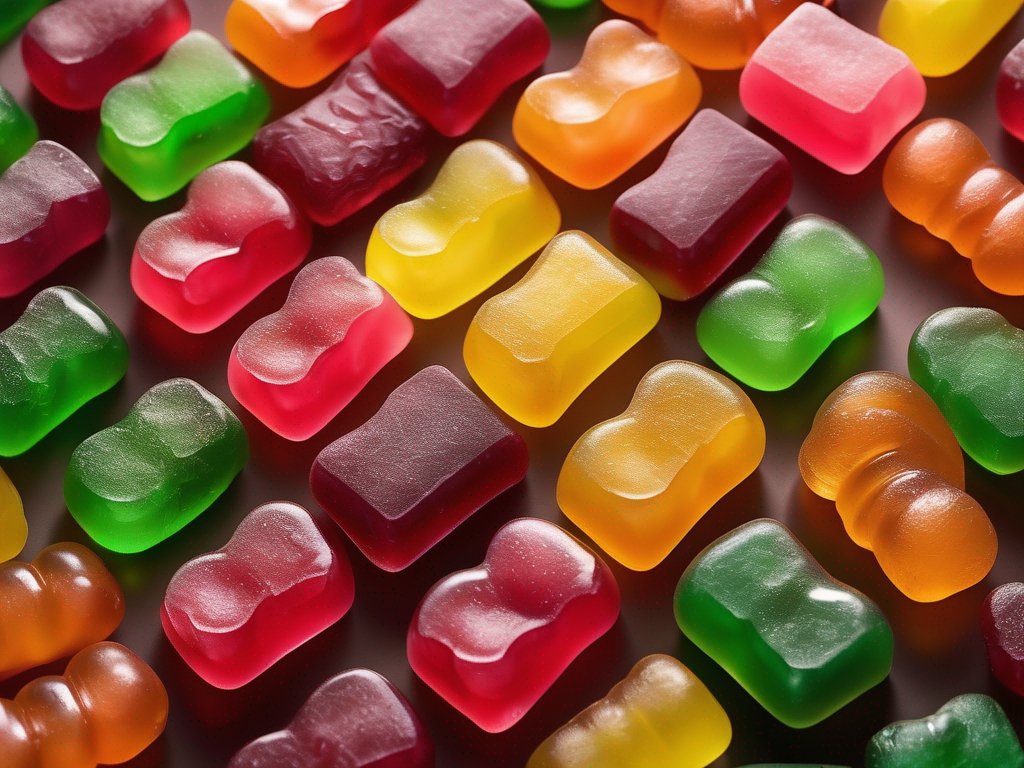
Gummi candy is a popular treat enjoyed by many for its chewy texture and fruity flavors. However, like any other food product, gummi candy also has an expiration date. Have you ever wondered what happens to gummi candy when it expires? In this blog post, we will explore the effects of expiration on gummi candy and provide tips on proper storage and handling to ensure food safety. (Gummi candy)
Understanding Gummi Candy Expiration
When gummi candy reaches its expiration date, several changes may occur due to the degradation of its ingredients. Here are some common effects of expired gummi candy:
Loss of Texture and Flavor
- Gummi candy may become harder and lose its chewy texture.
- The flavors in the candy may fade or become unpleasant.
Changes in Appearance
- Expired gummi candy may develop a white, powdery coating known as sugar bloom.
- The colors of the candy may fade or change over time.
Risk of Spoilage
- Expired gummi candy is more susceptible to microbial growth, leading to mold or bacterial contamination.
- Consuming spoiled gummi candy can cause foodborne illnesses.
Proper Storage of Gummi Candy
To prolong the shelf life of gummi candy and maintain its quality, it is essential to store it correctly. Here are some tips for proper gummi candy storage:
Proper airflow and humidity control can significantly extend produce freshness. Many households use produce storage containers (Amazon) in the refrigerator to regulate moisture and slow spoilage.
-
Cool and Dry Environment
- Store gummi candy in a cool, dry place away from direct sunlight and heat sources.
- Excessive heat can cause the candy to melt, while moisture can lead to stickiness and mold growth.
-
Airtight Containers
- Transfer gummi candy to airtight containers or resealable bags to prevent exposure to air and humidity.
- Proper sealing helps retain the candy's texture and flavors.
-
Avoid Temperature Fluctuations
- Keep gummi candy away from temperature fluctuations, such as placing it near appliances that generate heat or cold.
- Fluctuations in temperature can cause condensation inside the packaging, leading to spoilage.
-
Check Expiration Dates
- Always check the expiration dates on gummi candy packaging and consume it before it expires.
- Avoid purchasing or consuming gummi candy past its expiration date to ensure food safety.
Signs of Spoiled Gummi Candy
It is crucial to recognize the signs of spoiled gummi candy to avoid consuming contaminated food. Here are some indicators that gummi candy may be spoiled:
Mold Growth
- Visible mold growth on the surface of the candy indicates spoilage.
- Discard any gummi candy showing signs of mold to prevent foodborne illness.
Unpleasant Odor
- Spoiled gummi candy may emit a foul or off-putting odor.
- If the candy smells unusual or unpleasant, it is best to discard it.
Changes in Texture
- Expired gummi candy may become excessively hard, sticky, or slimy.
- Any significant changes in texture suggest spoilage and should be avoided.
Conclusion
In conclusion, when gummi candy expires, it can undergo changes in texture, flavor, and appearance, making it less appetizing and potentially harmful to consume. To ensure the safety and quality of gummi candy, store it in a cool, dry place, check expiration dates, and be vigilant for signs of spoilage. By following proper storage practices and recognizing the indicators of spoiled candy, you can enjoy gummi treats at their best while minimizing the risk of foodborne illness. Stay informed and prioritize food safety when indulging in your favorite gummi candy treats. (Gummi candy)
Authoritative Food Safety References
These agencies and university labs inform every tip and health precaution we publish.
USDA FoodKeeper – Cold Storage Guidelines
Official refrigerator, freezer, and pantry timelines maintained by the U.S. Department of Agriculture.
Visit USDA FoodKeeperFDA Produce Safety Rule & Grower Guidance
Field-to-fridge handling practices that prevent contamination of fruits, vegetables, and leafy greens.
Visit FDA Produce SafetyCDC Foodborne Illness Prevention Hub
Surveillance-backed guidance on pathogens, symptoms, and steps to reduce foodborne illness risk.
Visit CDC Food SafetyUC Davis Postharvest Technology Center
University research detailing optimal storage atmospheres for produce after harvest.
Visit UC Davis PostharvestPenn State Extension – Home Food Preservation & Safety
Peer-reviewed extension bulletins on safe canning, chilling, and reheating practices.
Visit Penn State ExtensionDisclosure: As an Amazon Associate, we earn from qualifying purchases. This helps support our site and allows us to continue providing free food safety information.