Signs That Whole Lemons Have Gone Bad
Signs That Whole Lemons Have Gone Bad
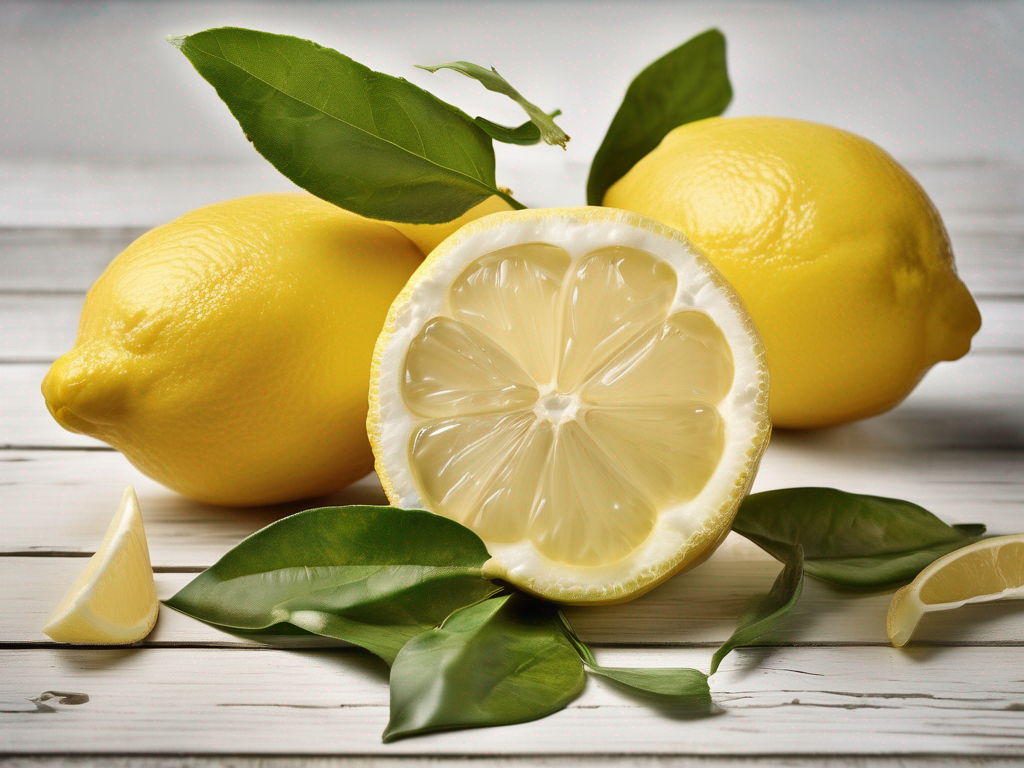
When it comes to fresh produce, lemons are a versatile and zesty addition to many dishes and beverages. However, like any perishable item, whole lemons can go bad if not stored properly or if they have been sitting around for too long. In this blog post, we will explore the signs that indicate your whole lemons may have gone bad and provide you with tips on how to properly store them to maximize their freshness. (Lemons whole)
How Long Do Whole Lemons Last?
Whole lemons can last for several weeks if stored correctly. The shelf life of lemons can vary depending on factors like temperature, humidity, and how ripe they were when purchased. Here are some general guidelines on how long whole lemons typically last:
-
Room Temperature: Whole lemons can last for about one week when stored at room temperature.
-
Refrigerator: When stored in the refrigerator, whole lemons can last for up to four weeks.
-
Freezer: Whole lemons can be stored in the freezer for up to six months.
Signs That Whole Lemons Have Gone Bad
Visual Signs
-
Mold: Mold growth is a clear indicator that your whole lemon has gone bad. If you notice any fuzzy green or white spots on the surface of the lemon, it is best to discard it.
-
Discoloration: If the skin of the lemon has turned dark or has soft spots, it is likely that the lemon is no longer fresh.
Texture and Smell
-
Softness: A fresh lemon should feel firm and slightly heavy for its size. If the lemon feels soft or mushy to the touch, it has likely gone bad.
-
Unpleasant Odor: Fresh lemons have a bright and citrusy scent. If your whole lemon gives off a sour or musty smell, it is a sign that it has spoiled.
Taste
- Bitter Taste: If you cut into a lemon and notice a bitter or off taste, it is best to discard it as it may have gone bad.
Proper Storage Tips for Whole Lemons
To extend the shelf life of your whole lemons and keep them fresh for longer, follow these storage tips:
-
Refrigeration: Store whole lemons in the refrigerator in a plastic bag or airtight container to help retain their moisture and prevent them from drying out.
-
Avoid Moisture: Make sure the lemons are completely dry before storing them to prevent mold growth.
-
Keep Away From Sunlight: Store lemons in a cool, dark place away from direct sunlight to prevent them from ripening too quickly.
-
Do Not Wash Before Storage: Avoid washing whole lemons before storing them, as moisture can promote mold growth.
Conclusion
In conclusion, whole lemons can go bad if not stored properly or if they have been sitting around for too long. By being mindful of the signs of spoilage and following proper storage guidelines, you can enjoy fresh and flavorful lemons for longer periods. Remember to inspect your whole lemons regularly and discard any that show signs of spoilage to ensure food safety and prevent any potential health risks. By incorporating these tips into your food storage routine, you can make the most out of your whole lemons and add a burst of citrus flavor to your favorite dishes and drinks.
For more information on [lemons whole](/food/lemons whole) and other food safety tips, stay tuned to our blog for future updates! (Lemons whole)
Authoritative Food Safety References
These agencies and university labs inform every tip and health precaution we publish.
USDA FoodKeeper – Cold Storage Guidelines
Official refrigerator, freezer, and pantry timelines maintained by the U.S. Department of Agriculture.
Visit USDA FoodKeeperFDA Produce Safety Rule & Grower Guidance
Field-to-fridge handling practices that prevent contamination of fruits, vegetables, and leafy greens.
Visit FDA Produce SafetyCDC Foodborne Illness Prevention Hub
Surveillance-backed guidance on pathogens, symptoms, and steps to reduce foodborne illness risk.
Visit CDC Food SafetyUC Davis Postharvest Technology Center
University research detailing optimal storage atmospheres for produce after harvest.
Visit UC Davis PostharvestPenn State Extension – Home Food Preservation & Safety
Peer-reviewed extension bulletins on safe canning, chilling, and reheating practices.
Visit Penn State Extension