USDAOfficial guidance
USDA FoodKeeper – Cold Storage Guidelines
Official refrigerator, freezer, and pantry timelines maintained by the U.S. Department of Agriculture.
Visit USDA FoodKeeperLast reviewed: January 2026
Reviewed by the Can I Eat Expired Editorial Team using official USDA, FDA, and CDC food safety guidance. How we assess food safety risk
May be safe if properly stored and showing no spoilage signs. Check carefully before consuming.
Storage conditions, initial freshness, and potential contamination change the answer — and those details are easy to miss.
Get a yes / no answer for your lemons →
Check Your Exact Situation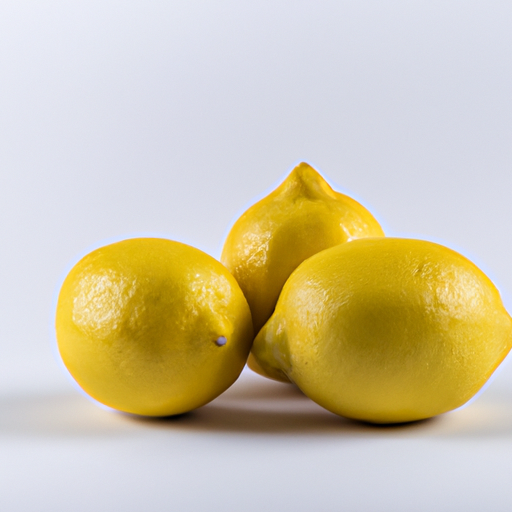
Fridge
Approximately 40°F (4°C)
Store in a plastic bag in the refrigerator crisper drawer.
Proper airflow and humidity control can extend produce freshness. Using produce storage containers (Amazon) in the refrigerator helps regulate moisture and slow spoilage.
14 days
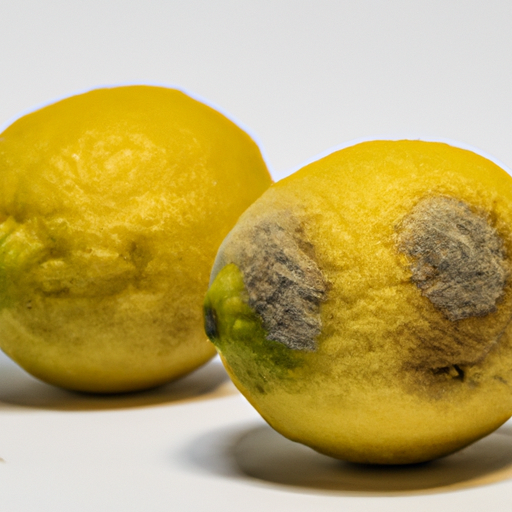
Mold, Softening, Discoloration
Zesting, Flavoring Water, Cleaning
Limes, Vinegar
Lemons degrade over time due to moisture loss and enzymatic reactions, leading to changes in flavor, texture, and appearance. While lemons may remain safe to consume past their prime, their quality declines with increased bitterness and decreased juiciness. It's crucial to differentiate between safety (no harmful bacteria) and optimal quality (best flavor and texture).
To check if a whole lemon has gone bad, look for mold, discoloration, or a shriveled appearance on the skin. Give it a gentle squeeze to feel for any soft spots or excessive firmness. Lastly, sniff the lemon for any sour or off-putting odor, indicating spoilage.
Consuming contaminated lemons can lead to foodborne illnesses such as norovirus, E. coli, and Salmonella. To prevent risks, wash lemons thoroughly before zesting or slicing, avoid cross-contamination with other foods, and refrigerate cut lemons promptly. High-risk scenarios include using unwashed lemons in drinks or dishes that won't undergo further cooking.
For optimal storage, keep lemons unwashed in a cool, dry place away from direct sunlight. To extend shelf life, refrigerate lemons in a perforated plastic bag to retain moisture without promoting mold growth. To extract maximum juice, roll lemons on a hard surface before juicing or microwave them for a few seconds to enhance juiciness.
Lemons have a rich history dating back to ancient Rome, where they were prized for their medicinal properties and used as a status symbol. Culturally, lemons feature prominently in Mediterranean and Middle Eastern cuisines, adding bright acidity to dishes like tagines and salads. Interestingly, lemons were introduced to the Americas by Christopher Columbus on his second voyage.
If Lemons Whole have been left at room temperature for a day, they are safe to consume if they appear fresh and show no signs of spoilage. However, to maintain optimal quality and freshness, it's recommended to store them in the fridge.
Freezing Lemons Whole may cause a change in texture once thawed. The flesh may become mushy and lose its firmness. While frozen lemons can still be used for juice or zest after thawing, they may not be suitable for eating as is due to the altered texture.
Generally, the shelf life of Lemons Whole is similar across different brands when stored properly in the fridge. However, variations in the freshness of lemons at the time of purchase can affect how long they last. Always check the expiration date or use-by date on the packaging for guidance.
Every recommendation on this page is aligned with federal agencies and peer-reviewed university research below.
Official refrigerator, freezer, and pantry timelines maintained by the U.S. Department of Agriculture.
Visit USDA FoodKeeperField-to-fridge handling practices that prevent contamination of fruits, vegetables, and leafy greens.
Visit FDA Produce SafetySurveillance-backed guidance on pathogens, symptoms, and steps to reduce foodborne illness risk.
Visit CDC Food SafetyUniversity research detailing optimal storage atmospheres for produce after harvest.
Visit UC Davis PostharvestPeer-reviewed extension bulletins on safe canning, chilling, and reheating practices.
Visit Penn State ExtensionImportant: These are general guidelines based on authoritative sources listed above. Always use your best judgment and when in doubt, throw it out.
Disclosure: As an Amazon Associate, we earn from qualifying purchases. This helps support our site and allows us to continue providing free food safety information.