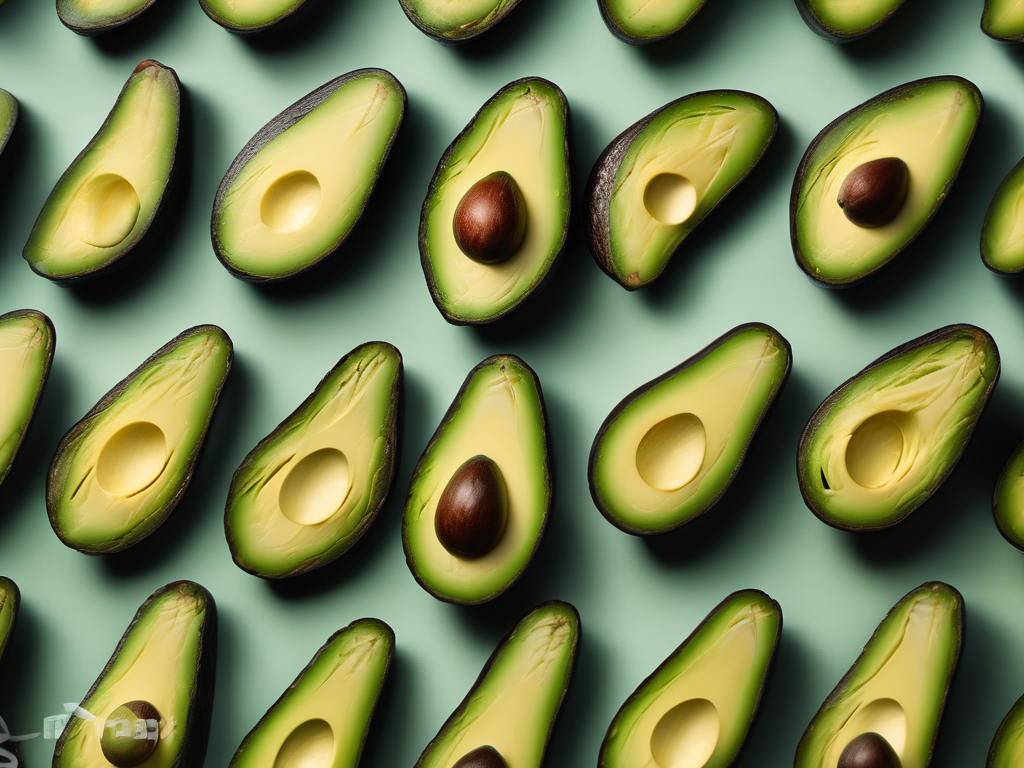
Signs that an Avocado has Gone Bad
The Ultimate Guide to Avocado Oil Expiration, Signs of Spoiled Avocado, and Proper Storage
Avocado oil is a popular cooking oil known for its nutritional quality and rich flavor. Similarly, avocados are versatile fruits that can be enjoyed in various dishes. In this comprehensive guide, we will explore everything you need to know about avocado oil expiration, signs that indicate an avocado has gone bad, and proper storage techniques to maximize freshness and quality.
Understanding Avocado Oil Expiration
Does Avocado Oil Expire?
Avocado oil, like other oils, can go bad over time. While it does not necessarily "expire" like perishable foods, it can become rancid, losing its flavor and nutritional value. Several factors can influence the shelf life of avocado oil:
- Exposure to Light: Avocado oil should be stored in a dark bottle or container to prevent oxidation.
- Temperature: Keep avocado oil in a cool, dark place away from heat sources.
- Air Exposure: Seal the container tightly to minimize air contact.
- Quality of Oil: The processing and filtering of avocado oil can impact its shelf life.
Signs of Expired Avocado Oil
To determine if your avocado oil has gone bad, look out for these signs:
Proper airflow and humidity control can significantly extend produce freshness. Many households use produce storage containers (Amazon) in the refrigerator to regulate moisture and slow spoilage.
- Off Odor: Rancid avocado oil may have a strong, unpleasant smell.
- Change in Color: Fresh avocado oil is typically green but may turn darker when spoiled.
- Off Taste: Rancid oil will have a bitter or unpleasant taste.
How to Select a Ripe Avocado
Before discussing signs of spoilage, it's essential to know how to choose a ripe avocado:
- Color: Ripe avocados have dark green to almost black skin.
- Texture: Slightly yield to pressure but not mushy when gently squeezed.
- Stem: A green stem indicates ripeness.
- Smell: Ripe avocados have a mild, nutty aroma.
Signs of Spoiled Avocado
Avocados can spoil quickly if not stored properly. Signs of a bad avocado include:
- Mold: Mold growth on the skin.
- Discoloration: Brown or black spots on the flesh.
- Wrinkled Skin: Shriveled skin indicates spoilage.
- Mushy Texture: Overly soft texture.
- Off Odor: Foul or fermented smell.
Proper Storage Tips for Avocado Oil and Avocados
Storage Tips for Avocado Oil
- Store in a Cool, Dark Place: Away from heat and light sources.
- Minimize Air Exposure: Seal the container tightly.
- Use Freshly Purchased Oil: Check the expiry date and buy in small quantities.
Storage Tips for Avocados
- Room Temperature: Allow unripe avocados to ripen at room temperature.
- Refrigeration: Move ripe avocados to the refrigerator.
- Use Lemon Juice: Prevent browning by sprinkling lemon juice on cut avocados.
Conclusion
In conclusion, understanding avocado oil expiration, recognizing signs of spoiled avocados, and following proper storage practices are essential for maintaining freshness and quality. By storing avocado oil in a cool, dark place, sealing it tightly, and conducting regular smell and taste tests, you can ensure its longevity. Similarly, storing avocados correctly, inspecting them for spoilage, and using them promptly can help you enjoy fresh and nutritious avocados in your meals.
Keeping produce organized can improve air circulation and cooling. refrigerator organizer bins (Amazon) help reduce overcrowding and maintain consistent refrigerator temperatures.
Remember to follow these guidelines to maximize the shelf life of avocado oil and avocados, enhancing your culinary experiences. Enjoy the benefits of avocado oil and avocados while ensuring their safety and quality.
For more information on avocados, check out our article on the benefits of avocado.
Review and Credibility
This comprehensive guide on avocado oil expiration, signs of spoiled avocados, and proper storage techniques is based on expert knowledge and research in the field of food safety. The information provided offers practical tips and guidelines to help consumers make informed decisions about the freshness and quality of avocado oil and avocados.
Authoritative Food Safety References
These agencies and university labs inform every tip and health precaution we publish.
USDA FoodKeeper – Cold Storage Guidelines
Official refrigerator, freezer, and pantry timelines maintained by the U.S. Department of Agriculture.
Visit USDA FoodKeeperFDA Produce Safety Rule & Grower Guidance
Field-to-fridge handling practices that prevent contamination of fruits, vegetables, and leafy greens.
Visit FDA Produce SafetyCDC Foodborne Illness Prevention Hub
Surveillance-backed guidance on pathogens, symptoms, and steps to reduce foodborne illness risk.
Visit CDC Food SafetyUC Davis Postharvest Technology Center
University research detailing optimal storage atmospheres for produce after harvest.
Visit UC Davis PostharvestPenn State Extension – Home Food Preservation & Safety
Peer-reviewed extension bulletins on safe canning, chilling, and reheating practices.
Visit Penn State ExtensionFrequently Asked Questions
How can I tell if an avocado is bad?
Can I still eat an avocado if it has brown spots?
How should I store avocados to prevent them from going bad?
Can I freeze avocados to preserve them?
Citations
Disclosure: As an Amazon Associate, we earn from qualifying purchases. This helps support our site and allows us to continue providing free food safety information.