USDAOfficial guidance
USDA FoodKeeper – Cold Storage Guidelines
Official refrigerator, freezer, and pantry timelines maintained by the U.S. Department of Agriculture.
Visit USDA FoodKeeperLast reviewed: January 2026
Reviewed by the Can I Eat Expired Editorial Team using official USDA, FDA, and CDC food safety guidance. How we assess food safety risk
May be safe if properly stored and showing no spoilage signs. Check carefully before consuming.
⏱️ Safe for up to 1 day after expiry if properly stored and showing no spoilage signs.
Storage conditions, initial freshness, and potential contamination change the answer — and those details are easy to miss.
Get a yes / no answer for your avocado →
Check Your Exact Situation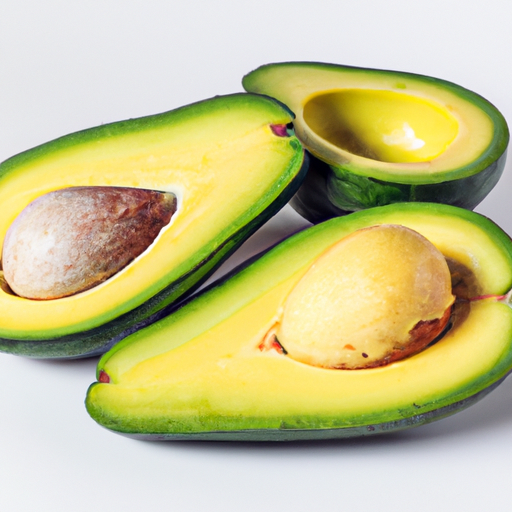
Fridge
45-55°F (7-13°C)
Wrap in paper towel and store in a sealed container
Proper airflow and humidity control can extend produce freshness. Using produce storage containers (Amazon) in the refrigerator helps regulate moisture and slow spoilage.
4 days
Mold, mushy texture, off smell
Guacamole, salads, smoothies
Mashed peas or hummus
Hey there! So, when it comes to avocados, it's good to understand the difference between expiration dates and best quality. The expiration date on avocados typically indicates when it's safe to eat them before the quality starts to decline. However, avocados can still be good to eat even after the expiration date if they are not overripe or spoiled. On the other hand, the "best quality" date refers to the period when the avocado will be at its peak flavor and texture. This is usually before the expiration date. For example, if you have an avocado that is past its best quality date but still looks and smells fine, it's probably safe to eat. However, it might not taste as creamy or delicious as it would have before. Personally, if the avocado looks good and smells okay, I would still give it a try even if it's past the best quality date. Just be sure to check for any signs of spoilage like mold or a strong off smell. Trust your instincts and enjoy your avocados!
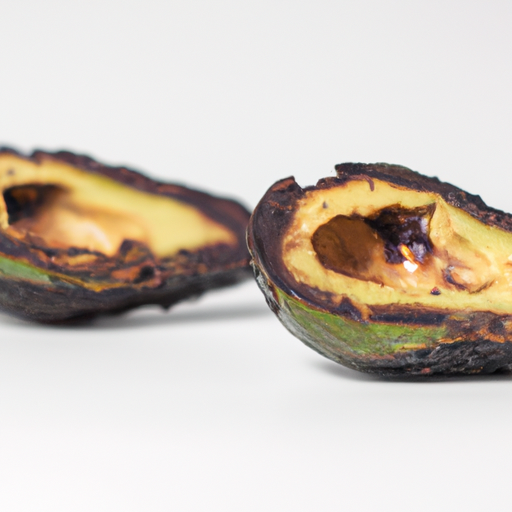
To check if an avocado has gone bad, look for dark spots, mold, or a stringy texture on the flesh. Additionally, a sour or unpleasant smell indicates spoilage. A ripe avocado should feel slightly soft when gently squeezed, while a mushy texture may suggest it is no longer fresh.
Hey there! Avocados are delicious and nutritious, but like any other food, they come with potential risks too. One common concern is the risk of foodborne illness from bacteria like Salmonella or Listeria that can be found on the skin of avocados. If not handled properly, these bacteria can cause symptoms like nausea, vomiting, and diarrhea. So, to enjoy your avocados safely, here are some practical tips: 1. Wash your hands before and after handling avocados. 2. Thoroughly wash the avocado under running water before cutting into it. 3. Use a clean knife to slice the avocado, and avoid cross-contamination with other foods. 4. Store cut avocados in the fridge to slow down bacterial growth. I personally love adding avocados to my salads and smoothies, so I always make sure to follow these safety tips to keep myself and my family safe from any potential foodborne illnesses. Stay safe and enjoy your avocados!
Hey avocado lover! Here are some top tips to keep your avocados fresh and delicious: 1. **Fridge or Counter Debate**: If your avocado is ripe and you're not ready to eat it yet, store it in the fridge to slow down the ripening process. If it's still hard, leave it on the counter to ripen. 2. **Lemon Juice Magic**: To prevent browning, sprinkle some lemon juice on the exposed flesh of a cut avocado before storing. The citric acid helps delay oxidation. 3. **Avocado Saver**: Invest in an avocado saver tool that helps keep the unused half fresh by reducing air exposure. It's a game-changer! 4. **Freezing**: You can freeze mashed avocado in an airtight container for later use in smoothies or guacamole. Just be aware that the texture may change slightly. 5. **Vacuum Seal**: Use a vacuum sealer to remove air and extend the shelf life of your avocados. These hacks have saved me many times when dealing with avocados. Experiment with these tips and see what works best for you! Enjoy your avocado adventures! 🥑
Hey there! Let's chat about avocados, the creamy green goodness that we all love. Did you know that avocados have been around for thousands of years? Yup, they were first cultivated in Central America by the Aztecs who considered them a symbol of fertility and even believed they had aphrodisiac properties! Avocados are not just delicious but also packed with nutrients like healthy fats, fiber, and vitamins. Fun fact: Avocados are actually fruits, not vegetables! They belong to the same family as cinnamon and bay laurel. How cool is that? In some cultures, like in Mexico, avocados play a significant role in traditional dishes like guacamole, tacos, and even ice cream! They are also used in beauty routines for their moisturizing properties. So next time you enjoy some avocado toast or a tasty bowl of guac, remember the rich history and cultural significance behind this versatile fruit. Enjoy your avocado adventures!
If Avocado has been left at room temperature for 8 hours, it's best to discard it to prevent potential foodborne illness. Bacteria can multiply rapidly at room temperature, increasing the risk of spoilage and contamination.
Once an Avocado is cut, it's best to consume it within a day for optimal freshness. To extend its shelf life, store the cut Avocado in an airtight container with a squeeze of lemon juice to prevent browning, and refrigerate it promptly.
The type of container used to store Avocado can impact its shelf life. Opt for airtight containers or wrap the Avocado tightly in plastic wrap to prevent air exposure, which can cause it to spoil faster. Glass or plastic containers with secure lids are ideal for maintaining freshness.
Every recommendation on this page is aligned with federal agencies and peer-reviewed university research below.
Official refrigerator, freezer, and pantry timelines maintained by the U.S. Department of Agriculture.
Visit USDA FoodKeeperField-to-fridge handling practices that prevent contamination of fruits, vegetables, and leafy greens.
Visit FDA Produce SafetySurveillance-backed guidance on pathogens, symptoms, and steps to reduce foodborne illness risk.
Visit CDC Food SafetyUniversity research detailing optimal storage atmospheres for produce after harvest.
Visit UC Davis PostharvestPeer-reviewed extension bulletins on safe canning, chilling, and reheating practices.
Visit Penn State ExtensionImportant: These are general guidelines based on authoritative sources listed above. Always use your best judgment and when in doubt, throw it out.
Disclosure: As an Amazon Associate, we earn from qualifying purchases. This helps support our site and allows us to continue providing free food safety information.