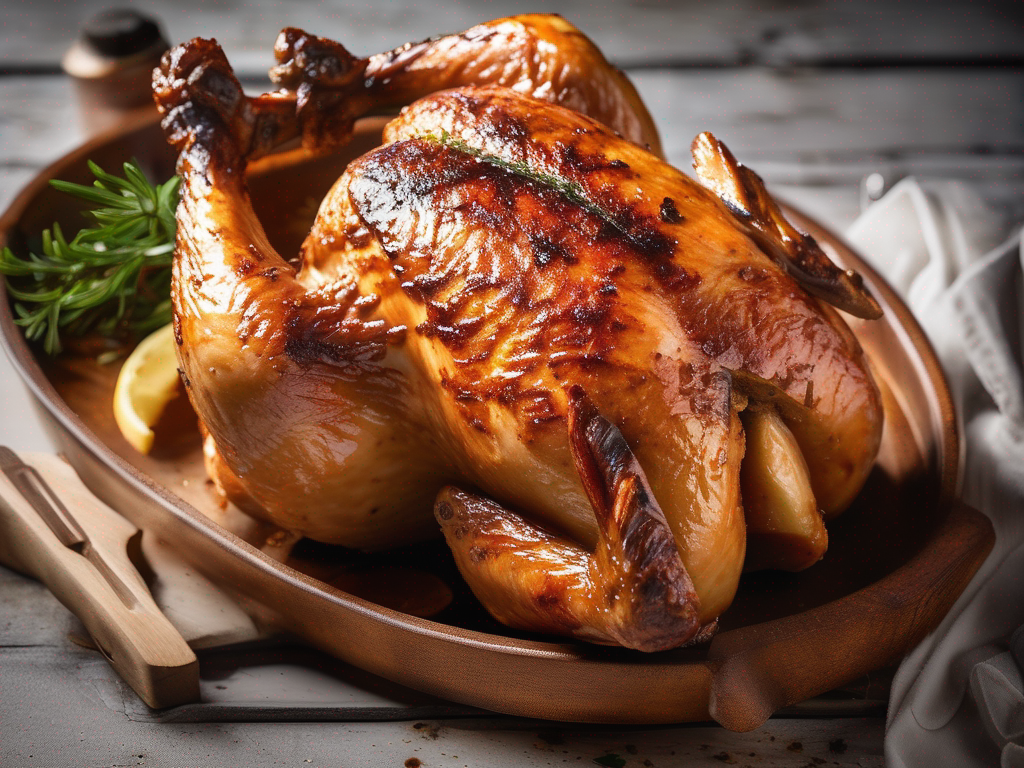
How to Tell if Chicken Whole Cooked Including Roasted Rotisserie Barbecued Has Gone Bad
How to Tell if Chicken Whole Cooked Including Roasted Rotisserie Barbecued Has Gone Bad
When it comes to cooked chicken, whether it's roasted, rotisserie, or barbecued, determining if it has gone bad is crucial for food safety. Consuming spoiled chicken can lead to foodborne illnesses, so it's essential to know the signs of spoilage. In this comprehensive guide, we will explore the best ways to tell if chicken whole cooked including roasted rotisserie barbecued has gone bad. (Chicken whole cooked including roasted rotisserie barbecued)
Signs of Spoiled Cooked Chicken
Cooked chicken can spoil just like any other type of food. While it may be more challenging to detect spoilage in cooked chicken compared to raw chicken, there are still several indicators to look out for:
1. Smell
- Foul Odor: One of the most common signs that cooked chicken has gone bad is a foul or off-putting odor. If the chicken smells sour, rancid, or generally unpleasant, it is likely spoiled.
2. Appearance
- Discoloration: Check for any changes in color. Spoiled chicken may appear gray, green, or even moldy.
- Texture: Spoiled chicken may feel slimy or sticky to the touch.
3. Taste
- Off Flavor: If the chicken tastes off or has a strange flavor, it is best to discard it.
4. Storage Conditions
- Expiration Date: If the cooked chicken has been stored past its expiration date, it is safer to discard it.
- Temperature: Cooked chicken should be stored at a safe temperature of below 40°F (4°C) to prevent bacterial growth. If the chicken has been left out at room temperature for more than 2 hours, it is best to throw it away.
5. Packaging
- Leaking or Swollen Packaging: If the packaging of the cooked chicken is leaking, swollen, or damaged, it may indicate spoilage.
Tips for Properly Storing Cooked Chicken
To extend the shelf life of cooked chicken and reduce the risk of spoilage, follow these storage tips:
Proper cooking temperatures are essential for food safety. An instant-read food thermometer (Amazon) helps ensure meat reaches safe internal temperatures and reduces the risk of foodborne illness.
- Refrigeration: Store cooked chicken in an airtight container or wrapped tightly in plastic wrap in the refrigerator.
- Freezing: If you are not planning to consume the cooked chicken within a few days, freeze it for longer storage.
- Labeling: Always label the cooked chicken with the date it was prepared to track its freshness.
- Properly Defrosting: Thaw frozen cooked chicken in the refrigerator or microwave, never at room temperature.
Conclusion
Ensuring the safety of cooked chicken, whether roasted, rotisserie, or barbecued, is essential to prevent foodborne illnesses. By being vigilant about the signs of spoilage and following proper storage practices, you can enjoy your chicken dishes safely. Remember, when in doubt, it's always best to err on the side of caution and discard any cooked chicken that shows signs of spoilage. Stay informed, stay safe, and enjoy your meals!
For more information on [chicken whole cooked including roasted rotisserie barbecued](/food/chicken whole cooked including roasted rotisserie barbecued), visit our main food section. (Chicken whole cooked including roasted rotisserie barbecued)
Authoritative Food Safety References
These agencies and university labs inform every tip and health precaution we publish.
USDA FoodKeeper – Cold Storage Guidelines
Official refrigerator, freezer, and pantry timelines maintained by the U.S. Department of Agriculture.
Visit USDA FoodKeeperFDA Produce Safety Rule & Grower Guidance
Field-to-fridge handling practices that prevent contamination of fruits, vegetables, and leafy greens.
Visit FDA Produce SafetyCDC Foodborne Illness Prevention Hub
Surveillance-backed guidance on pathogens, symptoms, and steps to reduce foodborne illness risk.
Visit CDC Food SafetyUC Davis Postharvest Technology Center
University research detailing optimal storage atmospheres for produce after harvest.
Visit UC Davis PostharvestPenn State Extension – Home Food Preservation & Safety
Peer-reviewed extension bulletins on safe canning, chilling, and reheating practices.
Visit Penn State ExtensionDisclosure: As an Amazon Associate, we earn from qualifying purchases. This helps support our site and allows us to continue providing free food safety information.